

Operation Process and Working Principle of Silica Fume Material Conveying Line
The efficient handling of silica fume, a crucial byproduct in the cement and concrete industries, relies heavily on specialized material conveying systems. These lines are designed to transport the fine, powdery material from storage silos or processing units to various application points with precision and reliability. Understanding the operation process and working principle of such systems is essential for optimizing industrial workflows and maintaining product quality.
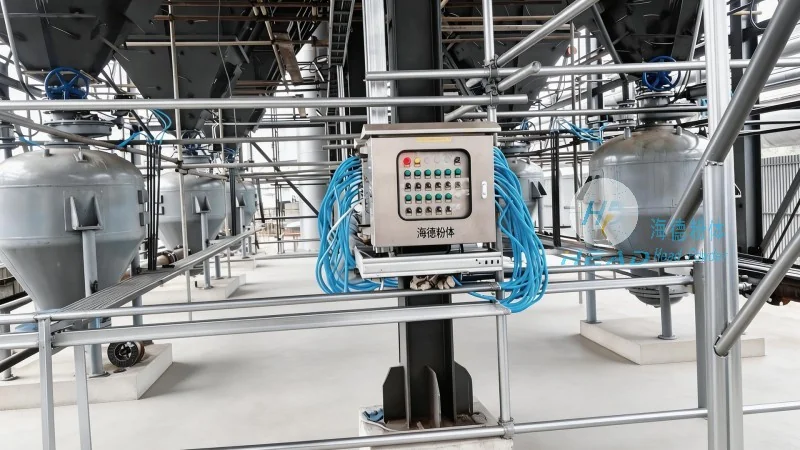
HeadPowder: A Leading Provider of Silica Fume Conveying Solutions
HeadPowder, a leading provider in the field, specializes in engineering and manufacturing advanced material conveying solutions tailored to the unique needs of silica fume handling. With a strong presence in Shandong, China, the company combines years of industry experience with cutting-edge technology to deliver robust and efficient conveying lines for clients worldwide. The company's commitment to quality and innovation has made it a trusted partner for businesses seeking reliable material handling systems.
The Operation Process of Silica Fume Material Conveying Lines
The operation process of a typical silica fume material conveying line begins with the material's storage in a silo or hopper. From there, the material is fed into a conveyor system, which may include screw conveyors, pneumatic conveying lines, or a combination of both, depending on the specific requirements. The conveying system ensures that the silica fume is transported smoothly and without degradation, maintaining its quality for downstream processes. Key components such as feeders, valves, and control systems are integrated to regulate the flow rate and direction, ensuring precise delivery to the target location. The process typically involves initial material feeding, transport through the conveyor, and final discharge at the application point, with each step carefully monitored to prevent material loss or contamination.
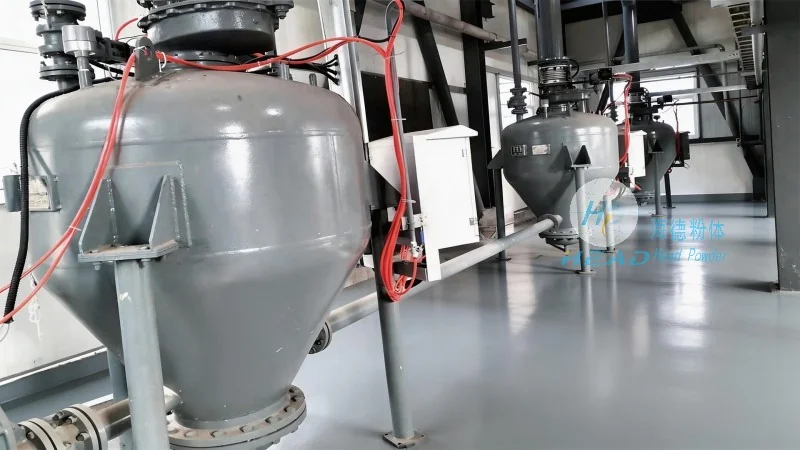
Working Principle of Silica Fume Material Conveying Systems
The working principle of these conveying lines is centered around the efficient transfer of material through mechanical or pneumatic means. Mechanical conveyors, like screw or belt conveyors, use physical force to move the material along a defined path. Pneumatic conveying, on the other hand, utilizes compressed air to create a flow that carries the silica fume through pipes. The choice of system depends on factors such as the material's characteristics, distance to be covered, and the required flow rate. Advanced control systems monitor and adjust the conveying parameters in real-time, ensuring optimal performance and minimizing downtime. For example, in pneumatic systems, the air pressure and flow rate are adjusted to match the material's density and particle size, preventing blockages and ensuring consistent transport.
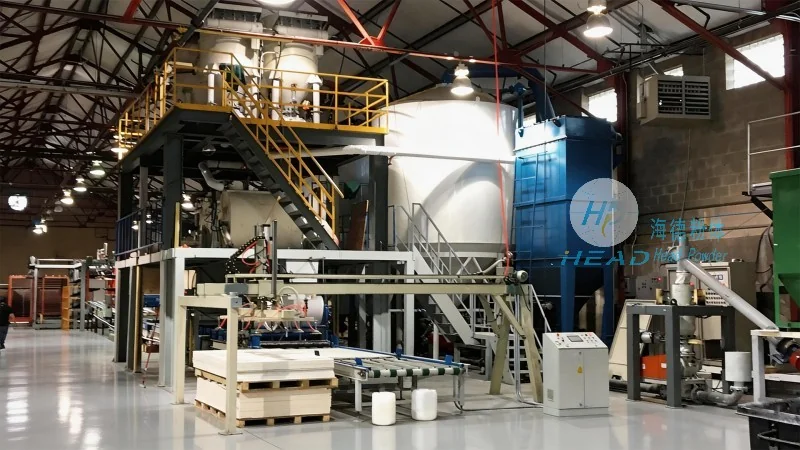
Maintenance and Efficiency Optimization
Maintaining the efficiency of silica fume material conveying lines is crucial for sustained performance. Regular maintenance, including cleaning of components, checking for wear and tear, and ensuring proper air pressure in pneumatic systems, helps prevent blockages and ensures consistent operation. The robust design of HeadPowder's conveying lines, with durable materials and reliable components, contributes to long-term reliability and low maintenance costs. Additionally, the integration of sensors and monitoring tools allows for predictive maintenance, reducing unexpected breakdowns and enhancing overall operational efficiency.
Conclusion: Enhancing Industrial Productivity with Advanced Conveying Solutions
In conclusion, the operation process and working principle of silica fume material conveying lines are critical to the smooth functioning of industrial processes. By leveraging advanced technology and expert engineering, companies like Shandong HeadPowder Engineering Co., Ltd. provide solutions that enhance material handling efficiency, reduce operational costs, and ensure product quality. Understanding these systems is key to optimizing industrial operations and achieving sustainable growth in the cement and concrete sectors. The combination of robust design, precise control, and regular maintenance ensures that silica fume is handled safely and effectively, supporting the production of high-quality concrete and other construction materials.