

Comparison of Common Silicon Micropowder Conveying Methods
When it comes to handling silicon micropowder, selecting the right conveying method is crucial for efficiency, cost-effectiveness, and product integrity. Shandong HeadPowder Engineering Co., Ltd., a leading provider in the field, offers insights into the most common methods used for transporting this fine material. This article provides a detailed comparison of these techniques, helping industrial professionals make informed decisions for their operations.
Understanding Silicon Micropowder and Conveying Challenges
Silicon micropowder, characterized by its small particle size and high surface area, presents unique challenges during transportation. These challenges include dust generation, caking, and the need for gentle handling to prevent agglomeration. Effective conveying systems must address these issues while maintaining material purity and minimizing operational costs. Shandong HeadPowder Engineering Co., Ltd. specializes in designing and implementing solutions tailored to these specific material properties.
1. Air-Pressure Conveying (Pneumatic Conveying)
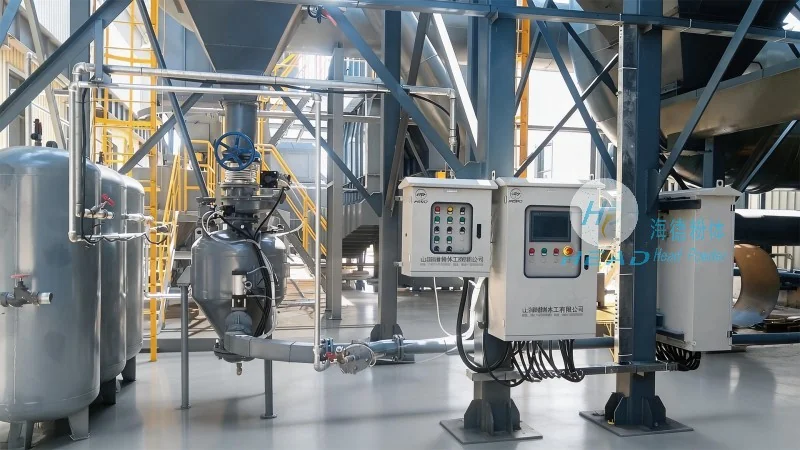
Air-pressure conveying, or pneumatic conveying, is a widely used method for transporting silicon micropowder. This technique involves using compressed air to move powder through a pipeline. There are two main types: pressure and vacuum systems. Pressure systems use positive pressure to push the material, while vacuum systems use negative pressure to pull it. The choice between these depends on factors such as distance, material characteristics, and system complexity. For silicon micropowder, pressure systems are often preferred due to their ability to handle fine powders without excessive wear on equipment. Shandong HeadPowder Engineering Co., Ltd. has extensive experience in designing pneumatic conveying systems that ensure efficient and reliable transport of silicon micropowder, minimizing particle degradation and maintaining product quality.
2. Screw Conveyors
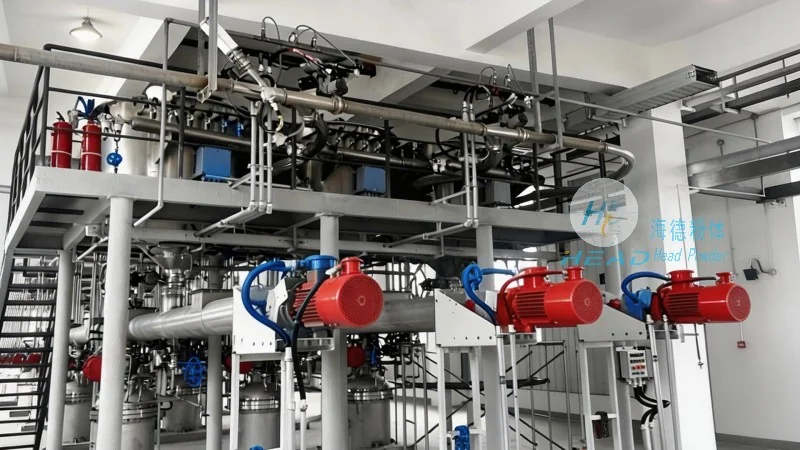
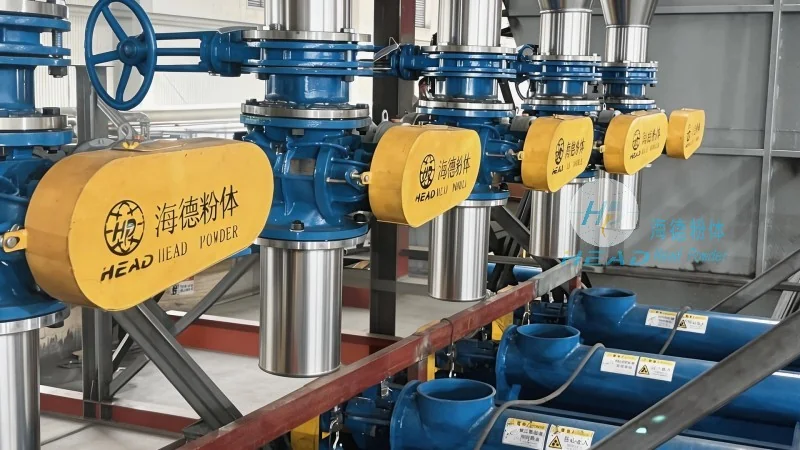
Screw conveyors, also known as auger conveyors, are another common method for transporting silicon micropowder. These systems consist of a rotating screw inside a tube, which moves material along the length of the conveyor. Screw conveyors are particularly effective for horizontal or slightly inclined transport and are suitable for handling dry, free-flowing powders. They offer advantages such as simplicity, low maintenance, and the ability to operate in enclosed systems to contain dust. However, they may not be ideal for very fine or cohesive powders, as the screw can cause friction and potential agglomeration. Shandong HeadPowder Engineering Co., Ltd. provides customized screw conveyor solutions that optimize material flow and reduce the risk of clogging, ensuring consistent performance for silicon micropowder applications.
3. Vibrating Conveyors
Vibrating conveyors use mechanical vibrations to move silicon micropowder along a trough. The conveyor bed is typically made of metal or plastic, and the vibration causes the material to move forward. This method is effective for handling bulk materials, including fine powders, and is particularly useful when dealing with sticky or cohesive powders. Vibrating conveyors can operate at various speeds and angles, allowing for flexible handling of silicon micropowder in different industrial settings. They are also known for their low energy consumption and minimal maintenance requirements. Shandong HeadPowder Engineering Co., Ltd. designs vibrating conveyors that ensure smooth material transport, preventing damage to the powder particles and maintaining their integrity throughout the conveying process.
4. Hydraulic Conveying
Hydraulic conveying, or slurry transport, involves mixing silicon micropowder with a liquid to form a slurry, which is then pumped through a pipeline. This method is suitable for high-volume transport over long distances and is often used in mining and mineral processing industries. However, it requires additional equipment for slurry preparation and separation, which can increase operational complexity and costs. For silicon micropowder, hydraulic conveying may not be the most efficient option due to the need for careful control of the liquid-to-powder ratio to avoid clogging or equipment wear. Shandong HeadPowder Engineering Co., Ltd. evaluates hydraulic conveying as a potential solution for specific applications, considering factors such as material availability and infrastructure requirements.
5. Belt Conveyors
Belt conveyors are a traditional method for transporting bulk materials, including silicon micropowder. These systems use a continuous belt that moves material from one point to another. Belt conveyors are effective for horizontal and inclined transport and can handle large volumes of material. They are particularly useful in open systems where dust containment is less critical. However, they may not be suitable for very fine powders, as the belt can cause friction and particle attrition. Additionally, belt conveyors require regular maintenance to prevent wear and tear, which can impact operational efficiency. Shandong HeadPowder Engineering Co., Ltd. offers belt conveyor solutions that optimize material handling, ensuring reliable transport of silicon micropowder while minimizing downtime and maintenance costs.
Choosing the Right Conveying Method for Silicon Micropowder
The selection of an appropriate conveying method for silicon micropowder depends on several factors, including the material's properties, the distance to be covered, the desired flow rate, and the overall system budget. Shandong HeadPowder Engineering Co., Ltd. provides comprehensive consulting services to help clients evaluate these factors and choose the most suitable method. For example, pneumatic conveying may be preferred for short distances and fine powders, while screw or vibrating conveyors might be more cost-effective for longer horizontal transport. The company's expertise in material handling ensures that clients receive tailored solutions that meet their specific operational needs and maintain the quality of silicon micropowder throughout the process.
Conclusion
In conclusion, the choice of conveying method for silicon micropowder is a critical decision that impacts operational efficiency and product quality. Shandong HeadPowder Engineering Co., Ltd. offers a range of solutions, from pneumatic and screw conveyors to vibrating and hydraulic systems, each with its own advantages and limitations. By understanding the specific requirements of silicon micropowder and leveraging the expertise of companies like Shandong HeadPowder Engineering Co., Ltd., industrial professionals can select the most effective conveying method to optimize their processes. Whether it's for short-distance transport or large-scale operations, the right conveying system ensures that silicon micropowder is handled safely, efficiently, and with minimal degradation.