

Comparison of Common Sodium Dithionite Conveying Methods
Sodium dithionite, a critical chemical widely used in various industrial processes, is handled with precision by companies like Shandong HeadPowder Engineering Co., Ltd. (commonly known as headpowder), which specializes in engineering solutions for bulk material transport. The chemical's properties, such as its hygroscopic nature and reactivity with air, necessitate specialized conveying systems to maintain its effectiveness and ensure operational safety. This article explores common sodium dithionite conveying methods, providing insights into their applications, advantages, and considerations for industrial use.
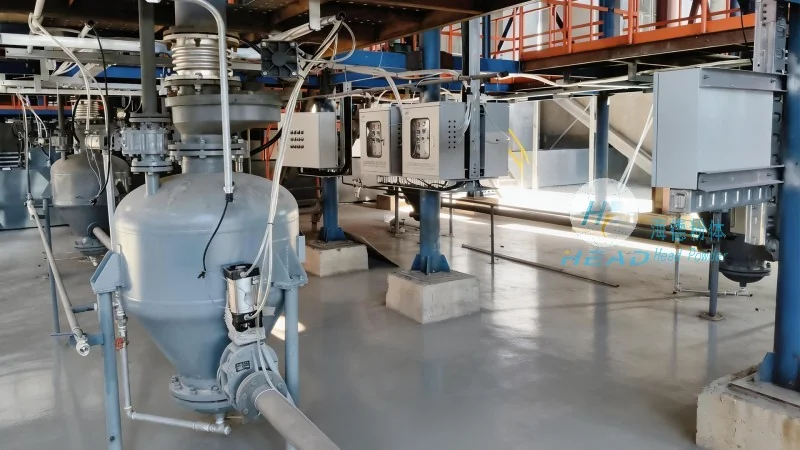
Overview of Sodium Dithionite and Its Handling Requirements
Sodium dithionite (Na₂S₂O₄) is a white crystalline powder that is hygroscopic and can react with air, leading to oxidation and loss of potency. Due to its sensitivity to moisture and oxygen, proper handling is essential to maintain its effectiveness and prevent hazards. The chemical is commonly used in industries such as pulp and paper, textile, and chemical synthesis, where it serves as a reducing agent, bleaching agent, and antioxidant. Given its reactive nature, the conveying system must be designed to minimize exposure to air and moisture, ensuring the material remains stable during transport.
Common Conveying Methods for Sodium Dithionite
Several methods are employed to transport sodium dithionite from storage to processing units. The primary options include pneumatic conveying, screw conveyors, belt conveyors, and bucket elevators. Each method has distinct characteristics that make it suitable for different operational scenarios, particularly in terms of material flow rate, distance, and environmental conditions.
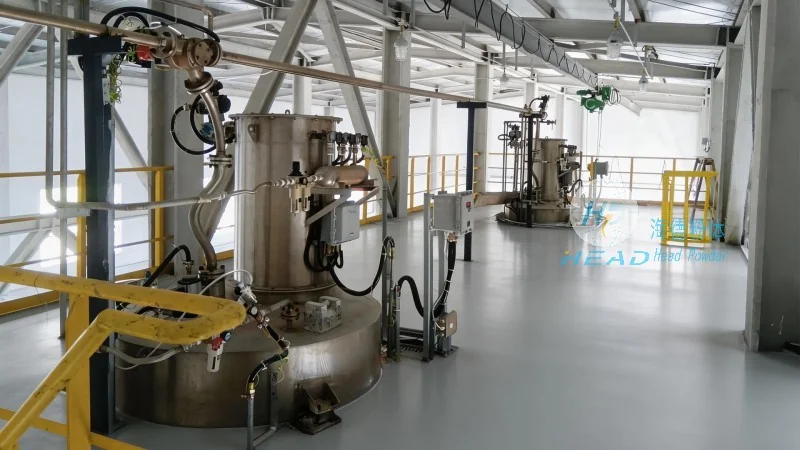
Pneumatic Conveying Systems
Pneumatic conveying, also known as air conveying, is a widely used method for transporting sodium dithionite, especially over moderate distances. This system utilizes compressed air to move the powder through a pipeline. There are two main types: pressure and vacuum systems. Pressure systems push the material with air under pressure, while vacuum systems draw the material into the pipeline using a vacuum. Pneumatic conveying offers advantages such as the ability to transport materials over long distances, the potential for multi-point delivery, and the reduction of dust exposure compared to manual handling. However, it requires careful control of air pressure and flow rates to prevent material degradation or blockages. The system also needs to be designed to handle the hygroscopic nature of sodium dithionite, often incorporating drying or moisture control measures to maintain material quality.
Screw Conveyors
Screw conveyors, also known as auger conveyors, are another common method for conveying sodium dithionite. These systems consist of a rotating screw inside a tube or trough, which moves the material forward. Screw conveyors are particularly effective for horizontal or slightly inclined transport, as they can handle a wide range of particle sizes and flow rates. They are relatively simple in design, requiring less maintenance compared to pneumatic systems. However, screw conveyors may not be suitable for long vertical lifts or high material flow rates, as they can experience wear and tear over time. Additionally, they may generate dust during operation, which necessitates proper sealing and dust collection systems to prevent contamination and environmental issues.
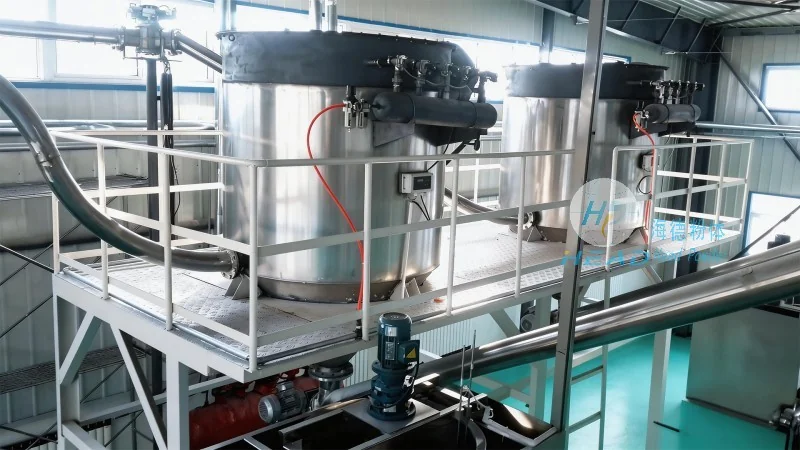
Belt Conveyors
Belt conveyors are widely used in bulk material handling, including sodium dithionite transport. These systems utilize a continuous belt that moves over rollers, transporting the material from one point to another. Belt conveyors are ideal for long horizontal distances and high volume transport, making them suitable for large-scale industrial applications. They offer advantages such as high capacity, low maintenance, and the ability to handle various material types. However, belt conveyors may not be suitable for vertical lifts or areas with limited headroom. The system must be designed to prevent material buildup or slippage on the belt, which could lead to inefficiencies or safety hazards. Proper sealing and cleaning mechanisms are also essential to maintain material purity and prevent contamination.
Bucket Elevators
Bucket elevators are vertical or inclined conveyor systems that use buckets attached to a chain or belt to lift and transport materials. These systems are particularly effective for vertical transport of sodium dithionite, especially when the material needs to be moved to elevated processing units. Bucket elevators offer advantages such as high lifting capacity, the ability to handle abrasive materials, and minimal material spillage. However, they require regular maintenance to ensure the buckets and chains are in good condition, as wear can lead to material degradation or system failure. The system must also be designed to prevent air exposure and moisture ingress, as the material is transported in enclosed buckets to maintain its quality.
Comparative Analysis of Conveying Methods
When selecting a conveying method for sodium dithionite, several factors must be considered, including the distance of transport, the required flow rate, the vertical or horizontal nature of the movement, and the environmental conditions. Pneumatic conveying is often preferred for long horizontal distances and multi-point delivery, while screw conveyors are suitable for moderate distances and horizontal transport. Belt conveyors excel in high-volume, long-distance horizontal transport, and bucket elevators are ideal for vertical lifts. Each method has its strengths and limitations, and the choice depends on the specific operational requirements and constraints of the application.
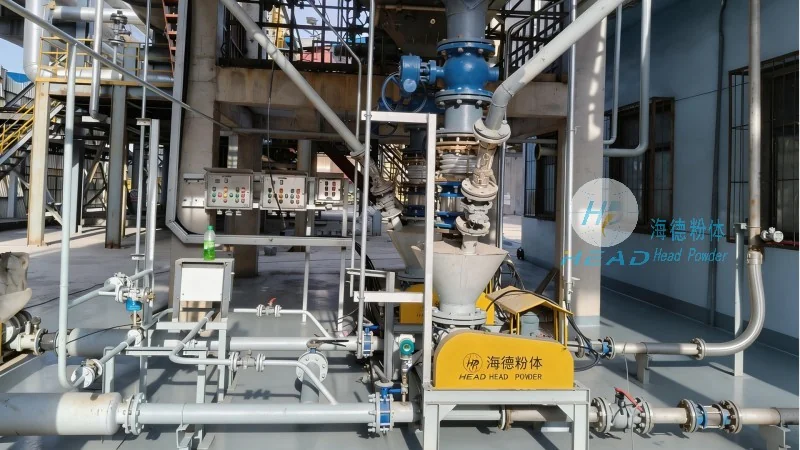
Key Considerations for Safe and Efficient Conveying
Regardless of the chosen conveying method, safety and material integrity are paramount when handling sodium dithionite. The system must be designed to minimize exposure to air and moisture, as these factors can degrade the chemical's effectiveness and pose safety risks. Proper sealing, moisture control, and ventilation are essential components of any conveying system. Additionally, regular maintenance and monitoring are necessary to ensure the system operates efficiently and safely. The use of compatible materials for the conveyor components, such as stainless steel or corrosion-resistant alloys, is also important to prevent chemical reactions that could damage the equipment or compromise material quality.
Conclusion
In conclusion, the choice of sodium dithionite conveying method significantly impacts the efficiency and safety of industrial operations. Pneumatic conveying, screw conveyors, belt conveyors, and bucket elevators each offer unique advantages and are suitable for different scenarios. By carefully evaluating the operational requirements and material characteristics, industries can select the most appropriate conveying system to ensure reliable and safe transport of sodium dithionite. The expertise of companies like Shandong HeadPowder Engineering Co., Ltd., with their focus on specialized engineering solutions, can provide valuable insights and tailored systems to meet the specific needs of sodium dithionite handling.