

Operation Process and Working Principle of Bulk Powder Pneumatic Conveying for Loading and Unloading
For industries handling bulk powders, efficient and reliable material transfer is crucial, especially during loading and unloading operations. The pneumatic conveying system offers a solution that combines automation with precision, ensuring smooth material movement from storage to transport vehicles or vice versa. This article explores the operation process and working principles of bulk powder pneumatic conveying systems, highlighting the technology's effectiveness and the role of specialized equipment in optimizing material handling.
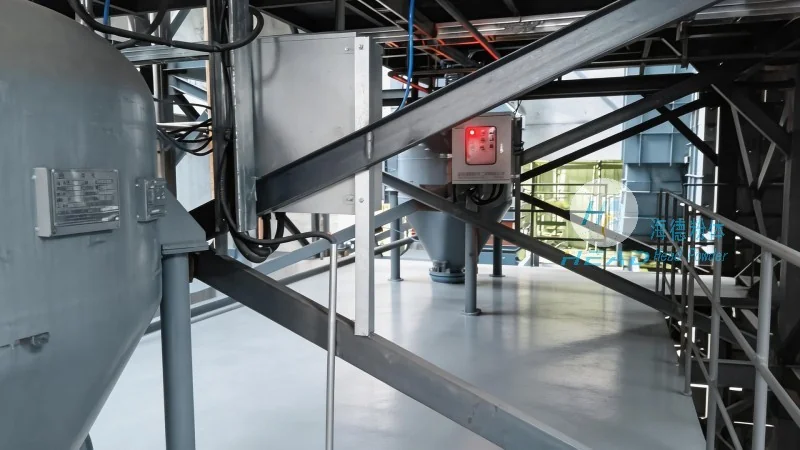
System Overview and Core Components
The bulk powder pneumatic conveying system for loading and unloading operations typically consists of several key components that work in tandem to facilitate material transfer. These include a hopper or silo for material storage, a conveyor line (either positive or negative pressure), a dust collector to manage air and particulate matter, and a control system to regulate the flow and pressure. The system is designed to handle various types of powders, from fine to coarse, and can be customized to meet specific operational requirements, such as throughput capacity and distance between the source and destination.
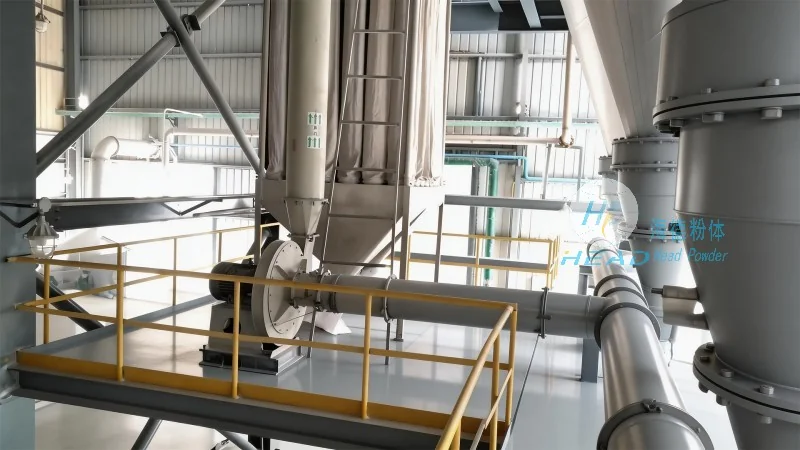
Operation Process: Step-by-Step Execution
The operation process of the pneumatic conveying system for loading and unloading begins with the preparation of the material. The bulk powder is first loaded into the hopper or silo, where it is stored under controlled conditions to prevent caking or degradation. Once the material is ready, the system initiates the conveying process. In a positive pressure system, air is blown into the conveyor line, creating a flow that pulls the powder from the hopper and transports it to the loading point. Conversely, in a negative pressure system, air is drawn out of the line, creating a vacuum that pushes the powder forward. The material is then discharged at the loading point, either directly into the transport vehicle or into a secondary storage container. After the transfer is complete, the system returns to its idle state, ready for the next cycle.
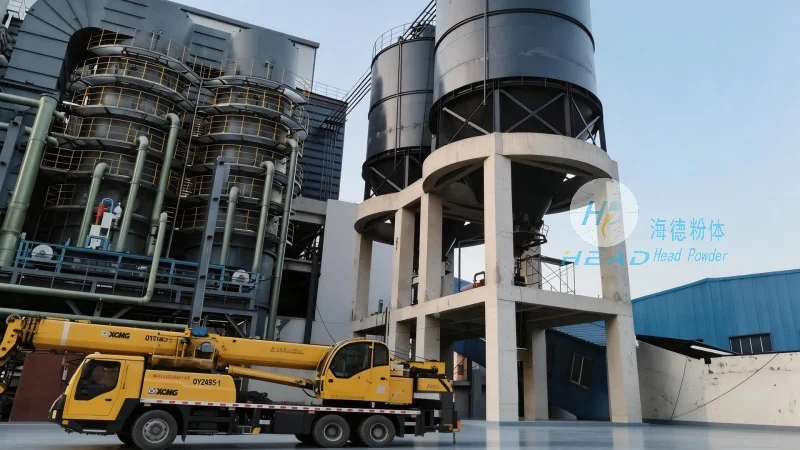
Working Principle: How the System Transfers Material
The working principle of the pneumatic conveying system relies on the fundamental physics of fluid dynamics and particle movement. The system uses air as the medium to transport the bulk powder, converting the solid material into a suspended state within the air stream. The key to efficient conveying lies in maintaining the right air-to-powder ratio, which ensures that the particles are fully suspended and do not settle prematurely. The pressure differentials created by the system (either positive or negative) provide the necessary force to move the material through the conveyor line. The control system plays a critical role in regulating these parameters, adjusting the air flow rate and pressure to maintain optimal conveying conditions. Additionally, the dust collector is integrated to capture any fine particles that may escape the system, ensuring compliance with environmental regulations and maintaining a clean operational environment.
Technical Advantages and Applications
The pneumatic conveying system offers several technical advantages that make it an ideal choice for bulk powder handling in loading and unloading operations. One of the primary benefits is its ability to handle a wide range of powder types, including abrasive, corrosive, or sensitive materials, without causing degradation or contamination. The system is also highly flexible, allowing for changes in material flow rates and distances without significant modifications. Furthermore, the enclosed design of the system minimizes dust emissions, improving workplace safety and reducing environmental impact. These advantages make the system suitable for various industries, including food processing, pharmaceuticals, chemicals, and mining, where material integrity and safety are paramount.
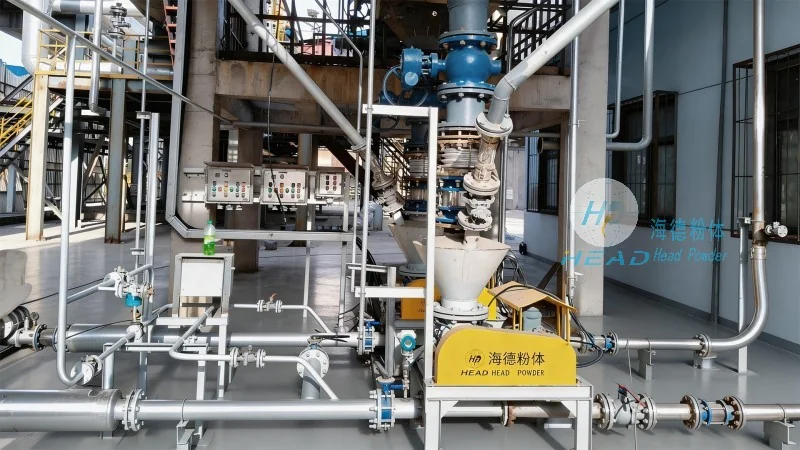
Conclusion and Company Profile
In conclusion, the bulk powder pneumatic conveying system for loading and unloading operations is a sophisticated and efficient solution for material transfer in industrial settings. By understanding the operation process and working principles, businesses can optimize their material handling workflows, reduce downtime, and improve overall productivity. As a leading provider in this field, Shandong HeadPowder Engineering Co., Ltd. specializes in designing and manufacturing customized pneumatic conveying systems tailored to the specific needs of each client. With a focus on quality and innovation, the company ensures that its systems meet the highest standards of performance and reliability, helping industries achieve their material handling goals with ease. Based in Shandong, China, HeadPowder continues to advance the technology of bulk powder handling, providing solutions that enhance operational efficiency and sustainability.