

The Operation Process and Working Principle of Fly Ash Powder Pneumatic Conveying
HeadPowder, a leading provider in the field of material handling solutions, specializes in the design, manufacturing, and implementation of advanced pneumatic conveying systems for fly ash powder. Based in Shandong, China, the company leverages its expertise to deliver efficient and reliable systems that address the unique challenges associated with transporting fly ash, a byproduct of coal combustion. This article delves into the operation process and working principle of such systems, highlighting the key components, operational mechanisms, and benefits of using pneumatic conveying for fly ash powder.
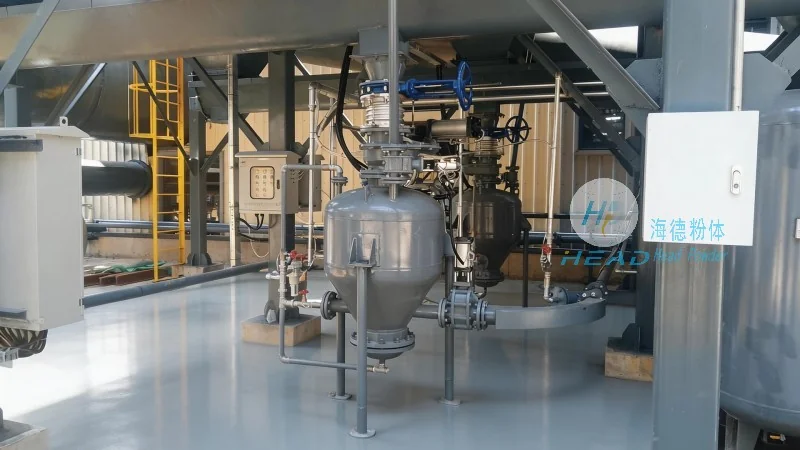
Key Components of Pneumatic Conveying Systems for Fly Ash
The pneumatic conveying system for fly ash powder typically consists of several critical components that work in tandem to ensure smooth and efficient material transport. The primary components include a hopper or storage silo for fly ash storage, a feeder to control the flow rate of the material, a conveying pipeline (often made of stainless steel or other corrosion-resistant materials to handle the abrasive nature of fly ash), a blower or compressor to generate the necessary air pressure, and a receiver or discharge unit where the fly ash is deposited. Each component plays a vital role in the overall system performance, and their proper integration is essential for optimal operation.
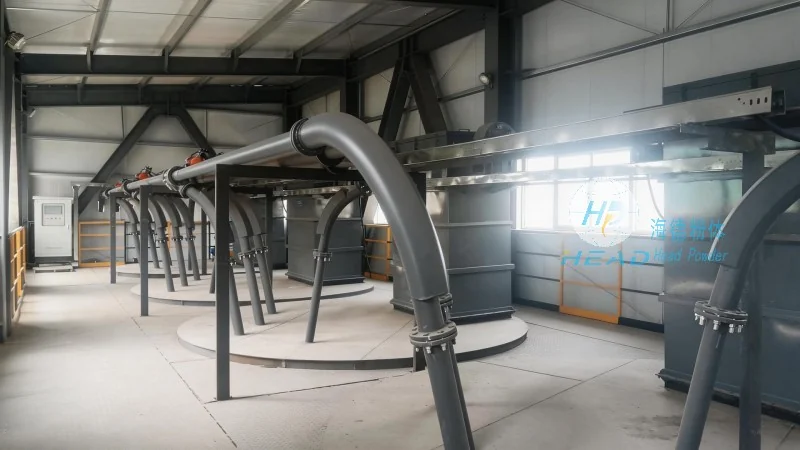
Working Principle of Pneumatic Conveying
The working principle of a pneumatic conveying system for fly ash powder is based on the use of air to transport the material through a pipeline. There are two main types of pneumatic conveying systems: pressure and vacuum systems. In a pressure system, the blower or compressor creates positive pressure within the pipeline, pushing the fly ash particles along with the air. The material is introduced into the pipeline through a feeder, and the air flow carries the particles to the discharge point. In a vacuum system, a vacuum pump creates a negative pressure, drawing the fly ash from the source into the pipeline and transporting it to the receiver. The choice between pressure and vacuum systems depends on factors such as the distance of transport, the volume of material to be conveyed, and the specific application requirements.
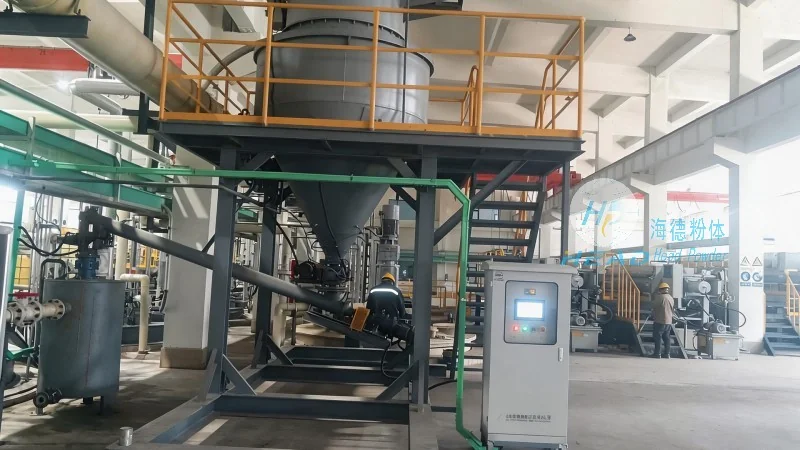
Operation Process of Fly Ash Powder Pneumatic Conveying
The operation process of a fly ash powder pneumatic conveying system involves several sequential steps that ensure the material is transported safely and efficiently. The process begins with the storage of fly ash in a hopper or silo. The feeder then regulates the flow of fly ash into the conveying pipeline, controlling the quantity and rate of material being fed. The blower or compressor generates the necessary air pressure or vacuum, which propels the fly ash particles through the pipeline. As the material travels through the pipeline, it is mixed with the air, forming a slurry-like flow. The pipeline is designed with appropriate bends and fittings to guide the material to the discharge point without causing blockages or excessive pressure drops. At the receiving end, the fly ash is separated from the air, typically through a cyclone separator or a filter, and collected in a storage container. The air, now free of fly ash particles, is either recirculated back into the system or vented to the atmosphere, depending on the system design.
Benefits and Advantages of Pneumatic Conveying for Fly Ash
Implementing a pneumatic conveying system for fly ash powder offers several significant benefits over traditional methods such as belt conveyors or screw conveyors. One of the primary advantages is the ability to transport fly ash in a dust-free environment, reducing the risk of inhalation and environmental contamination. Pneumatic systems also provide a more flexible and compact solution, as the pipeline can be routed around obstacles and installed in tight spaces. Additionally, these systems are capable of handling abrasive materials like fly ash without causing wear and tear on the equipment, thanks to the use of corrosion-resistant materials and proper maintenance. The efficiency of pneumatic conveying in terms of energy consumption and material throughput is also higher compared to other methods, making it a cost-effective solution for industrial applications.
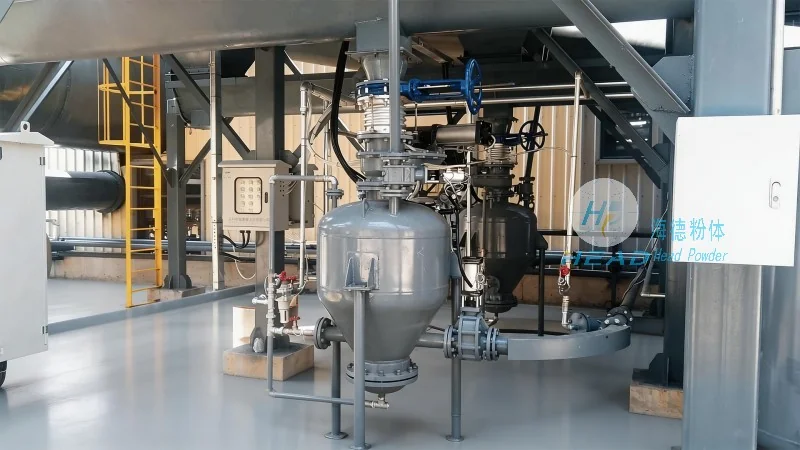
Application Examples and Case Studies
HeadPowder has successfully implemented pneumatic conveying systems for fly ash powder in various industrial settings, including power plants, cement factories, and construction material processing facilities. For instance, a large coal-fired power plant in Shandong, China, adopted a pressure pneumatic conveying system to transport fly ash from the boiler to a storage silo. The system was designed to handle a high volume of fly ash (approximately 100 tons per hour) over a distance of 200 meters. The implementation resulted in a significant reduction in dust emissions and improved material handling efficiency. Another application involved a cement plant where the system was used to convey fly ash from a storage silo to a mixing unit, ensuring a consistent and controlled feed rate for the cement production process. These case studies demonstrate the effectiveness and reliability of pneumatic conveying systems in handling fly ash powder, and how they can contribute to improved operational performance and environmental compliance.