

Operation Process and Working Principle of Gelatin Powder Pneumatic Conveying System
Understanding the operation process and working principle of a gelatin powder pneumatic conveying system is crucial for optimizing material handling in industrial applications. This system efficiently transports gelatin powder through a network of pipes using air pressure, ensuring consistent and reliable delivery. The following sections detail the key components, operational workflow, and technical aspects that define the system's functionality.
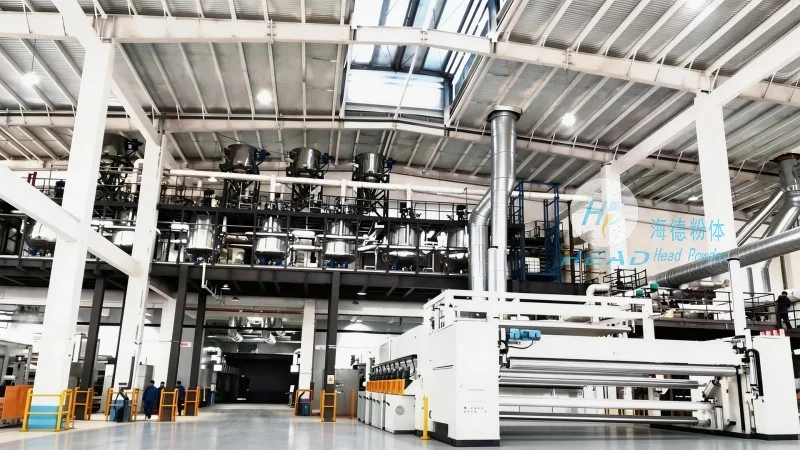
Overview of Gelatin Powder Pneumatic Conveying Systems
Gelatin powder pneumatic conveying systems are engineered to handle the unique properties of gelatin, a versatile protein-based material widely used in food, pharmaceutical, and cosmetic industries. These systems are designed to maintain the purity and integrity of the powder while minimizing contamination and degradation. The system typically comprises a hopper for material storage, a conveyor line with air injection points, and a receiving vessel. The entire setup is controlled by a system of valves, filters, and pressure regulators to ensure smooth and controlled material flow.
Working Principle of the Pneumatic Conveying System
The core working principle of a gelatin powder pneumatic conveying system relies on the use of compressed air to create a flow of material through the pipeline. When the system is activated, air is introduced into the hopper, creating a low-pressure zone that draws the gelatin powder into the conveyor line. The air and powder mixture then travels through the pipes, with the air providing the necessary kinetic energy to move the material. The system may use either positive pressure (air blowing the powder) or negative pressure (air sucking the powder) depending on the application requirements. In the case of gelatin powder, positive pressure is often preferred to prevent moisture absorption and maintain product quality.
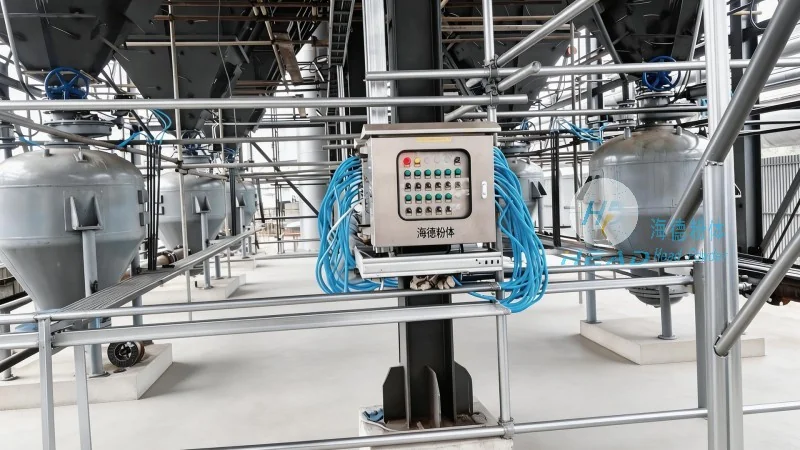
Step-by-Step Operation Process
The operation process of a gelatin powder pneumatic conveying system involves several sequential steps that ensure efficient material transport. First, the gelatin powder is loaded into the storage hopper. The hopper is equipped with a feeder that controls the flow rate of the powder into the conveyor line. Next, compressed air is supplied to the system, and the air valve is opened to initiate the conveying process. The air pressure forces the gelatin powder into the pipeline, where it is carried to the receiving vessel. The receiving vessel is typically equipped with a filter to separate any excess air from the powder, ensuring that only the gelatin powder is deposited. The system may include a vacuum or pressure relief valve to regulate the air pressure and prevent over-pressurization. Finally, the receiving vessel is emptied, and the cycle repeats.
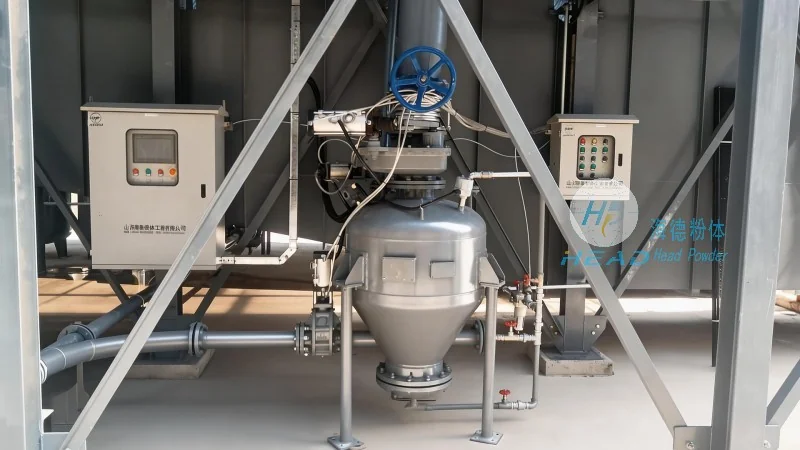
Key Components and Their Functions
Several critical components work together to ensure the smooth operation of a gelatin powder pneumatic conveying system. The storage hopper is designed to hold a large quantity of gelatin powder and is equipped with a lid to prevent contamination. The feeder, often a rotary valve or a screw feeder, regulates the flow rate of the powder into the conveyor line, preventing clogging and ensuring consistent material delivery. The conveyor line is made of materials resistant to gelatin powder, such as stainless steel or food-grade plastic, to avoid chemical reactions or contamination. The air injection points are strategically placed along the conveyor line to maintain a consistent air-powder ratio, which is essential for efficient conveying. The receiving vessel is designed to collect the gelatin powder and may include a discharge valve to control the release of the material. Filters and separators are used to remove any air bubbles or impurities from the powder, ensuring a clean product.
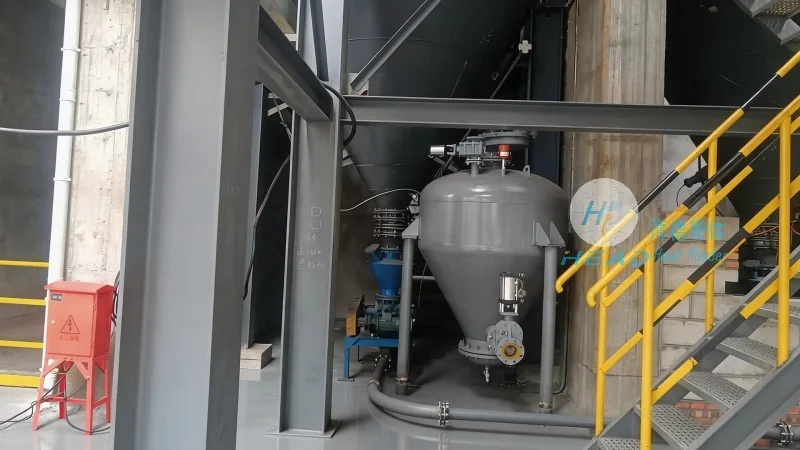
Benefits of Using a Gelatin Powder Pneumatic Conveying System
Implementing a gelatin powder pneumatic conveying system offers several advantages for industrial operations. First, it provides a clean and hygienic method of transporting gelatin powder, which is critical in food and pharmaceutical applications where contamination must be minimized. The system eliminates the need for manual handling, reducing the risk of product contamination and improving workplace safety. Additionally, the system is highly efficient, with minimal material loss and reduced downtime compared to traditional conveying methods. The ability to control the flow rate and pressure allows for precise material delivery, ensuring consistent product quality. The system also occupies less space compared to traditional bulk handling equipment, making it ideal for facilities with limited floor space.
Company Overview: Shandong HeadPowder Engineering Co., Ltd.
Shandong HeadPowder Engineering Co., Ltd., operating under the brand name headpowder, is a leading manufacturer of specialized material handling systems, including gelatin powder pneumatic conveying systems. The company is headquartered in Shandong, China, and has a strong reputation for delivering high-quality, reliable equipment tailored to the unique needs of industrial clients. With years of experience in the industry, headpowder has developed a deep understanding of material properties and operational requirements, enabling them to design systems that optimize performance and efficiency. The company's commitment to innovation and customer satisfaction has made it a trusted partner for businesses in the food, pharmaceutical, and cosmetic sectors. Headpowder's systems are engineered to meet international standards and are backed by comprehensive technical support and after-sales service, ensuring that clients receive the best possible solution for their material handling needs.