

Operation Process and Working Principle of Coffee Powder Pneumatic Conveying Systems
HeadPowder, a leading engineering company based in Shandong, China, specializes in the design, manufacturing, and installation of advanced pneumatic conveying systems for various industrial applications. This article provides a detailed overview of the operation process and working principle of coffee powder pneumatic conveying systems, highlighting the technical aspects and practical applications of this efficient material handling solution.
Overview of Coffee Powder Pneumatic Conveying Systems
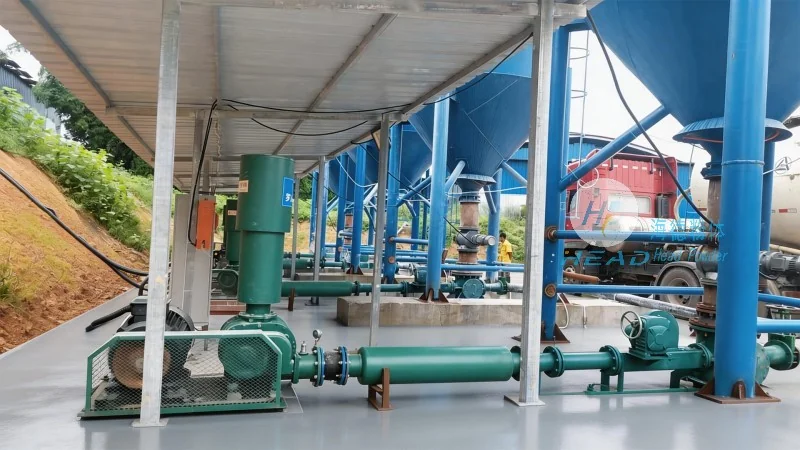
Coffee powder pneumatic conveying systems are engineered to transport fine coffee powders from storage silos or processing units to packaging lines or other destinations. These systems utilize compressed air or other gases to move the powder through a network of pipes, ensuring a clean, dust-free, and efficient transfer process. The design of such systems is critical to maintaining the quality and integrity of the coffee powder, which is sensitive to moisture, temperature, and contamination.
Operation Process of Coffee Powder Pneumatic Conveying Systems
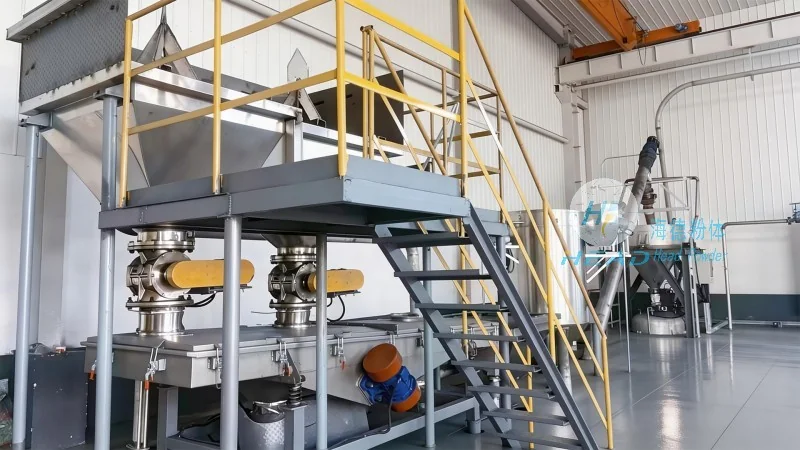
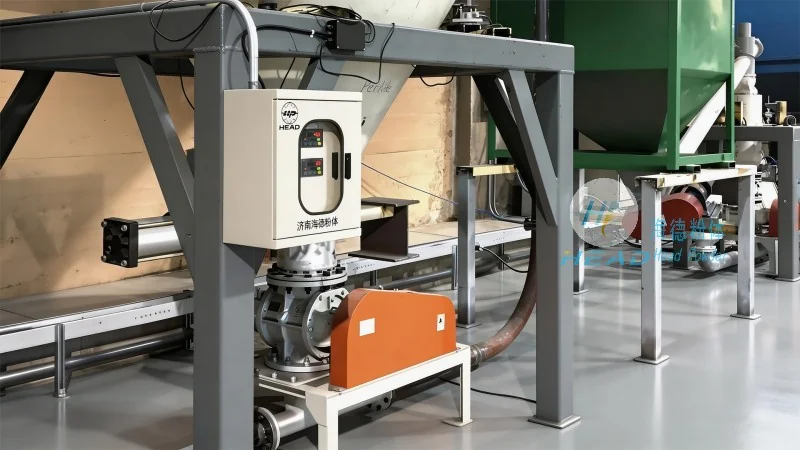
The operation process of coffee powder pneumatic conveying systems involves several key steps. Initially, the coffee powder is stored in a hopper or silo, where it is fed into the system via a rotary valve or feeder. The feeder then meters the powder into the conveying line, ensuring a consistent flow rate. Compressed air, typically supplied by an air compressor, is introduced into the conveying line at a controlled pressure. The air and powder mixture travels through the pipes, with the air providing the necessary force to move the powder. The system may include components such as filters, cyclones, and receivers to separate the powder from the air and collect it at the destination. The entire process is automated, with sensors and control systems monitoring pressure, flow rate, and other parameters to ensure optimal performance and prevent blockages or other issues.
Working Principle of Coffee Powder Pneumatic Conveying Systems
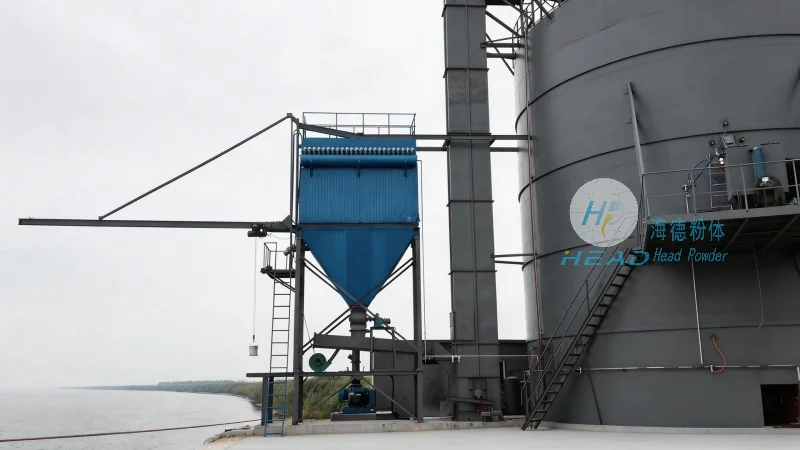
The working principle of coffee powder pneumatic conveying systems is based on the fundamental concept of fluidization and pneumatic transport. In this system, compressed air is used to create a low-density mixture of air and coffee powder particles. The air acts as a fluid medium, suspending the powder particles and allowing them to be transported through the pipes. The velocity of the air in the conveying line is maintained above the minimum fluidization velocity, which is the speed at which the powder particles are lifted and carried by the air. The system may operate in either positive pressure or negative pressure mode, depending on the application and the distance to be covered. Positive pressure systems use compressed air to push the powder through the line, while negative pressure systems use vacuum to pull the powder. The choice of operating mode depends on factors such as the distance between the source and destination, the volume of material to be transported, and the need to minimize dust emissions.
Key Components and Their Functions
Several key components are integral to the efficient operation of coffee powder pneumatic conveying systems. These include the hopper or silo for storage, rotary valves or feeders for metering the powder, air compressors or vacuum pumps for providing the necessary air or vacuum, conveying pipes, filters or cyclones for separating the powder from the air, and receivers for collecting the powder at the destination. Each component plays a crucial role in ensuring the smooth and reliable operation of the system. For example, the feeder controls the flow rate of the powder, while the filter removes any fines or moisture from the air, preventing contamination of the coffee powder. The receiver, typically a hopper or silo, stores the delivered powder until it is ready for packaging or further processing.
Advantages of Coffee Powder Pneumatic Conveying Systems
Coffee powder pneumatic conveying systems offer several advantages over traditional mechanical conveying methods. These include the ability to transport fine powders over long distances without the need for intermediate transfer points, the reduction of dust and contamination, and the maintenance of product quality. The systems are also flexible and can be easily integrated into existing production lines, allowing for seamless material handling. Additionally, pneumatic conveying systems are energy-efficient and can be designed to operate with minimal environmental impact, making them a sustainable choice for coffee processing facilities.
Applications in Coffee Processing
Coffee powder pneumatic conveying systems are widely used in various stages of coffee processing, from the initial grinding and roasting to the final packaging. In the roasting stage, the roasted coffee beans are ground into fine powder, which is then conveyed to the packaging line using a pneumatic system. The system ensures that the powder is transferred quickly and efficiently, minimizing the risk of oxidation or moisture absorption. In the packaging stage, the coffee powder is conveyed from the storage silo to the filling machines, where it is packaged into bags or containers. The use of pneumatic conveying systems in these applications helps to maintain the quality and freshness of the coffee powder, ensuring that the final product meets the highest standards.
Maintenance and Troubleshooting
Maintenance of coffee powder pneumatic conveying systems is essential to ensure their long-term performance and reliability. Regular maintenance includes cleaning the filters and cyclones, checking the air compressor or vacuum pump for proper operation, and inspecting the conveying pipes for any blockages or damage. If issues arise, such as blockages or reduced flow rates, the system may need to be inspected and repaired. Common problems include clogging of the feeder or filter, air leaks, or insufficient air pressure. By addressing these issues promptly, the system can be restored to optimal performance, minimizing downtime and ensuring consistent product quality.