

Operation Process and Working Principle of Hot Dry Ash Powder Pneumatic Conveying System
Hot dry ash powder pneumatic conveying systems are critical components in industrial processes, particularly in facilities dealing with thermal power generation and waste management. These systems efficiently transport hot, dry ash particles from ash hoppers or storage areas to disposal or utilization sites. The operation of such systems involves a series of coordinated steps that ensure safe, reliable, and efficient material handling. This article provides a detailed overview of the operation process and working principle of a hot dry ash powder pneumatic conveying system, emphasizing the technical aspects and operational efficiency.
Company Introduction
HeadPowder, a leading provider in the field of material handling and conveying solutions, is represented by Shandong HeadPowder Engineering Co., Ltd. Based in Shandong, China, the company specializes in designing, manufacturing, and implementing advanced pneumatic conveying systems tailored to meet the specific needs of industrial clients. With a strong focus on innovation and quality, HeadPowder delivers reliable solutions that enhance operational efficiency and safety in various industrial applications.
System Overview
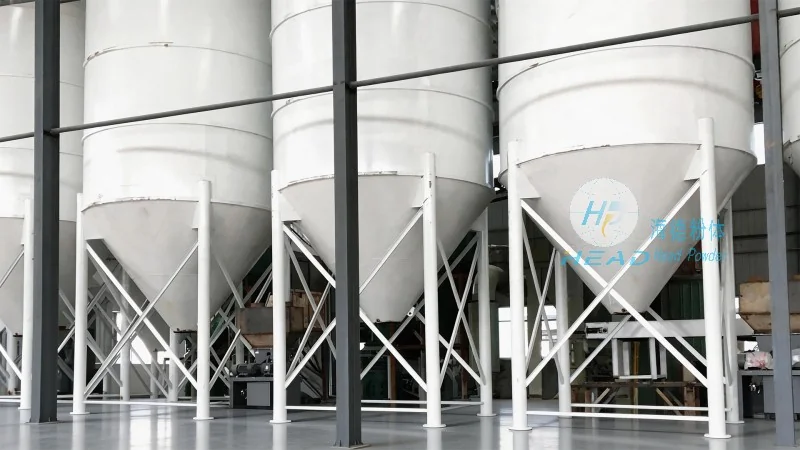
A hot dry ash powder pneumatic conveying system typically consists of several key components, including a hopper, a rotary valve, a conveying pipeline, a dust collector, and a discharge unit. The system is designed to handle hot ash particles, which can pose challenges due to their temperature and potential for dust generation. The operation process begins with the ash being discharged from the hopper into the system, where it is then conveyed through the pipeline using air pressure. The system ensures that the hot ash is transported without causing overheating or damage to the equipment, maintaining optimal performance and safety throughout the process.
Operation Process
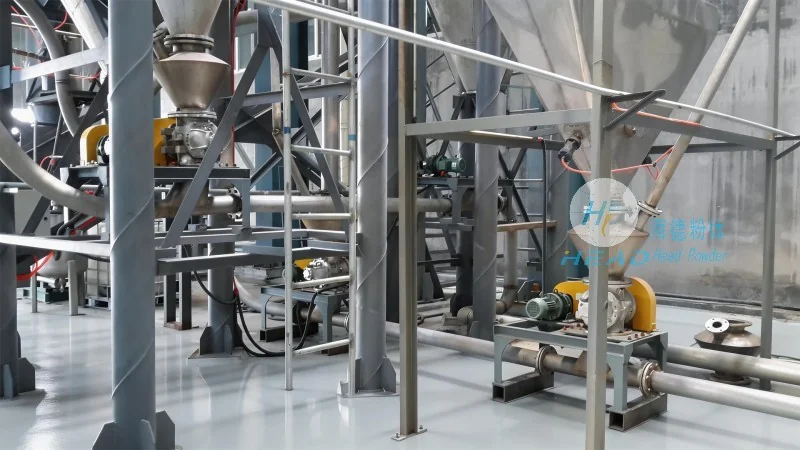
The operation process of a hot dry ash powder pneumatic conveying system involves several sequential steps. First, the ash is collected in the hopper and then fed into the system via a rotary valve, which controls the flow rate and prevents backflow. Next, the ash particles are introduced into the conveying pipeline, where they are carried by a stream of air generated by a blower or compressor. The air flow is carefully regulated to ensure that the ash particles are suspended and transported efficiently without clogging the pipeline. The conveying process continues until the ash reaches the discharge point, where it is collected and either disposed of or utilized for other purposes. Throughout the operation, the system monitors key parameters such as air pressure, flow rate, and temperature to ensure optimal performance and safety.
Working Principle
The working principle of a hot dry ash powder pneumatic conveying system is based on the use of air as the conveying medium. The system utilizes positive pressure or negative pressure (air suction) to move the ash particles through the pipeline. In positive pressure systems, a blower supplies compressed air to the pipeline, creating a pressure differential that propels the ash particles forward. The air flow is designed to be sufficient to keep the ash particles in suspension, preventing them from settling and causing blockages. The system also incorporates features such as air filters and dust collectors to manage the dust generated during the conveying process, ensuring that the air is clean and safe for the environment and personnel. The working principle is engineered to handle the unique characteristics of hot dry ash, including its high temperature and potential for abrasiveness, by using materials and components that can withstand these conditions.
Key Components and Their Functions
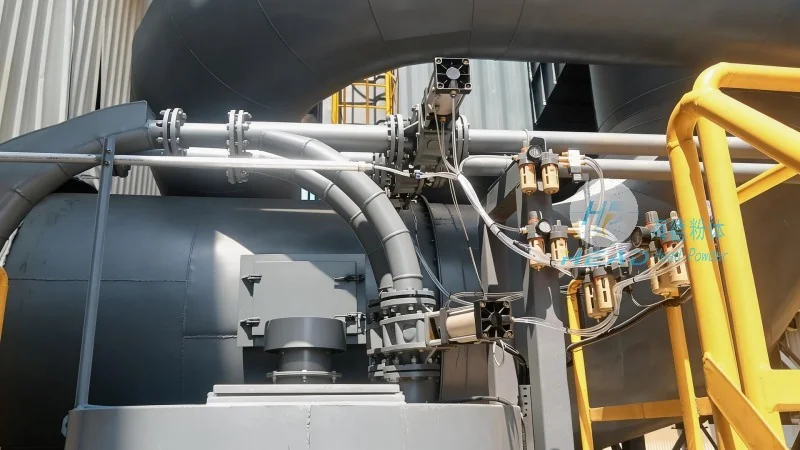
Several critical components contribute to the effective operation of a hot dry ash powder pneumatic conveying system. The hopper serves as the storage and feeding unit, where ash is collected and prepared for transport. The rotary valve acts as a control device, regulating the flow of ash into the system and preventing backflow. The conveying pipeline is typically made of durable materials, such as stainless steel or high-temperature resistant alloys, to withstand the hot ash and air flow. The blower or compressor provides the necessary air pressure to move the ash particles through the pipeline. The dust collector is essential for capturing and filtering the dust generated during the conveying process, ensuring that the air is clean and safe. The discharge unit collects the ash at the end of the pipeline and prepares it for disposal or further processing. Each component is designed to work in harmony, ensuring the smooth and efficient operation of the entire system.
Advantages and Applications
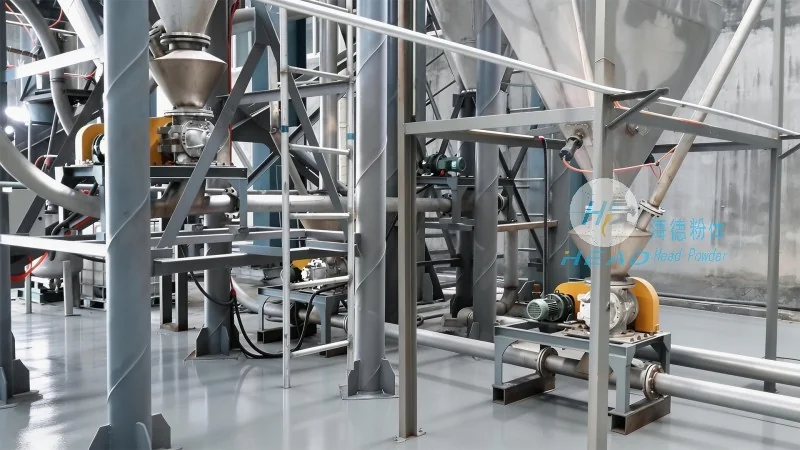
Hot dry ash powder pneumatic conveying systems offer several advantages over traditional methods of ash handling, such as manual or mechanical conveying. These systems provide a safe and efficient means of transporting hot ash, reducing the risk of accidents and improving operational efficiency. The systems are also flexible and can be customized to meet the specific requirements of different industrial applications, including power plants, waste management facilities, and industrial processing plants. The use of pneumatic conveying reduces the need for manual handling, minimizing the risk of injury and improving workplace safety. Additionally, the systems can be integrated with other equipment, such as dust collectors and ash utilization systems, to enhance overall efficiency and reduce environmental impact.
Conclusion
In conclusion, the operation process and working principle of a hot dry ash powder pneumatic conveying system are complex but essential for efficient industrial material handling. The system, provided by companies like Shandong HeadPowder Engineering Co., Ltd., utilizes advanced technology and engineering to transport hot dry ash safely and reliably. By understanding the operation process and working principle, industrial clients can make informed decisions about implementing such systems, ensuring optimal performance and safety in their operations. The continued development and improvement of these systems will further enhance their efficiency and effectiveness in various industrial applications.