

Operation Process and Working Principle of Cobalt Hydroxide Powder Pneumatic Conveying System
HeadPowder, a leading manufacturer in the field of powder handling technology, specializes in the design and implementation of advanced pneumatic conveying systems for cobalt hydroxide powders. Based in Shandong, China, the company leverages its expertise to deliver efficient and reliable solutions tailored to the specific needs of the battery materials industry. This article provides a detailed overview of the operation process and working principle of a typical cobalt hydroxide powder pneumatic conveying system, highlighting the key components, operational steps, and technical considerations.
System Overview and Key Components
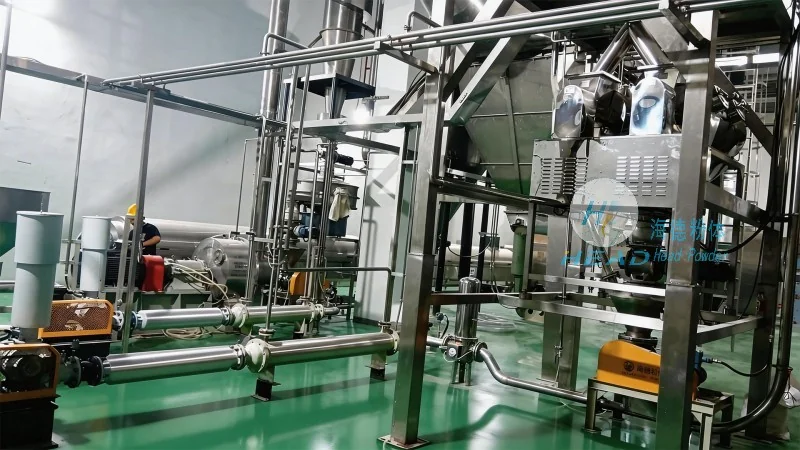
The cobalt hydroxide powder pneumatic conveying system is engineered to transport fine powders such as cobalt hydroxide from a storage silo or hopper to a processing unit, such as a mixer or reactor, using air as the conveying medium. The system typically consists of several critical components, including a dust collector, a rotary airlock valve, a conveying pipeline, a pressure vessel or receiver, and a blower or fan. Each component plays a vital role in ensuring the smooth and efficient movement of the powder while maintaining system integrity and safety.
Operation Process: Step-by-Step Execution
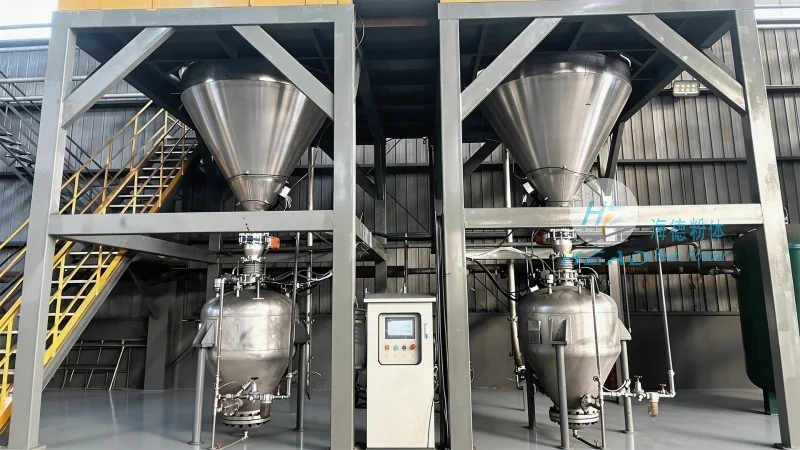
The operation of the cobalt hydroxide powder pneumatic conveying system follows a systematic sequence to ensure optimal performance. The process begins with the preparation phase, where the system is checked for proper functionality, including air pressure, valve positions, and the condition of the conveying line. Once the system is confirmed to be in good working order, the blower is activated to generate the necessary airflow. The rotary airlock valve at the discharge end of the storage silo is then opened, allowing the cobalt hydroxide powder to be drawn into the conveying pipeline by the induced airflow. As the powder travels through the pipeline, it is suspended and transported to the receiving vessel or processing unit. The system maintains a consistent airflow and pressure to prevent blockages and ensure uniform powder flow. At the receiving end, the powder is deposited into the target container, and the rotary airlock valve closes to prevent backflow. The blower is then shut down, and the system returns to a standby mode until the next operation cycle.
Working Principle: The Physics Behind Pneumatic Conveying
The core principle of the pneumatic conveying system is the use of air to create a flow that transports the powder particles. There are two primary modes of pneumatic conveying: positive pressure and negative pressure (or suction). In the case of cobalt hydroxide powders, positive pressure systems are commonly employed due to their ability to handle high volumes and provide better control over the conveying process. The blower generates a high-pressure air stream that pushes the powder particles through the pipeline. The air velocity must be sufficient to keep the powder particles suspended and prevent them from settling or clogging the line. The system's design, including the diameter and length of the pipeline, the type of airlock valves, and the pressure drop across the system, all contribute to the efficient transport of the powder. The dust collector is integrated into the system to capture any airborne particles, ensuring compliance with environmental regulations and maintaining a clean working environment.
Technical Considerations and System Optimization
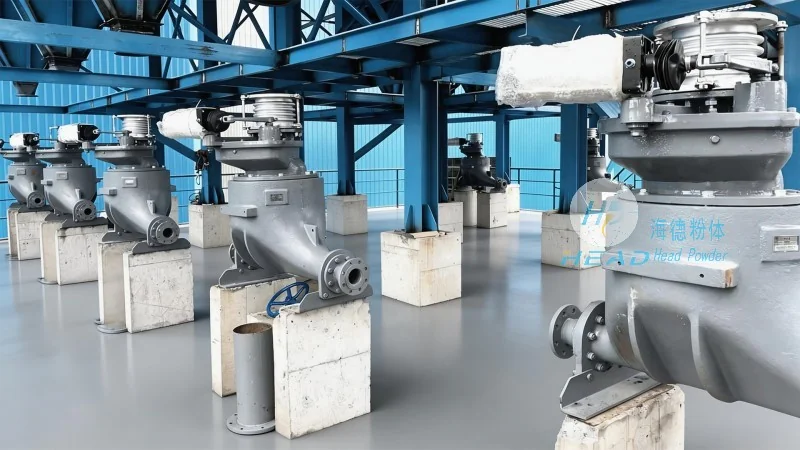
Several technical factors must be considered to optimize the performance of the cobalt hydroxide powder pneumatic conveying system. The particle size, density, and moisture content of the cobalt hydroxide powder significantly impact the conveying efficiency. Smaller particles may require higher air velocities to maintain suspension, while larger particles may need additional equipment, such as a feeder or agitator, to prevent agglomeration. The system's pressure and airflow rates are carefully calibrated to match the powder characteristics and the distance between the storage and processing units. Regular maintenance, including cleaning the dust collector, inspecting the airlock valves, and checking the blower performance, is essential to prevent system downtime and ensure long-term reliability. HeadPowder's expertise in powder handling technology allows for the customization of these systems to meet the specific requirements of clients, ensuring optimal performance and cost-effectiveness.