

Operation Process and Working Principle of Low-Pressure Powdered Material Pneumatic Conveying Equipm
HeadPowder, a leading manufacturer based in Shandong, China, specializes in the design, production, and supply of advanced low-pressure pneumatic conveying systems for handling powdered materials. This article provides a detailed overview of the operation process and working principles of such equipment, highlighting the key components, operational flow, and technical advantages that make it an efficient solution for material transport in various industrial applications.
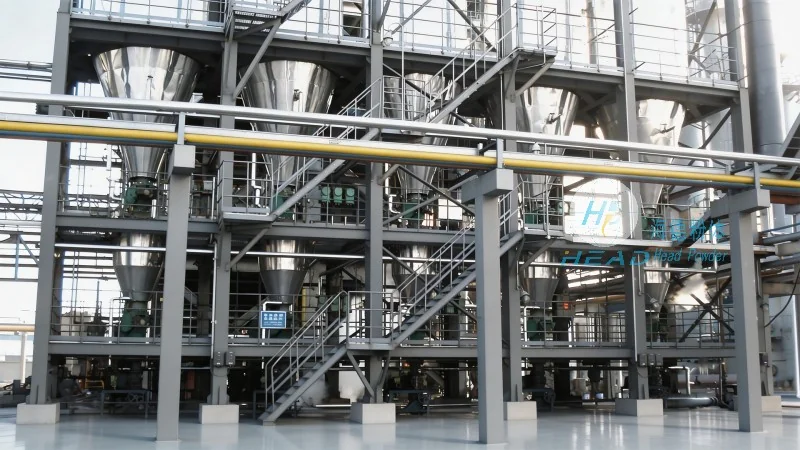
Key Components of Low-Pressure Pneumatic Conveying Systems
Low-pressure pneumatic conveying systems typically consist of several core components that work in tandem to transport powdered materials from a source to a destination. The primary components include a material feeder, a conveying line (often equipped with bends and expansion joints), a receiver or discharge hopper, and a blower or fan that generates the air flow. In addition, auxiliary components such as filters, cyclones, and pressure relief valves may be integrated to ensure safe and efficient operation. Each component plays a crucial role in maintaining the integrity of the material and the system's overall performance.
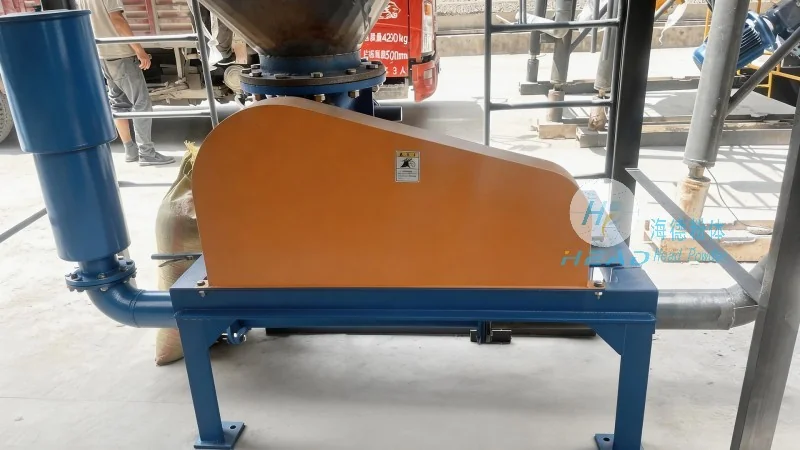
The Operation Process of Low-Pressure Pneumatic Conveying
The operation process of a low-pressure pneumatic conveying system involves several sequential steps that ensure the smooth and continuous transport of powdered materials. Initially, the material is fed into the system through a hopper or a rotary valve, which controls the flow rate and prevents material bridging or clogging. The feeder then delivers the material into the conveying line, where it is mixed with the air stream generated by the blower. As the material travels through the pipeline, it is suspended and carried by the air flow, which maintains a consistent velocity and pressure. The conveying line may include various fittings, such as elbows, tees, and expansion joints, to accommodate changes in direction and pipe diameter. Upon reaching the destination, the material is discharged into a receiver or storage tank, where it is collected and prepared for further processing. The entire process is typically automated, with sensors and control systems monitoring parameters like pressure, flow rate, and material level to ensure optimal performance and safety.
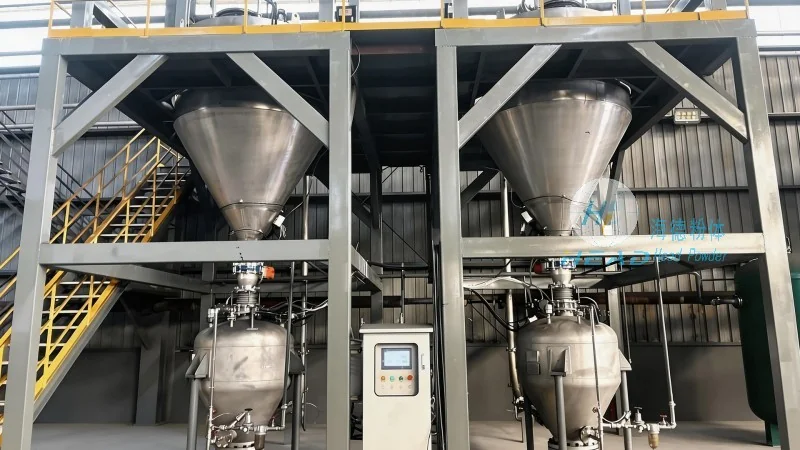
Working Principle of Low-Pressure Pneumatic Conveying
The working principle of low-pressure pneumatic conveying relies on the principle of fluidization and suspension of powdered materials in an air stream. The system operates at a relatively low pressure (usually between 0.5 to 2 bar) compared to high-pressure systems, which reduces energy consumption and equipment costs. The blower or fan creates a low-pressure air flow that enters the conveying line, and the material feeder introduces the powdered material into this air stream. The air flow then lifts and transports the material particles, keeping them suspended and preventing them from settling or clogging the pipeline. The key to efficient operation is maintaining a consistent air velocity that is sufficient to keep the material in suspension but not excessive, which would lead to excessive energy consumption or material degradation. The system's design, including the size of the conveying line, the type of fittings, and the blower's capacity, is critical in achieving optimal performance and minimizing operational issues.
Advantages of Low-Pressure Pneumatic Conveying Systems
Low-pressure pneumatic conveying systems offer several advantages over traditional material handling methods, making them a preferred choice for many industrial applications. One of the primary benefits is the ability to transport powdered materials over long distances with minimal maintenance and low energy consumption. The system is also highly flexible, as it can be easily adapted to different material types, flow rates, and operational conditions. Additionally, low-pressure systems are less prone to material degradation due to the lower air velocities and reduced impact on the material particles. The equipment is also relatively compact and can be integrated into existing facilities, reducing installation costs and space requirements. Furthermore, the system's ability to handle a wide range of materials, from fine powders to bulk materials, makes it a versatile solution for various industries, including pharmaceuticals, food processing, chemicals, and minerals.
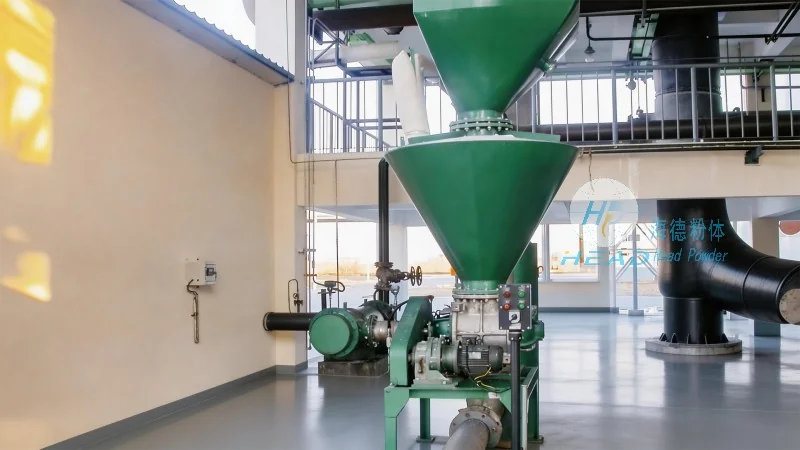
Application Examples and Industry Use Cases
Low-pressure pneumatic conveying systems are widely used in various industries to transport powdered materials efficiently and safely. For example, in the pharmaceutical industry, these systems are used to transport active pharmaceutical ingredients (APIs) and excipients from storage to production lines, ensuring contamination-free and precise material handling. In the food processing industry, they are employed to transport ingredients like flour, sugar, and spices, maintaining product quality and hygiene standards. The chemical industry utilizes low-pressure systems to handle bulk chemicals, such as powders and granules, while the minerals and mining sector uses them to transport raw materials from processing plants to storage facilities. These applications highlight the versatility and reliability of low-pressure pneumatic conveying systems in meeting the specific requirements of different industries.