

Comparison of Common Metal Particle Conveying Methods
When it comes to handling metal powders and granules in industrial settings, selecting the right conveying method is crucial for efficiency, cost-effectiveness, and product integrity. Shandong HeadPowder Engineering Co., Ltd., a leading provider of powder handling solutions, offers a range of technologies tailored to different operational needs. This article provides a detailed comparison of common metal particle conveying methods, highlighting their applications, advantages, and limitations.
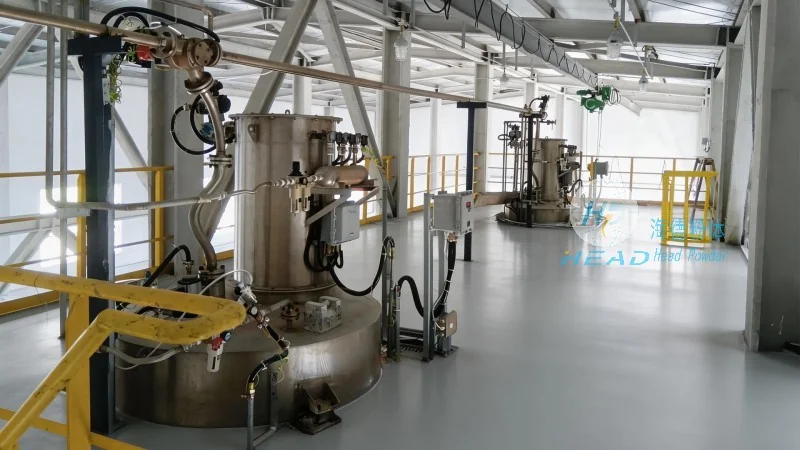
Introduction to Metal Particle Conveying
Conveying metal particles involves transporting bulk materials from one location to another within a manufacturing process. The choice of method depends on factors such as particle size, density, moisture content, and the distance to be covered. Shandong HeadPowder Engineering Co., Ltd. specializes in designing and manufacturing customized conveying systems that meet these specific requirements, ensuring optimal performance and reliability.
1. Screw Conveyors (Auger Conveyors)
Screw conveyors, also known as auger conveyors, are among the most widely used methods for conveying metal powders and granules. These systems consist of a rotating helical screw inside a trough or tube, which moves material forward through the mechanism. The design of the screw (e.g., flight type, ribbon type) and the speed of rotation are critical factors that affect the conveying capacity and material handling characteristics. For metal particles, screw conveyors are particularly effective for materials with moderate to high bulk density and relatively low abrasiveness. They are commonly used in applications like feeding raw materials to processing equipment, transporting finished products, and handling powders in the pharmaceutical and food industries. One of the key advantages of screw conveyors is their ability to operate in a closed system, which helps prevent contamination and dust emissions. However, they may not be suitable for very fine or highly abrasive powders, as this can lead to increased wear and reduced efficiency. Shandong HeadPowder Engineering Co., Ltd. offers screw conveyor systems engineered to handle various metal powders, ensuring durability and consistent performance.
2. Pneumatic Conveying Systems
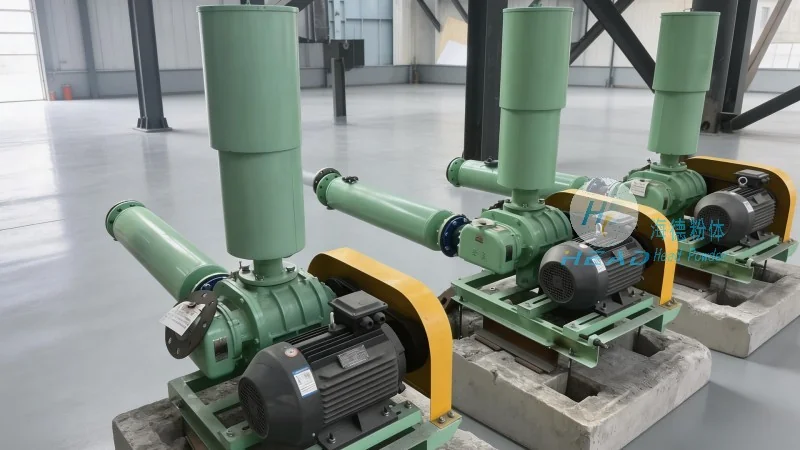
Pneumatic conveying, or air-powered conveying, uses compressed air to transport metal particles through a pipeline. This method is highly versatile and can handle a wide range of particle sizes and shapes, from fine powders to larger granules. There are two main types of pneumatic conveying systems: pressure and vacuum. Pressure systems use positive pressure to push material through the pipeline, while vacuum systems use negative pressure to pull material. The choice between these depends on the distance and layout of the conveying route. Pneumatic conveying is particularly advantageous for applications requiring dust-free and enclosed transport, as it eliminates the need for open chutes and reduces the risk of material spillage. It is commonly used in the metal powder industry for transporting raw materials to mixing and processing units, as well as for transferring finished products to packaging lines. A significant advantage of pneumatic conveying is its ability to handle materials with high moisture content or those that are prone to caking. However, it may require higher energy input compared to other methods, and the system must be properly designed to prevent blockages and maintain consistent flow. Shandong HeadPowder Engineering Co., Ltd. provides advanced pneumatic conveying solutions that ensure efficient and reliable transport of metal powders, with options for both pressure and vacuum configurations.
3. Vibratory Conveyors
Vibratory conveyors utilize vibrations to move metal particles along a trough or conveyor bed. The system consists of a vibrating motor or unbalanced weight that causes the conveyor to oscillate at a specific frequency and amplitude. This motion helps to lift and move the material forward, making it suitable for handling a variety of bulk materials, including metal powders with different flow characteristics. Vibratory conveyors are particularly effective for materials that are prone to bridging or caking, as the vibrations help break up agglomerates and maintain a consistent flow. They are commonly used in applications where gentle handling is required, such as transporting sensitive metal powders or those with low bulk density. One of the key advantages of vibratory conveyors is their low maintenance requirements and ability to operate in a closed system, which reduces dust and contamination risks. However, they may not be as efficient for long-distance conveying compared to other methods, and the design must be carefully optimized to avoid excessive wear on the conveyor components. Shandong HeadPowder Engineering Co., Ltd. offers vibratory conveyor systems tailored to the needs of metal powder handling, ensuring smooth and reliable transport with minimal downtime.

4. Belt Conveyors
Belt conveyors are another common method for transporting metal particles, especially over longer distances or in high-volume applications. These systems use a continuous belt that moves over rollers or pulleys, carrying the material from the feed point to the discharge point. Belt conveyors are highly effective for handling large quantities of metal granules or pellets, and they can be equipped with various accessories such as feeders, dividers, and elevators to enhance functionality. The choice of belt material (e.g., rubber, plastic) and the speed of the conveyor are critical factors that affect the conveying capacity and material handling characteristics. Belt conveyors are commonly used in the metal powder industry for transporting raw materials to storage silos, as well as for moving finished products to packaging or shipping areas. One of the key advantages of belt conveyors is their ability to handle high volumes of material with minimal energy input, making them cost-effective for large-scale operations. However, they may not be suitable for very fine powders, as the material can slip or fall off the belt, leading to inefficiencies. Additionally, belt conveyors require regular maintenance to ensure proper alignment and prevent belt wear. Shandong HeadPowder Engineering Co., Ltd. provides belt conveyor systems designed to handle various metal particles, with options for different belt materials and configurations to meet specific operational needs.
5. Bucket Elevators
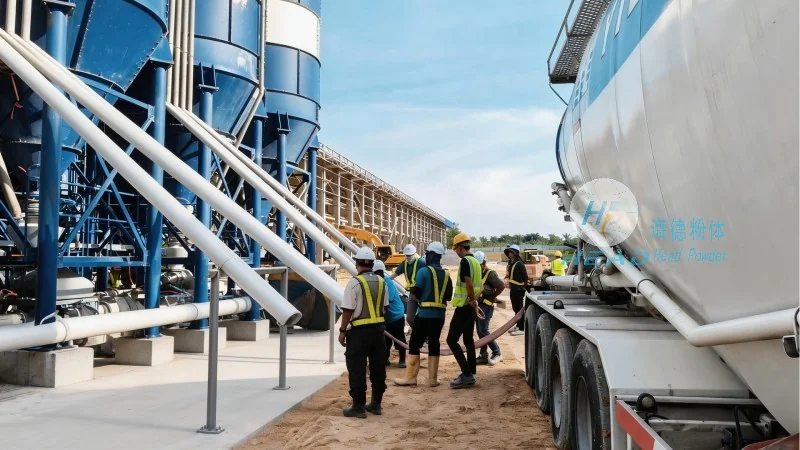
Bucket elevators are vertical or inclined conveying systems that use buckets attached to a chain or belt to transport metal particles from a lower to a higher level. The buckets are filled with material at the bottom of the conveyor and then lifted to the top, where they discharge the material into a hopper or storage bin. Bucket elevators are particularly effective for handling materials with high bulk density and those that are prone to caking or bridging, as the buckets help prevent material from sticking to the sides of the conveyor. They are commonly used in applications where vertical transport is required, such as feeding raw materials to processing equipment or transferring finished products to upper levels of a facility. One of the key advantages of bucket elevators is their ability to handle a wide range of particle sizes and shapes, including fine powders and large granules. They are also highly efficient for vertical conveying, with minimal material loss and consistent flow. However, bucket elevators may require more maintenance compared to other methods, as the buckets and chains are subject to wear and tear. Additionally, they may not be suitable for very long vertical distances or for materials that are highly abrasive. Shandong HeadPowder Engineering Co., Ltd. offers bucket elevator systems that ensure reliable vertical transport of metal powders, with durable components designed to withstand the demands of industrial applications.
Conclusion: Choosing the Right Conveying Method
Selecting the appropriate metal particle conveying method is essential for optimizing production efficiency, maintaining product quality, and reducing operational costs. Shandong HeadPowder Engineering Co., Ltd. provides comprehensive solutions tailored to the specific needs of each application, whether it involves screw conveyors, pneumatic systems, vibratory conveyors, belt conveyors, or bucket elevators. By understanding the characteristics of the metal particles being handled and the operational requirements of the process, industrial facilities can choose the most suitable conveying method to achieve their goals. With their expertise in powder handling technology, Shandong HeadPowder Engineering Co., Ltd. helps clients select and implement the right conveying systems, ensuring long-term performance and reliability in metal powder processing.