

Comparison of Common Flake Graphite Powder Conveying Methods
When it comes to handling flake graphite powder, selecting the right conveying method is crucial for efficiency, cost-effectiveness, and product integrity. As a leading manufacturer in the industry, Shandong HeadPowder Engineering Co., Ltd. specializes in providing high-quality flake graphite powder and expertise in various material handling solutions. This article provides a detailed comparison of common flake graphite powder conveying methods, helping businesses make informed decisions to optimize their operations.
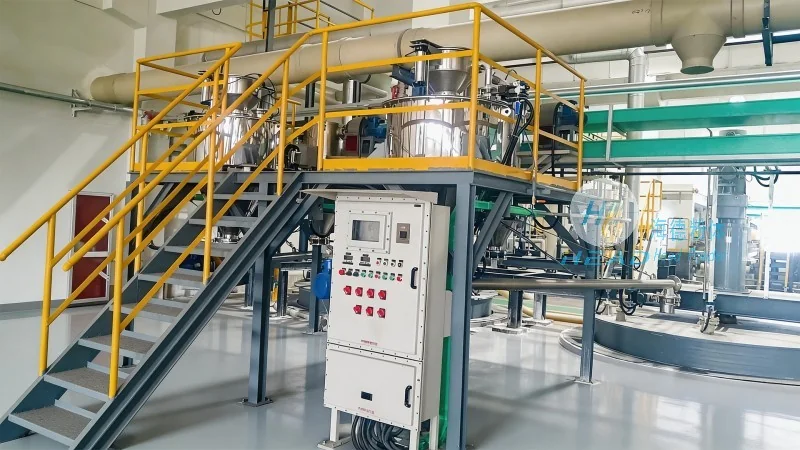
Understanding Flake Graphite Powder and Conveying Challenges
Flake graphite powder, known for its excellent lubricating properties and electrical conductivity, is widely used in industries such as refractories, batteries, and lubricants. The unique physical characteristics of flake graphite, including its fine particle size and cohesive nature, present specific challenges during transportation. Traditional methods may struggle with issues like dust generation, clogging, and material degradation. Therefore, understanding the strengths and limitations of different conveying systems is essential for selecting the most suitable approach.
Common Conveying Methods for Flake Graphite Powder
Several methods are commonly employed to transport flake graphite powder, each with distinct advantages and applications. The primary options include pneumatic conveying, mechanical conveying, and hybrid systems. Each method varies in terms of capacity, cost, and suitability for different production scales and environmental conditions.
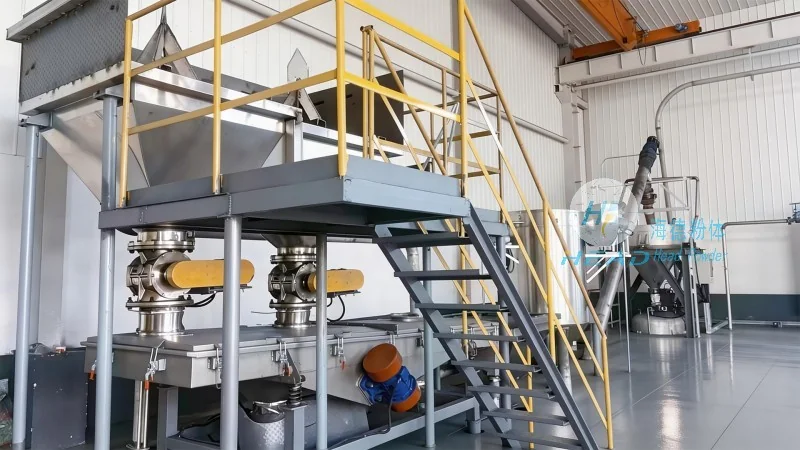
Pneumatic Conveying: Advantages and Applications
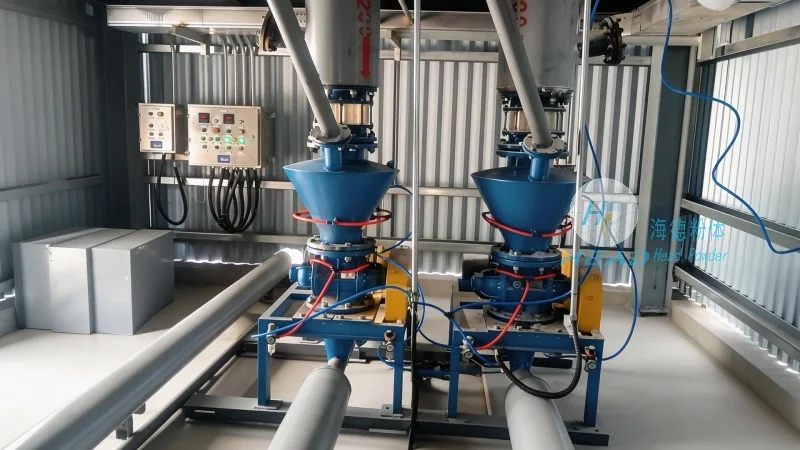
Pneumatic conveying uses air or other gases to transport material through a pipeline. This method is particularly effective for flake graphite powder due to its ability to handle fine particles and prevent product contamination. One of the key advantages of pneumatic conveying is its flexibility, as it can be easily integrated into existing production lines. The system typically consists of a hopper, a blower, and a receiver, with the material being carried by the airflow. For flake graphite powder, positive pressure systems are often preferred to minimize dust and ensure consistent flow. Positive pressure systems push air and material through the pipeline, reducing the risk of material settling or clogging. In contrast, negative pressure systems draw material into the system, which may be more suitable for applications where dust control is less critical. Shandong HeadPowder Engineering Co., Ltd. has extensive experience in designing and implementing pneumatic conveying systems tailored to the specific needs of clients, ensuring optimal performance and reliability. Our engineers consider factors such as particle size distribution, moisture content, and desired conveying distance to select the most efficient blower and pipeline configuration, minimizing energy consumption and maximizing material throughput.
Mechanical Conveying: Traditional and Reliable Solutions
Mechanical conveying methods, such as belt conveyors, screw conveyors, and bucket elevators, rely on mechanical components to move material. These systems are well-established in the industry and are often chosen for their simplicity and low maintenance costs. Belt conveyors are particularly effective for transporting larger quantities of flake graphite powder over short to medium distances. Screw conveyors are ideal for vertical or inclined transport, providing a continuous flow of material. However, mechanical conveyors may face challenges with fine particles, as they can lead to clogging and increased wear on components. Proper design and maintenance are critical to ensure smooth operation and extend the lifespan of the equipment. For example, using high-quality materials and regular lubrication can mitigate wear and tear, while proper sizing of the conveyor components can prevent clogging. Shandong HeadPowder Engineering Co., Ltd. offers mechanical conveying solutions that are engineered to handle the specific demands of flake graphite powder, ensuring consistent performance and minimal downtime.
Hybrid Conveying Systems: Combining the Best of Both Worlds
Hybrid systems combine pneumatic and mechanical conveying technologies to leverage the strengths of each method. For example, a system might use a mechanical conveyor to transport material from a storage bin to a pneumatic line, where it is then moved to the final destination. This approach allows for efficient handling of bulk quantities while maintaining the benefits of pneumatic transport, such as reduced dust and contamination. Hybrid systems are often used in large-scale production facilities where high throughput and product quality are paramount. Shandong HeadPowder Engineering Co., Ltd. specializes in designing customized hybrid conveying solutions that meet the unique requirements of each project, ensuring maximum efficiency and cost savings. Our hybrid systems can be configured to switch between mechanical and pneumatic modes based on operational needs, providing flexibility and adaptability. This capability is particularly valuable in facilities where production demands fluctuate, allowing for dynamic adjustments to maintain optimal performance.
Key Factors to Consider When Choosing a Conveying Method
When selecting a conveying method for flake graphite powder, several factors must be evaluated to ensure the best fit for the application. The first consideration is the production capacity and scale of the operation. Small-scale operations may benefit from simpler mechanical systems, while large-scale facilities often require more advanced pneumatic or hybrid solutions. The distance between the source and destination is another critical factor, as it influences the choice between short-distance mechanical conveyors and long-distance pneumatic systems. Environmental regulations and dust control requirements also play a significant role, as some methods may generate more dust than others. Finally, the cost of installation, operation, and maintenance must be weighed against the expected benefits to determine the most economical solution. Shandong HeadPowder Engineering Co., Ltd. provides comprehensive consulting services to help clients assess these factors and select the most appropriate conveying method, ensuring long-term operational success.
Conclusion: Optimizing Flake Graphite Powder Handling with Expertise
Choosing the right conveying method for flake graphite powder is essential for maintaining product quality, reducing operational costs, and improving overall efficiency. By understanding the characteristics of different systems and evaluating key factors such as capacity, distance, and environmental requirements, businesses can make informed decisions. Shandong HeadPowder Engineering Co., Ltd. offers comprehensive solutions and expert guidance to help clients select and implement the most suitable conveying method for their flake graphite powder applications. With a focus on quality, reliability, and customer satisfaction, HeadPowder provides the tools and knowledge needed to optimize material handling processes and achieve success in the competitive flake graphite industry. Our commitment to innovation and customer-centric solutions ensures that we remain at the forefront of flake graphite powder handling technology, helping businesses thrive in a rapidly evolving market.