

Operation Process and Working Principle of Pneumatic Conveying System for Casting Gray Materials
Shandong HeadPowder Engineering Co., Ltd., based in Shandong, China, specializes in the design, fabrication, and installation of advanced pneumatic conveying systems for industrial applications. This article provides a detailed explanation of the operation process and working principle of a pneumatic conveying system specifically engineered for handling casting gray materials, a common byproduct in foundry operations.
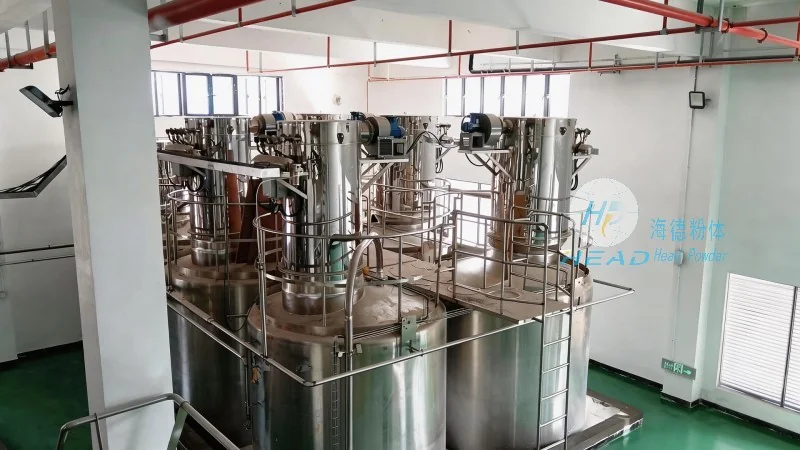
Introduction to the Pneumatic Conveying System for Casting Gray Materials
The pneumatic conveying system for casting gray materials is a critical equipment in modern foundries, enabling efficient and safe transportation of these materials from production areas to storage or processing facilities. Developed by Shandong HeadPowder Engineering Co., Ltd., this system integrates advanced engineering and robust components to ensure reliable performance under diverse operational conditions.
Key Components of the Pneumatic Conveying System
The system comprises several essential components that collaborate to facilitate material transport. These include a hopper for material storage, a rotary valve or feeder to control material discharge, a conveying pipeline network, a positive displacement blower or vacuum pump to generate the necessary air flow, and a receiver or silo for material deposition. Each component plays a vital role in maintaining system efficiency and safety.
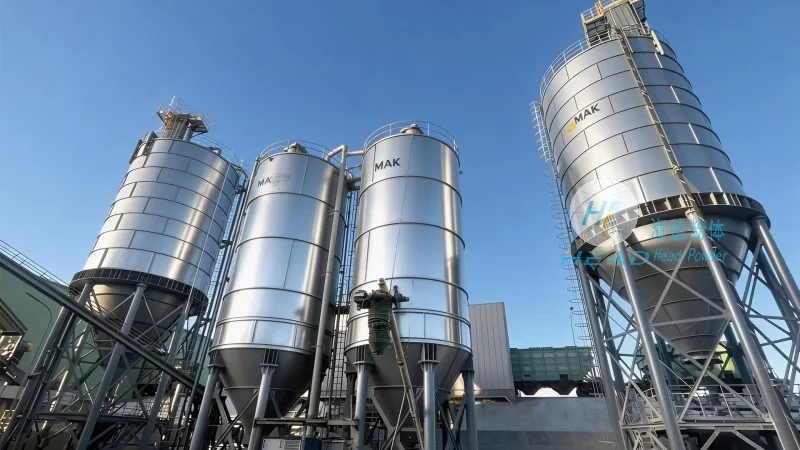
Working Principle of the Pneumatic Conveying System
The core principle of the pneumatic conveying system is the use of compressed air or vacuum to move material particles through a pipeline. In a positive pressure system, air is forced through the pipeline at high velocity, creating a flow that entrains the material particles. The material is then carried along the pipeline to the destination. Conversely, a negative pressure (vacuum) system draws material into the pipeline using a vacuum pump, which is ideal for applications requiring gentle handling of delicate materials.
Operation Process of the Pneumatic Conveying System
The operation process starts with material loading into the hopper. The rotary valve or feeder then regulates the flow of casting gray materials into the conveying pipeline. Simultaneously, the blower or vacuum pump generates the required air flow, introduced into the pipeline at the inlet. As the air flows through the pipeline, it entrains the material particles, forming a slurry-like mixture that travels through the system. The material is deposited into the receiver or silo at the pipeline's end. The system's control system monitors parameters like air pressure, flow rate, and material level, ensuring optimal performance and preventing failures.
Advantages of the Pneumatic Conveying System for Casting Gray Materials
Implementing a pneumatic conveying system for casting gray materials offers advantages over traditional methods such as belt conveyors or manual handling. These include reduced labor costs, enhanced safety by eliminating manual handling of dusty materials, improved material quality through gentle handling, and increased operational efficiency due to continuous and automated transport. Additionally, the system can be easily integrated with other industrial processes, providing a seamless workflow in foundry operations.
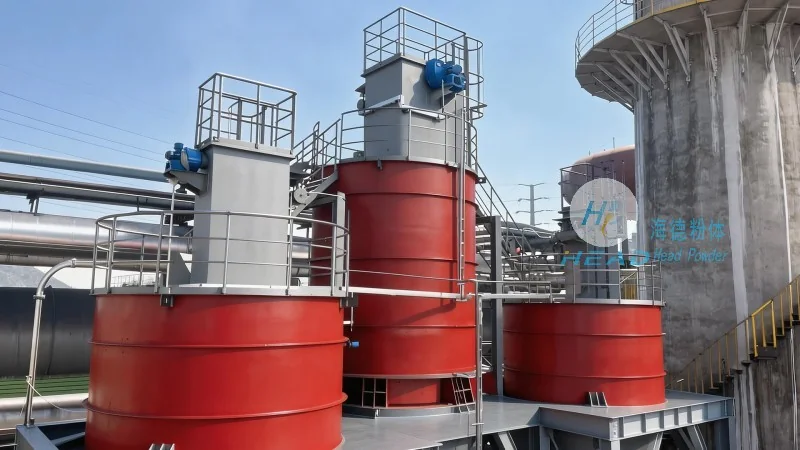
Applications and Customization
The pneumatic conveying system for casting gray materials is widely used in various foundry applications, including transporting sand, slag, and other byproducts from molding lines to storage areas. Shandong HeadPowder Engineering Co., Ltd. offers customized solutions tailored to specific customer needs, such as varying material types, flow rates, and system sizes. The company's engineering team collaborates with clients to design systems that meet unique operational requirements and ensure long-term reliability.
Maintenance and Troubleshooting
To ensure continuous and efficient operation of the pneumatic conveying system, regular maintenance is essential. This includes cleaning the hopper and feeder to prevent material buildup, inspecting the blower or vacuum pump for wear and tear, checking the pipeline for blockages or leaks, and monitoring the control system for malfunctions. Shandong HeadPowder Engineering Co., Ltd. provides comprehensive maintenance services and technical support to help clients maintain systems in optimal condition, minimizing downtime and maximizing productivity.