

Operation Process and Working Principle of a Calcined Ash Material Pneumatic Conveying System
At Shandong HeadPowder Engineering Co., Ltd., we specialize in the design, manufacturing, and implementation of advanced pneumatic conveying systems tailored for calcined ash material handling. Our systems are engineered to provide efficient, reliable, and cost-effective solutions for transporting calcined ash from storage silos or processing units to various destinations within industrial facilities. The following article outlines the operation process and working principle of our calcined ash pneumatic conveying system, highlighting key components, operational steps, and the underlying technology that ensures optimal performance.
Key Components of the Pneumatic Conveying System
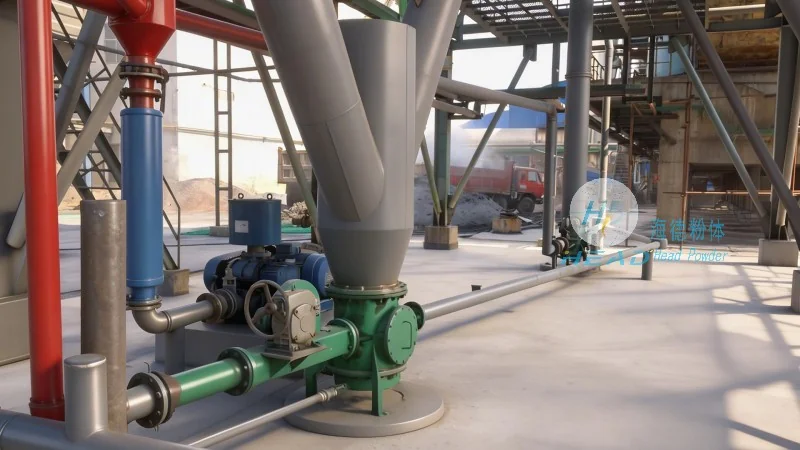
The calcined ash pneumatic conveying system consists of several critical components that work in harmony to achieve seamless material transport. These components include the material hopper, rotary valve, air compressor, conveying pipeline, and the receiving hopper. Each component plays a vital role in the overall system functionality:
1. Material Hopper: This is the initial storage unit where calcined ash is stored before being fed into the system. The hopper is designed with a sloped bottom to facilitate the smooth discharge of material into the rotary valve. It often includes a level indicator to monitor the material inventory and a dust collection system to prevent airborne particles from escaping.
2. Rotary Valve (Airlock): The rotary valve acts as a controlled feed mechanism, regulating the flow of calcined ash from the hopper into the conveying pipeline. It ensures a consistent and controlled discharge rate, preventing material buildup or blockages. The valve is typically equipped with a sealing mechanism to maintain airtightness and minimize air leakage.
3. Air Compressor: The air compressor is the power source of the system, generating the necessary air pressure to move the calcined ash particles through the pipeline. It is usually equipped with a pressure regulator and a filter to ensure clean, dry air is supplied to the system, which is crucial for preventing pipe blockages and maintaining system efficiency.
4. Conveying Pipeline: The pipeline is the main pathway for transporting calcined ash. It is typically made of durable materials such as stainless steel or high-density polyethylene to withstand the abrasive nature of calcined ash and the internal pressure from the air flow. The pipeline is designed with appropriate bends and elbows to accommodate the system layout while minimizing pressure drop and ensuring smooth material flow.
5. Receiving Hopper: The receiving hopper is the final destination where the calcined ash is deposited after being conveyed through the pipeline. It is equipped with a discharge valve and a level indicator to control the material release and monitor the inventory level. Some systems may also include a dust collection system at the receiving end to capture any airborne particles.
Operation Process of the Pneumatic Conveying System
The operation of the calcined ash pneumatic conveying system follows a systematic process that ensures efficient material transport. The steps involved are as follows:
1. Material Loading: Calcined ash is loaded into the material hopper from the storage silo or processing unit. The hopper is filled to an appropriate level, ensuring sufficient material for continuous operation.
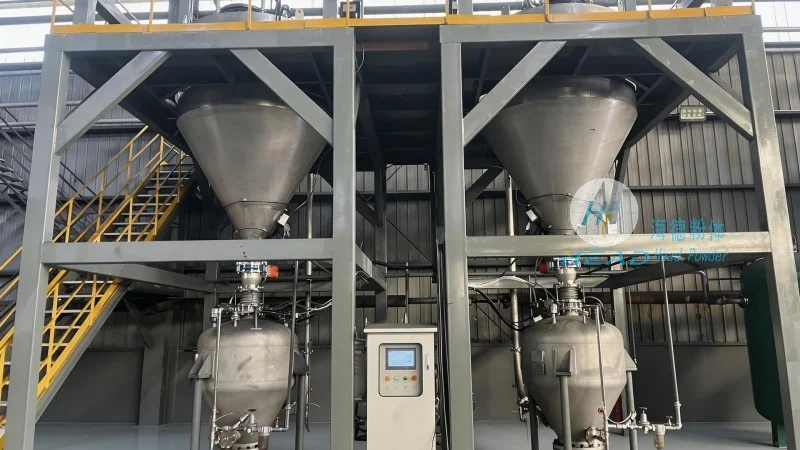
2. Feeding Initiation: The rotary valve is activated, allowing calcined ash to flow from the hopper into the conveying pipeline. The valve is controlled to maintain a consistent feed rate, which is adjusted based on the system's capacity and the required transport speed.
3. Air Compression and Injection: The air compressor starts, generating compressed air that is directed into the conveying pipeline. The air is injected at the inlet of the pipeline, creating a high-velocity air stream that entrains the calcined ash particles and propels them through the pipeline.
4. Material Transport: The calcined ash particles are carried by the air stream through the pipeline. The air velocity is maintained at a level sufficient to prevent particle deposition and ensure smooth flow. The pipeline's design, including bends and elbows, is optimized to minimize pressure loss and maintain the air velocity required for effective transport.
5. Material Deposition: Upon reaching the receiving hopper, the calcined ash is deposited due to the reduction in air velocity and the gravitational force. The receiving hopper collects the material, and the discharge valve is activated to release the ash as needed.
6. System Shutdown: When the material hopper is empty or the transport is complete, the system is shut down. The air compressor is turned off, and the rotary valve is closed to prevent material spillage or air leakage.
Working Principle of the Pneumatic Conveying System
The working principle of the calcined ash pneumatic conveying system is based on the principle of fluidization and particle entrainment. The system utilizes compressed air to create a high-velocity air stream that entrains the calcined ash particles, effectively transporting them through the pipeline. The key principles involved are:
1. Fluidization: The compressed air flows through the conveying pipeline, creating a fluidized state for the calcined ash particles. This fluidization allows the particles to move freely and be carried by the air stream, preventing blockages and ensuring smooth transport.
2. Particle Entrainment: The high-velocity air stream entrains the calcined ash particles, lifting them off the pipeline walls and carrying them through the system. The air velocity is maintained above the minimum fluidization velocity to ensure that the particles remain suspended and transported efficiently.
3. Pressure Drop Management: The system is designed to manage the pressure drop along the pipeline. The pressure drop is the difference in air pressure between the inlet and outlet of the pipeline, and it is influenced by factors such as pipeline length, diameter, bends, and the density of the material being transported. Proper design of the pipeline and components helps minimize pressure drop, ensuring the air compressor operates efficiently and the system maintains optimal performance.
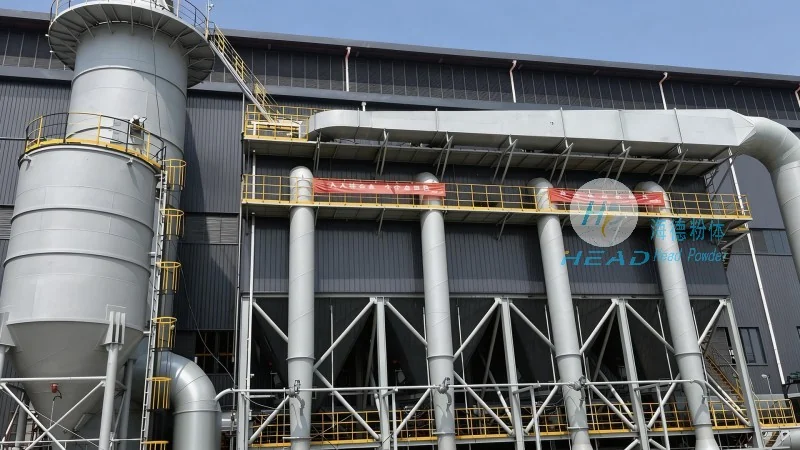
4. Air-Particle Separation: At the receiving hopper, the air stream slows down, and the calcined ash particles settle due to gravity. The air is then discharged or recirculated, depending on the system design, to maintain the air flow and prevent pressure buildup.
Advantages of Using a Pneumatic Conveying System for Calcined Ash
Implementing a pneumatic conveying system for calcined ash offers several advantages over traditional mechanical conveying methods. These benefits include:
1. Efficiency and Speed: The system provides rapid and continuous material transport, reducing the time required for material handling and increasing overall operational efficiency.
2. Space Savings: Pneumatic conveying systems are compact and can be installed in confined spaces, making them suitable for facilities with limited floor space.
3. Reduced Maintenance: With fewer moving parts compared to mechanical conveyors, the pneumatic system requires less maintenance, resulting in lower operational costs and increased system reliability.
4. Minimal Material Loss: The system is designed to minimize material spillage and loss, as the material is contained within the pipeline and hopper throughout the transport process.
5. Flexibility in Layout: The system can be easily reconfigured or expanded to accommodate changes in facility layout or increased material handling requirements.
Conclusion
Shandong HeadPowder Engineering Co., Ltd. offers advanced calcined ash pneumatic conveying systems that are engineered to deliver efficient, reliable, and cost-effective material transport solutions. By understanding the operation process and working principle of these systems, industrial facilities can optimize their material handling processes, improve operational efficiency, and reduce maintenance costs. Our systems are designed to meet the specific requirements of calcined ash material handling, ensuring optimal performance and longevity. For more information on our pneumatic conveying systems, please contact us at Shandong HeadPowder Engineering Co., Ltd., located in Shandong, China.