

Operation Process and Working Principle of Dry Manure Material Pneumatic Conveying System
For agricultural and livestock operations, efficient and hygienic handling of dry manure is crucial for maintaining sanitation standards and optimizing resource utilization. The pneumatic conveying system designed by Shandong HeadPowder Engineering Co., Ltd. offers a reliable solution for transporting dry manure materials, ensuring smooth and safe operation while minimizing environmental impact.
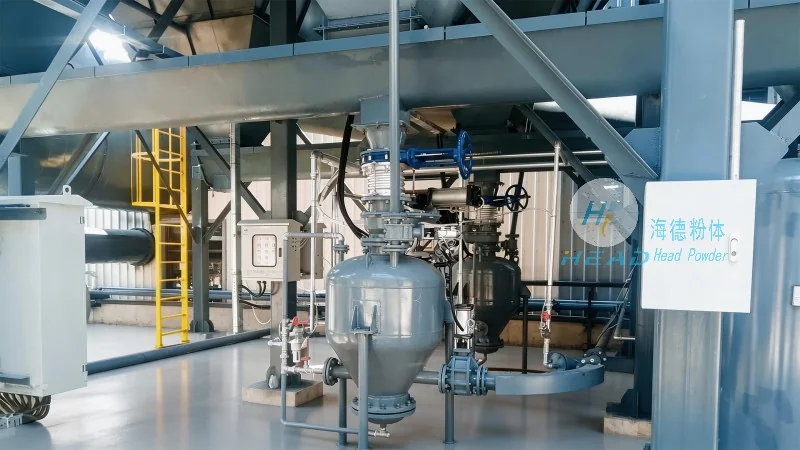
Overview of the Pneumatic Conveying System
The system utilizes a combination of air pressure and vacuum to transport dry manure from source points to storage or processing facilities. This technology eliminates the need for traditional mechanical conveyors, reducing equipment wear and maintenance costs while improving operational flexibility. The design is tailored to handle various types of dry manure, including cow dung, horse manure, and other organic waste materials, with adjustable parameters to accommodate different material characteristics and conveying distances.
Key Components and Their Functions
The pneumatic conveying system consists of several critical components that work in tandem to ensure efficient material transport. These include the air compressor or vacuum pump, which generates the necessary air pressure or vacuum; the hopper or feed hopper, where the dry manure is loaded; the conveying pipeline, which transports the material; and the discharge hopper or silo, where the material is deposited. Each component is engineered to withstand the demands of continuous operation and to maintain hygiene standards, ensuring that the system remains clean and functional over time.
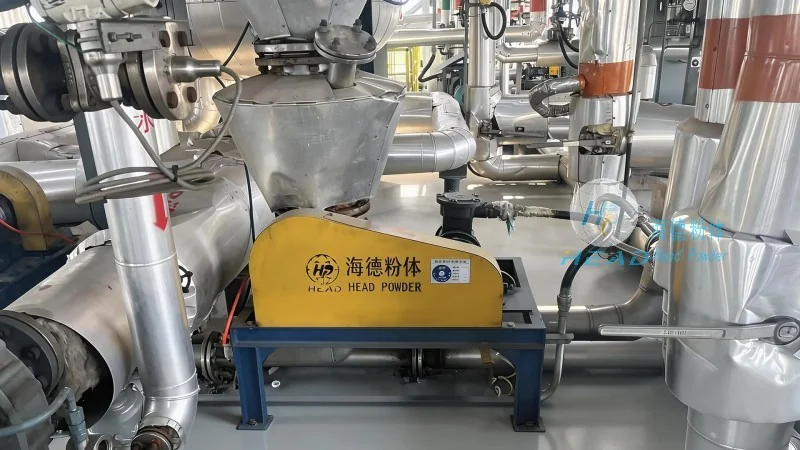
Working Principle of the System
The operation of the pneumatic conveying system begins with the loading of dry manure into the feed hopper. The air compressor then generates high-pressure air, which is introduced into the pipeline through a venturi or other air injection device. As the air flows through the pipeline, it entrains the dry manure particles, creating a slurry-like mixture that is propelled forward by the air current. The conveying velocity and pressure are carefully controlled to prevent material deposition or blockage in the pipeline, ensuring consistent and reliable transport. At the discharge end, the air is separated from the manure, often through a cyclone separator or filter, and the clean air is vented, while the dry manure is collected in the discharge hopper.
Operation Process: Step-by-Step
The operational process of the dry manure pneumatic conveying system involves several sequential steps that ensure efficient and safe material transport. First, the dry manure is loaded into the feed hopper, which is equipped with a feeding mechanism to regulate the flow rate. Next, the air compressor is activated, and the air is introduced into the pipeline at a controlled pressure. The material is then conveyed from the source to the destination, with the system monitoring pressure and flow rates to maintain optimal performance. Upon reaching the discharge point, the material is deposited into the receiving container, and the air is filtered and vented to prevent dust emissions. The system is designed to operate continuously, with automated controls that adjust parameters based on material characteristics and system conditions, ensuring consistent performance and minimal downtime.
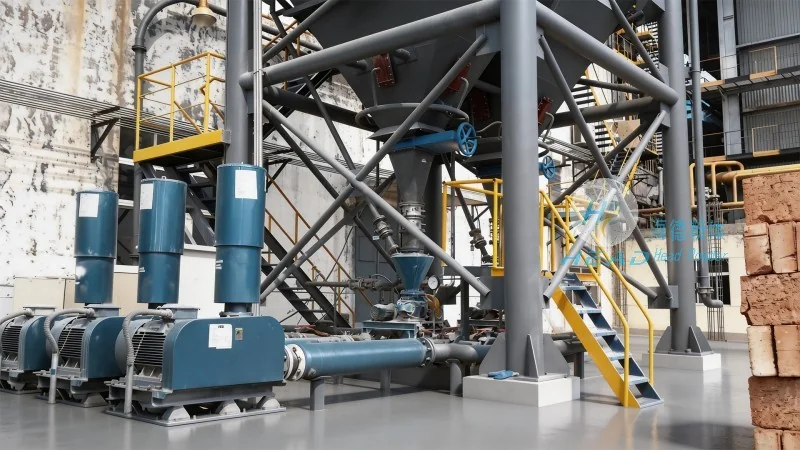
Advantages of the Pneumatic Conveying System
Compared to traditional mechanical conveyors, the pneumatic conveying system offers several advantages for handling dry manure. These include improved hygiene, as the system is enclosed and prevents contact with contaminants; enhanced safety, as there are no moving parts in direct contact with the material; and reduced maintenance costs, due to the absence of mechanical wear and tear. Additionally, the system is highly flexible, allowing for changes in conveying distance or material type without significant modifications. The use of air as the conveying medium also minimizes the risk of material contamination and ensures that the manure remains in a dry state, which is beneficial for subsequent processing or composting.
Application and Customization
The pneumatic conveying system developed by Shandong HeadPowder Engineering Co., Ltd. is designed to meet the specific needs of various agricultural and livestock operations. The system can be customized to accommodate different conveying capacities, distances, and material types, ensuring that it fits seamlessly into existing infrastructure. For example, the system can be scaled up or down to handle from small-scale farm operations to large industrial facilities, with adjustable air pressure and pipeline diameter to optimize performance. The company provides comprehensive support, including installation, training, and maintenance services, to ensure that clients can maximize the benefits of the system and achieve their operational goals.