

Operation Process and Working Principle of a Silicomanganese Material Pneumatic Conveying System
HeadPowder, a leading engineering company based in Shandong, China, specializes in the design and implementation of advanced material handling systems. One of their key offerings is the silicomanganese material pneumatic conveying system, which efficiently transports silicomanganese—a critical raw material in the production of steel and other alloys—throughout industrial facilities. This system combines robust engineering with innovative technology to ensure reliable, high-capacity material transport while maintaining product integrity.

System Overview and Core Components
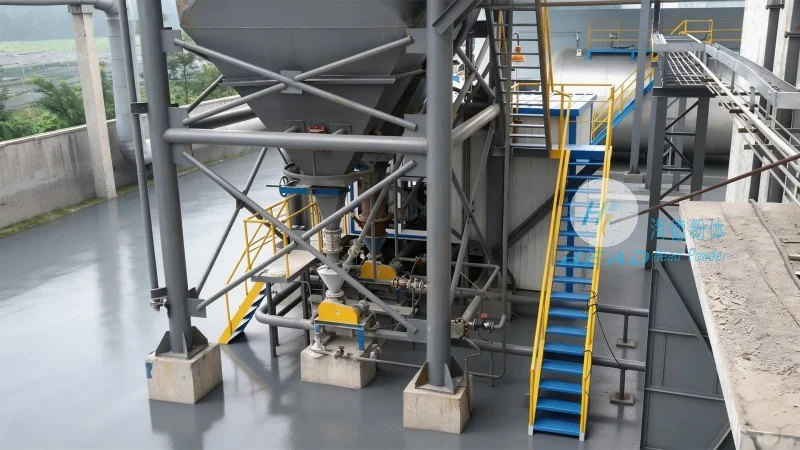
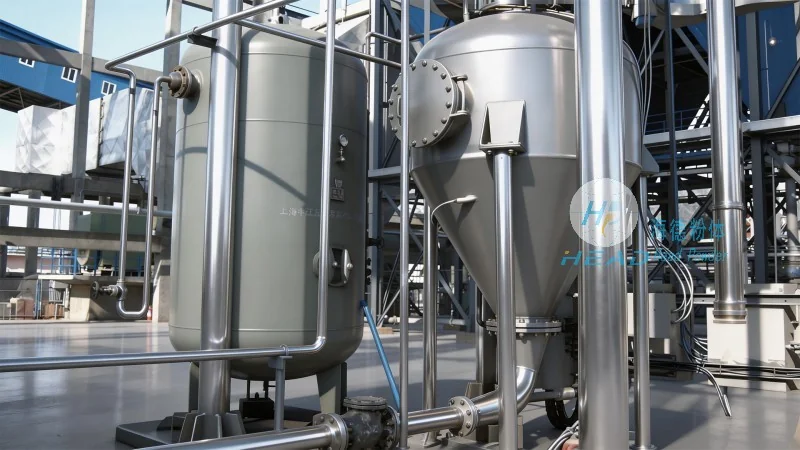
The silicomanganese material pneumatic conveying system is engineered to handle the unique characteristics of silicomanganese, including its density, particle size distribution, and potential moisture content. The system typically consists of several key components: a material hopper for storage and feeding, a rotary valve or feeder to control the flow rate, a conveying pipeline network, a blower or compressor to generate the necessary air pressure, and a dust collection system to ensure environmental compliance. Each component is carefully selected and integrated to optimize performance and minimize downtime.
Working Principle of Pneumatic Conveying
The fundamental principle behind the pneumatic conveying of silicomanganese is the use of air to transport solid particles. In this system, the blower or compressor generates a high-pressure air stream that is introduced into the conveying pipeline. As the air flows through the pipeline, it lifts and propels the silicomanganese particles from the hopper to the discharge point. The system can operate in either positive pressure (where the pipeline is pressurized above atmospheric pressure) or negative pressure (where the pipeline is slightly vacuumed). The choice of pressure type depends on factors such as the distance to be covered, the particle size, and the need to prevent dust emissions. The air velocity within the pipeline is carefully controlled to ensure that the particles remain suspended and do not settle, which is crucial for maintaining consistent flow rates and preventing blockages.
Operation Process: Step-by-Step
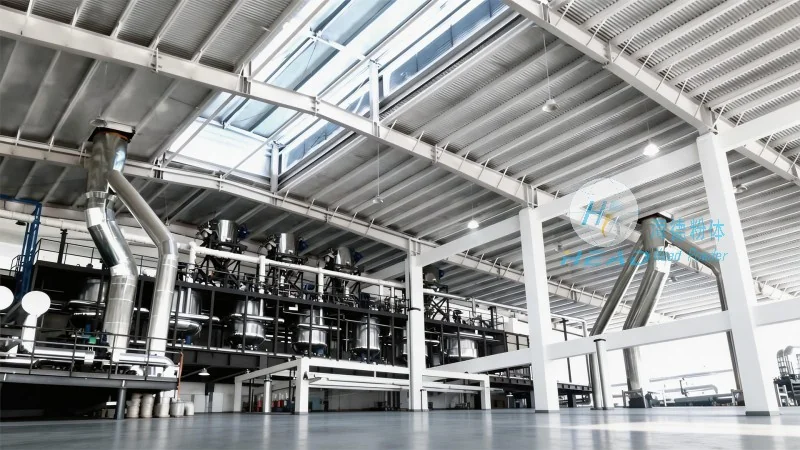
The operation of the silicomanganese pneumatic conveying system follows a systematic process to ensure efficient and safe material transport. The process begins with the loading of silicomanganese into the storage hopper. A rotary valve or feeder then regulates the flow of material from the hopper into the conveying pipeline. Simultaneously, the blower or compressor starts, generating the air pressure required for conveying. The air and material mixture travels through the pipeline network, which may include bends, expansions, or reductions to accommodate changes in direction or flow rate. At the discharge point, the material is separated from the air using a cyclone separator or other filtration equipment, and the air is then filtered and discharged. The system is equipped with sensors and control panels to monitor pressure, flow rate, and other critical parameters, allowing for real-time adjustments to maintain optimal performance. Regular maintenance, including cleaning of the pipeline and replacement of worn components, is essential to ensure the longevity and reliability of the system.
Benefits and Applications
The silicomanganese material pneumatic conveying system offers several advantages over traditional bulk material handling methods. These include high transport capacity, reduced labor costs, improved safety by eliminating manual handling, and enhanced product quality by minimizing exposure to moisture and contaminants. The system is widely used in the steel and alloy production industries, where silicomanganese is a vital component in the production of stainless steel and other high-performance alloys. Additionally, the system's flexibility allows it to be adapted to various plant layouts and production requirements, making it a versatile solution for industrial material handling needs.
Conclusion
HeadPowder's silicomanganese material pneumatic conveying system exemplifies advanced engineering and technological innovation in material handling. By combining efficient design, reliable operation, and adherence to industry standards, the system ensures consistent performance and contributes to the overall productivity of industrial facilities. With a strong presence in Shandong, China, HeadPowder continues to provide high-quality engineering solutions that meet the evolving needs of the material handling industry.