

Operation Process and Working Principle of Air-Pneumatic Conveying System for Foundry Sand Materials
Shandong HeadPowder Engineering Co., Ltd., commonly known as headpowder, is a professional manufacturer specializing in the research, development, and production of air-pneumatic conveying systems. With a focus on providing efficient and reliable solutions for material handling, the company has established itself as a leading provider in the industry. HeadPowder's headquarters is located in Shandong, China, where the company leverages advanced technology and expertise to deliver high-quality equipment tailored to the needs of various industrial applications.
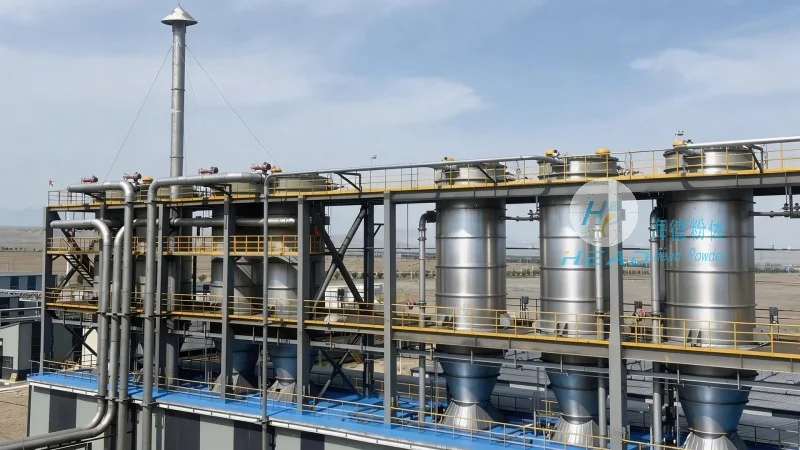
Air-Pneumatic Conveying System Overview
The air-pneumatic conveying system for foundry sand materials is a sophisticated piece of equipment designed to transport bulk materials such as foundry sand, gravel, or other granular substances through a pipeline using air pressure. This system is widely used in foundries, construction sites, and other industrial settings where efficient material movement is critical. The system combines the principles of pneumatic transport with advanced engineering to ensure smooth, continuous, and safe material handling.
System Components and Structure
The air-pneumatic conveying system typically consists of several key components, each playing a crucial role in the overall operation. These components include the material feed hopper, air compressor, pipeline network, dust collector, and control system. The feed hopper is responsible for storing and feeding the foundry sand into the system, while the air compressor generates the necessary air pressure to move the material through the pipeline. The pipeline network connects the various components and transports the material from the source to the destination. The dust collector is integrated to capture and filter any airborne particles, ensuring a clean and safe working environment. The control system manages the entire process, regulating the air pressure, material flow, and other operational parameters to maintain optimal performance.
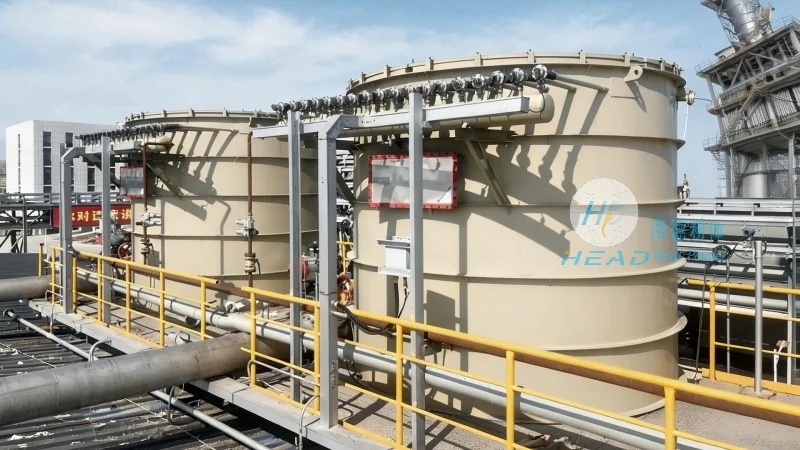
Operation Process of the Air-Pneumatic Conveying System
The operation of the air-pneumatic conveying system for foundry sand materials involves several sequential steps. First, the foundry sand is loaded into the feed hopper. The hopper then releases the material into the pipeline as the air compressor generates high-pressure air. The air and material mixture travels through the pipeline, with the air pressure propelling the sand forward. The system is designed to maintain a consistent flow rate, ensuring that the material reaches the destination without clogging or loss. At the receiving end, the material is deposited into a storage bin or processing unit. The control system continuously monitors the pressure, flow rate, and other parameters to adjust the operation as needed, ensuring efficient and reliable material transport.
Working Principle of the Air-Pneumatic Conveying System
The working principle of the air-pneumatic conveying system is based on the principle of pneumatic transport, where air pressure is used to move bulk materials. The system operates by creating a pressure differential between the feed point and the discharge point. The air compressor supplies compressed air to the pipeline, which creates a high-pressure environment. As the material is introduced into the pipeline, it is entrained by the air and carried along the pipeline. The velocity of the air and the size of the particles determine the efficiency of the transport. The system uses positive pressure or negative pressure (or a combination of both) to move the material, depending on the specific application and material characteristics. The design of the pipeline, including the diameter and length, is critical to ensure that the air pressure is sufficient to overcome friction and gravity, allowing the material to be transported smoothly.
Maintenance and Maintenance of the System
To ensure the long-term reliability and efficiency of the air-pneumatic conveying system, regular maintenance is essential. HeadPowder recommends a comprehensive maintenance schedule that includes checking the air compressor for proper operation, inspecting the pipeline for any blockages or leaks, and cleaning the dust collector regularly. The feed hopper should be checked for material buildup and any signs of wear. The control system should be calibrated periodically to ensure accurate monitoring and control of the operational parameters. Proper maintenance not only extends the lifespan of the equipment but also ensures consistent performance and reduces the risk of downtime.
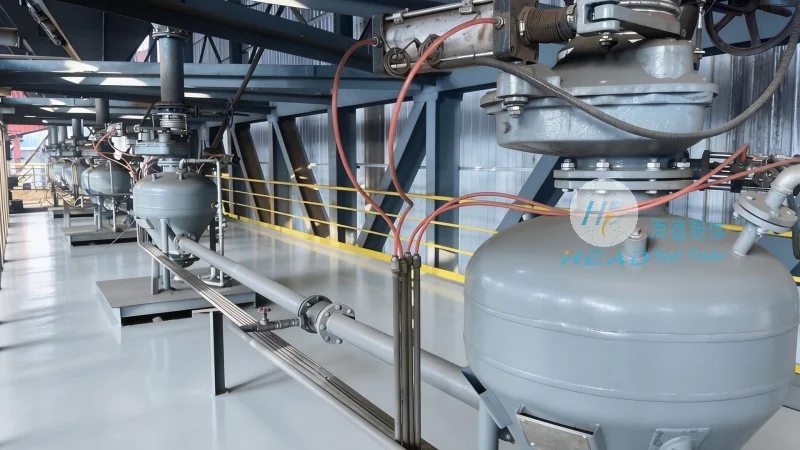
Application Scenarios
The air-pneumatic conveying system for foundry sand materials is suitable for a wide range of applications in various industries. In foundries, it is used to transport sand from storage to molding machines, ensuring a continuous supply of material for production. In construction sites, it can be used to move gravel or other granular materials from storage to construction areas. The system is also used in other industrial settings where bulk material handling is required, such as in mining, chemical processing, and food processing industries. The flexibility of the system allows it to be adapted to different material types and operational requirements, making it a versatile solution for material transport needs.
Advantages of the Air-Pneumatic Conveying System
Compared to traditional material handling methods, such as belt conveyors or bucket elevators, the air-pneumatic conveying system offers several advantages. One of the key advantages is its ability to transport materials in a closed system, which helps to prevent dust and contamination. This is particularly important for foundry sand, which can be dusty and require a clean environment. The system also offers high efficiency and low maintenance costs, as it has fewer moving parts compared to other systems. Additionally, the system can be easily integrated with other equipment, such as storage bins or processing units, to create a seamless material handling process. The compact design of the system allows it to be installed in limited spaces, making it suitable for various industrial settings.