

Operation Process and Working Principle of Biomass Material Pneumatic Conveying Systems
HeadPowder, a leading engineering company based in Shandong, China, specializes in the design, manufacturing, and installation of advanced pneumatic conveying systems for biomass materials. These systems are critical in various industrial applications, including biomass power plants, biofuel production facilities, and agricultural processing operations, where efficient and reliable material transport is essential for optimal performance and productivity.
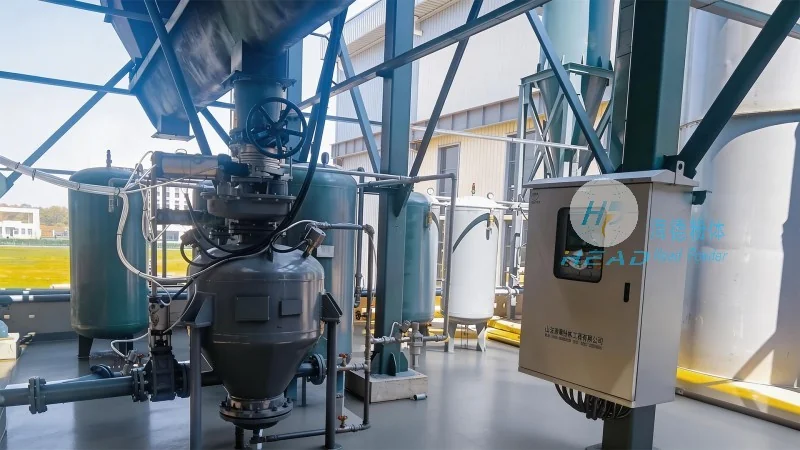
Key Components and Their Roles in Biomass Pneumatic Conveying Systems
The operation of a biomass material pneumatic conveying system involves several key components that work in tandem to ensure smooth and efficient material transport. The primary components include the material feeding system, the air supply unit, the conveying pipeline, the separation and collection equipment, and the control system. Each component plays a crucial role in the overall functionality of the system.
The material feeding system is responsible for introducing the biomass material into the conveying pipeline. This can be achieved through various methods such as screw feeders, rotary valves, or hopper feeders, depending on the material characteristics and the system requirements. The feeding mechanism ensures a consistent and controlled flow of material into the pipeline, preventing blockages and maintaining system efficiency.
The air supply unit provides the necessary pressure and flow of air or gas to move the biomass particles through the pipeline. This unit typically includes a blower or a compressor, which generates the required air pressure. The choice of air supply equipment depends on the system's capacity, the distance of material transport, and the specific characteristics of the biomass material being handled.
The conveying pipeline is the main channel through which the biomass material and air travel. The design of the pipeline, including its diameter, length, and layout, is critical for maintaining the desired flow rate and preventing pressure losses. The pipeline may include bends, expansions, or contractions, which are carefully designed to minimize energy loss and ensure smooth material transport.
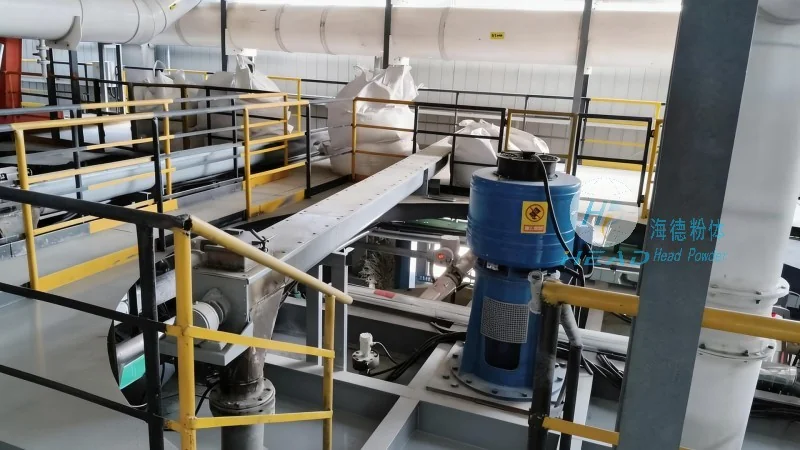
The separation and collection equipment is used to separate the biomass material from the air at the end of the conveying process. This can be achieved through various methods such as cyclone separators, bag filters, or electrostatic precipitators. The separated material is then collected and discharged into the target storage or processing unit, while the air is filtered and discharged or recirculated, depending on the system design.
The control system monitors and regulates the operation of the entire pneumatic conveying system. It includes sensors, controllers, and valves that ensure the system operates within safe and efficient parameters. The control system can adjust the air pressure, feeding rate, and other parameters in real-time to respond to changes in material flow or system conditions, ensuring optimal performance and preventing system failures.
Working Principle of Biomass Pneumatic Conveying Systems
The working principle of a biomass material pneumatic conveying system is based on the principle of transporting solid particles through a pipeline using a gas stream. There are two main types of pneumatic conveying systems: suction (or vacuum) systems and pressure (or positive) systems, with a third type being the mixed system that combines elements of both.
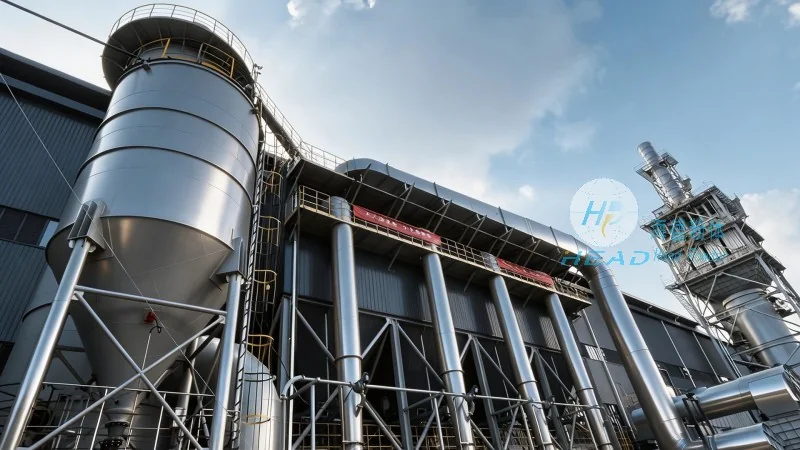
In a suction system, the air is drawn from the material source and the conveying pipeline, creating a negative pressure that pulls the biomass material into the pipeline. The material is then carried by the air stream to the destination. This type of system is typically used for short to medium distances and is suitable for handling light materials with low dust content.
In a pressure system, the air is supplied under pressure to the material source, where it mixes with the biomass material and forces it through the pipeline. The material is then discharged at the end of the pipeline under pressure. This type of system is commonly used for longer distances and is suitable for handling a wide range of biomass materials, including those with higher moisture content or dust levels.
The mixed system combines the features of both suction and pressure systems, using a combination of vacuum and pressure to transport the material. This system is often used for applications requiring a balance between the advantages of both types, such as handling materials over medium distances with varying material characteristics.
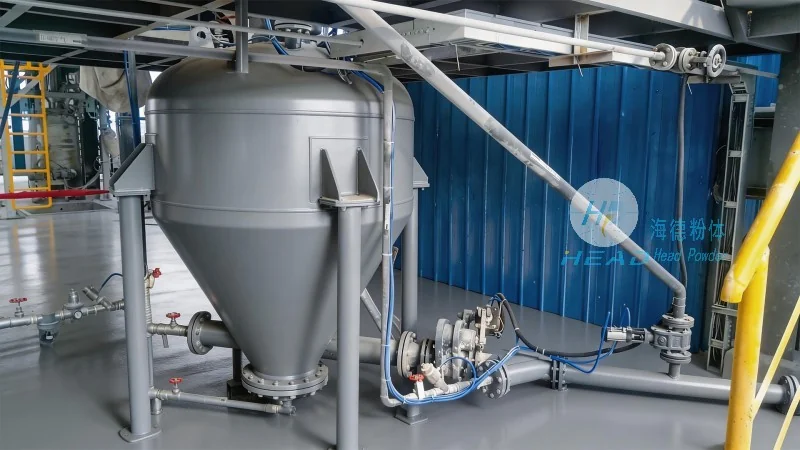
The operation of a pneumatic conveying system involves several key steps. First, the biomass material is fed into the system at a controlled rate. Second, the air is introduced into the system, either by suction or pressure, depending on the system type. Third, the material and air mix and travel through the pipeline. Fourth, the material is separated from the air at the destination. Finally, the separated material is collected and the air is filtered and discharged or recirculated.
Operation Process of Biomass Material Pneumatic Conveying Systems
The operation process of a biomass material pneumatic conveying system typically follows a sequence of steps to ensure efficient and reliable material transport. The process begins with the preparation of the biomass material, which may involve drying, grinding, or sorting to ensure consistent particle size and characteristics. The prepared material is then stored in a hopper or silo, from which it is fed into the system.
Next, the air supply unit is activated, and the system is pressurized or depressurized, depending on the system type. The feeding mechanism then introduces the biomass material into the conveying pipeline at a controlled rate. The material and air mix and travel through the pipeline, with the air providing the necessary force to move the material. The pipeline design, including bends and other components, is optimized to minimize pressure losses and ensure smooth material transport.
At the receiving end of the pipeline, the material is separated from the air using a separation device. The separated material is then collected and discharged into the target storage or processing unit. The air, now containing dust or other particles, is filtered and either discharged to the atmosphere or recirculated back into the system, depending on the system design and environmental regulations.