

Operation Process and Working Principle of Gypsum Powder and Fly Ash Material Pneumatic Conveying Sy
HeadPowder, a leading provider in the field of material handling solutions, specializes in the design, manufacturing, and installation of pneumatic conveying systems for various industrial applications. Based in Shandong, China, the company has established itself as a trusted partner for clients seeking efficient and reliable systems to transport bulk materials like gypsum powder and fly ash. These systems are critical in industries where the handling of fine and abrasive materials requires precision and durability.
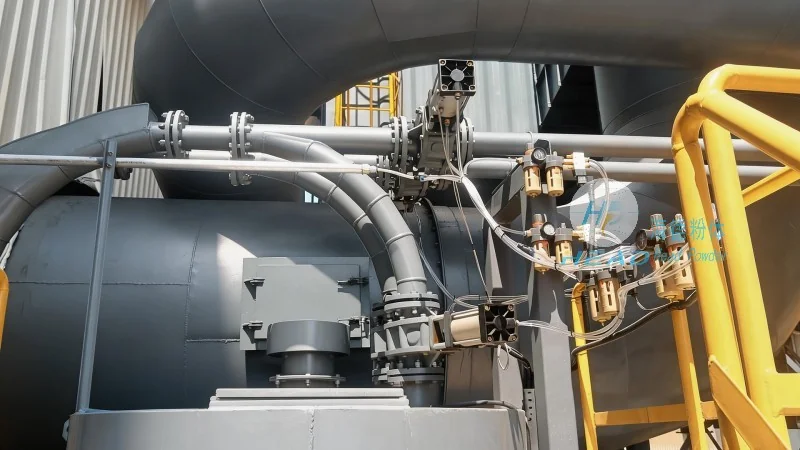
Operation Process of the Pneumatic Conveying System
The operation of a gypsum powder and fly ash pneumatic conveying system involves several key steps that ensure smooth and continuous material transport. The process begins with the material being loaded into a hopper or storage silo. From there, the material is drawn into the conveying line by a high-pressure air stream generated by a blower or compressor. The air and material mixture travels through the pipeline, with the air providing the necessary force to move the particles. The system typically includes components such as a feeder, a filter, and a receiver, which work together to maintain the integrity of the material and the cleanliness of the air. The feeder controls the flow rate, ensuring a consistent supply of material into the system. The filter removes any dust or debris from the air stream, preventing contamination and maintaining the system's efficiency. The receiver collects the material at the destination, where it can be discharged into a storage bin or processing equipment.
Working Principle of the System
The core of the pneumatic conveying system lies in the principle of air flow and particle suspension. As the air is forced through the pipeline at a high velocity, it creates a low-pressure zone that pulls the material particles into the air stream. This process, known as pneumatic transport, allows for the efficient movement of bulk materials without the need for mechanical components like belts or buckets. The system's design, including the size of the pipeline, the air pressure, and the type of feeder, is critical in determining the system's capacity and efficiency. For gypsum powder and fly ash, which are both fine and abrasive materials, the system is engineered to minimize material degradation and ensure consistent performance. The use of appropriate materials for the pipeline and components, such as stainless steel or special coatings, helps to prevent wear and corrosion, extending the system's lifespan.
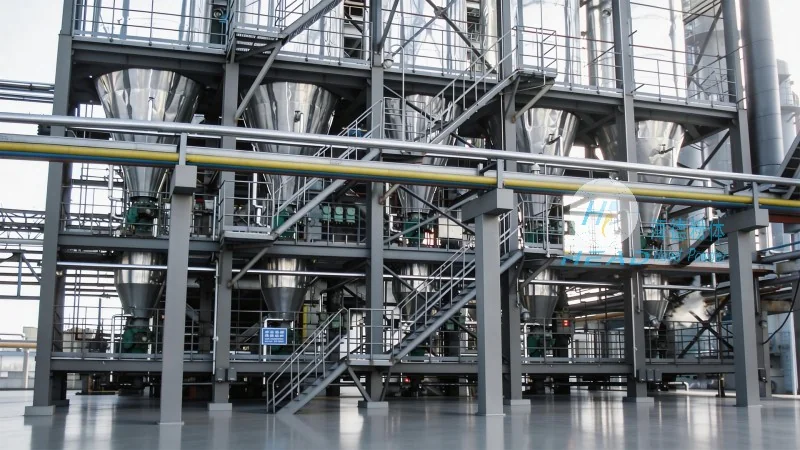
Key Components and Their Functions
Several key components are integral to the operation of the pneumatic conveying system. The blower or compressor is responsible for generating the high-pressure air stream, which provides the energy needed to move the material. The feeder, often a rotary valve or a screw feeder, controls the flow rate of the material into the system, ensuring a consistent supply. The pipeline, typically made of metal or plastic, transports the air and material mixture from the source to the destination. The filter removes any dust or debris from the air stream, maintaining the system's cleanliness and preventing clogging. The receiver collects the material at the end of the pipeline, where it can be discharged into a storage bin or processing equipment. The discharge valve in the receiver allows for controlled release of the material, preventing spills and ensuring safe handling.
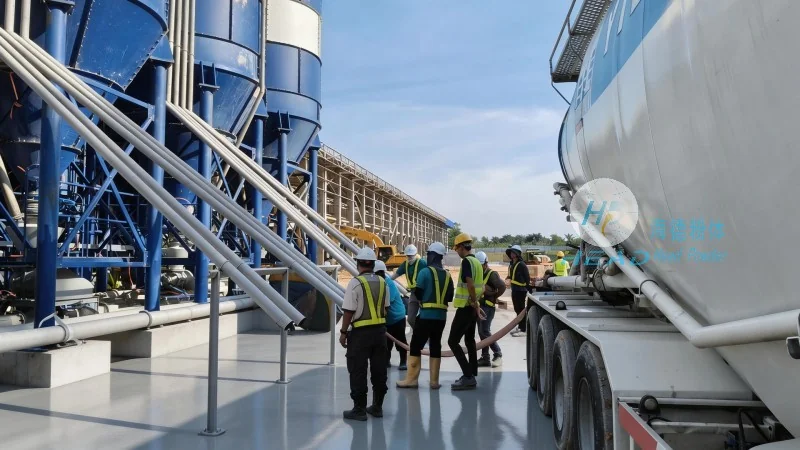
Advantages of Pneumatic Conveying Systems for Gypsum and Fly Ash
Pneumatic conveying systems offer several advantages over traditional mechanical conveying methods for handling gypsum powder and fly ash. One of the main advantages is the ability to transport materials over long distances without the need for multiple transfer points or intermediate storage. This reduces the risk of material degradation and contamination, as the material remains in a closed system. Another advantage is the flexibility of the system, which can be easily adjusted to accommodate changes in material flow rates or destination. The system also provides a dust-free environment, which is important for maintaining safety and compliance with environmental regulations. Additionally, pneumatic conveying systems are less prone to blockages compared to mechanical systems, as the air stream helps to keep the material particles in suspension and prevent agglomeration.
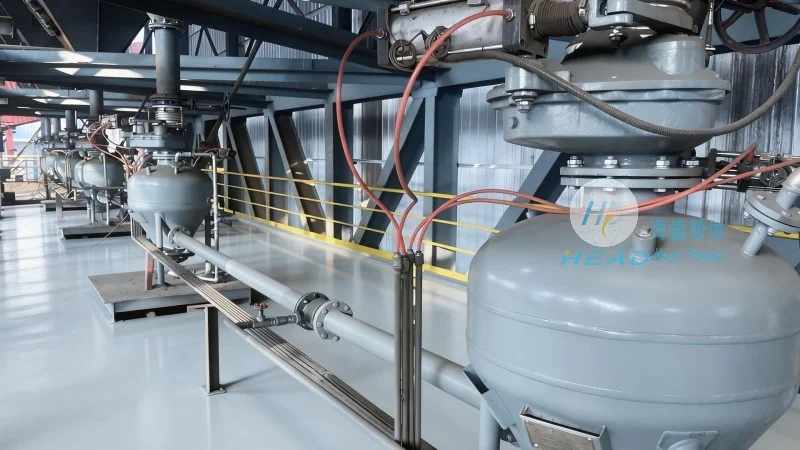
Customization and Application
HeadPowder Engineering Co., Ltd. offers customized pneumatic conveying systems tailored to the specific needs of each client. The company's engineers work closely with clients to understand their material handling requirements and design a system that meets their needs. The systems can be designed for various applications, including the transport of gypsum powder from storage silos to processing plants, or the transfer of fly ash from power plants to disposal sites. The company's products are known for their reliability and efficiency, and are used in a wide range of industries, including construction, power generation, and chemical manufacturing.
Conclusion
In conclusion, the pneumatic conveying system for gypsum powder and fly ash is an efficient and reliable method for transporting bulk materials. The system's operation involves several key steps, including material loading, air generation, and material transport, all of which are designed to ensure smooth and continuous operation. The working principle of the system is based on the suspension of particles in a high-velocity air stream, which allows for the efficient movement of materials without the need for mechanical components. With its advantages in flexibility, dust control, and reduced blockages, the pneumatic conveying system is an ideal solution for handling gypsum powder and fly ash in various industrial applications. HeadPowder Engineering Co., Ltd. continues to provide high-quality pneumatic conveying systems that meet the needs of its clients, ensuring optimal performance and reliability.