

Operation Process and Working Principle of Calcite Material Pneumatic Conveying Equipment
Calcite, a common calcium carbonate mineral, is widely used in various industries such as construction, pharmaceuticals, and food processing. The efficient and reliable transportation of calcite materials is crucial for industrial operations. Pneumatic conveying equipment offers a solution to handle calcite powders and granules with precision and minimal contamination. This article provides an in-depth look at the operation process and working principle of calcite material pneumatic conveying equipment, highlighting the technical aspects and practical applications.
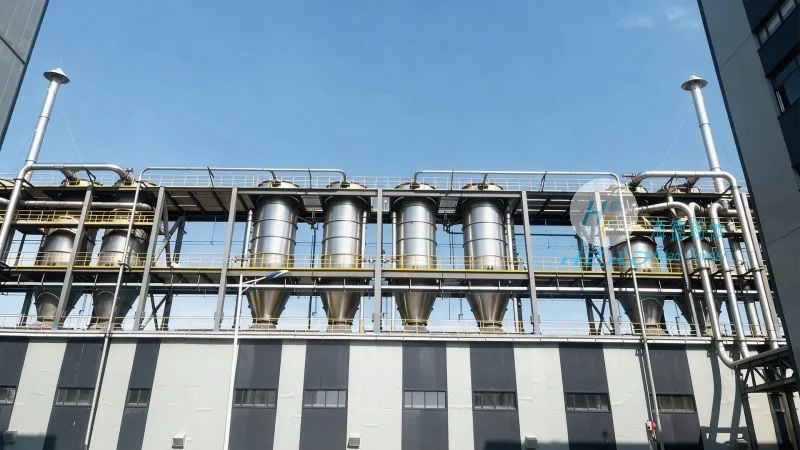
Introduction to Calcite Material Pneumatic Conveying
Calcite, with its chemical formula CaCO₃, is a versatile material that serves as a raw material in many manufacturing processes. The ability to transport calcite efficiently is essential to maintain production continuity and ensure product quality. Pneumatic conveying systems utilize air or gas to move calcite materials through pipelines, eliminating the need for mechanical components like belts or buckets. This method is particularly effective for handling fine powders and granules, which are prone to dust and caking if handled manually.
Company Profile: Shandong HeadPowder Engineering Co., Ltd.
Headpowder, the manufacturer of the calcite material pneumatic conveying equipment, is a leading company in the field of powder processing and material handling solutions. Based in Shandong, China, HeadPowder specializes in designing and manufacturing advanced pneumatic conveying systems tailored to the specific needs of calcite processing industries. The company's commitment to quality and innovation has made it a trusted partner for businesses seeking reliable and efficient calcite transportation solutions.
Working Principle of Pneumatic Conveying Systems
The core of calcite material pneumatic conveying equipment lies in its working principle, which involves the use of air pressure to transport materials. The system typically consists of a feeding hopper, a conveyor line, and a receiving hopper. The process begins with the calcite material being fed into the hopper. A fan or blower then generates a high-velocity air stream that draws the material into the pipeline. As the air and material travel through the pipeline, the material is suspended and transported to the destination. The receiving hopper collects the calcite material, and the air is either filtered and recycled or vented to the atmosphere. The key to efficient conveying is maintaining the correct air velocity and pressure to ensure the material remains suspended without clogging the system.
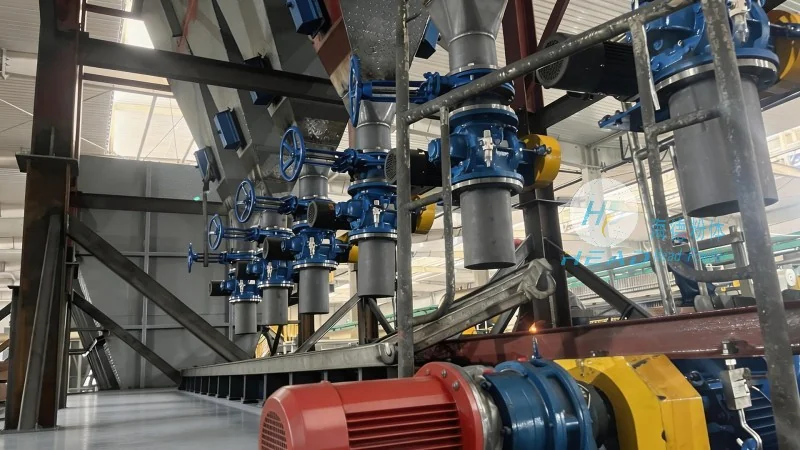
Operation Process of Calcite Material Pneumatic Conveying
The operation process of calcite material pneumatic conveying equipment involves several steps that ensure smooth and continuous material transport. First, the calcite material is loaded into the feeding hopper. The hopper is equipped with a feeder that controls the flow rate of the material into the system. Next, the fan or blower is activated, creating the necessary air pressure and velocity. The material is then drawn into the pipeline and conveyed to the receiving hopper. The system continuously monitors the air flow and material flow to maintain optimal operation. If any issues arise, such as clogging or pressure drops, the system automatically adjusts to prevent downtime. This automated control ensures that the calcite material is transported reliably and consistently, meeting the production demands of the industry.
Key Components and Their Functions
Several key components work together to ensure the efficient operation of calcite material pneumatic conveying equipment. The feeding hopper is designed to store and feed the calcite material into the system. It is equipped with a gate valve or feeder to regulate the material flow. The fan or blower provides the necessary air pressure and velocity to move the material. The conveyor line, typically made of stainless steel or other corrosion-resistant materials, is designed to withstand the abrasive nature of calcite. The receiving hopper collects the material and may include a discharge valve to control the outflow. The filter system, if used, removes dust and particles from the air before it is recycled or vented. Each component plays a critical role in maintaining the system's performance and ensuring the quality of the transported calcite material.
Advantages of Pneumatic Conveying for Calcite Materials
Pneumatic conveying offers several advantages over traditional mechanical conveying methods for calcite materials. One of the primary benefits is the ability to handle fine powders and granules without the risk of clogging or contamination. The system is also flexible, allowing for changes in material flow rates and destinations. Additionally, pneumatic conveying reduces labor costs as it eliminates the need for manual handling and reduces the risk of dust exposure for workers. The equipment is also compact and can be integrated into existing production lines, making it a cost-effective solution for calcite processing facilities. Overall, the advantages of pneumatic conveying make it an ideal choice for industries dealing with calcite materials.
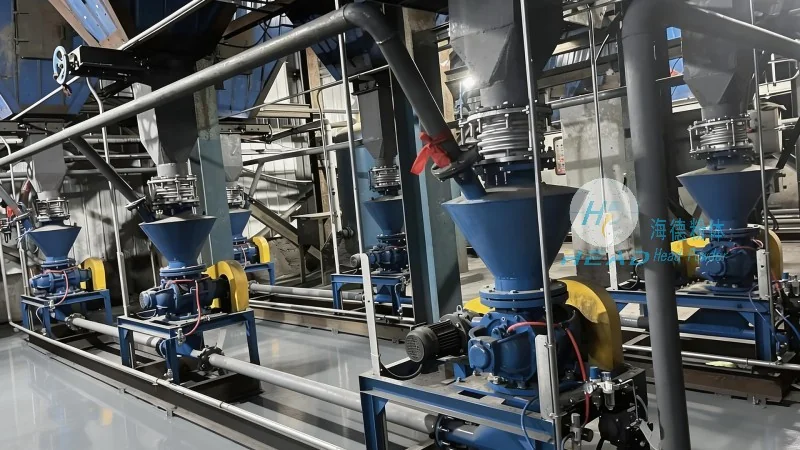
Applications in Calcite Processing Industries
The calcite material pneumatic conveying equipment is widely used in various industries that process calcite. In the construction industry, calcite is used as a filler in cement and concrete, and the conveying system ensures that the material is delivered to the mixing plants efficiently. In the pharmaceutical industry, calcite is used as a filler in tablets and capsules, and the system maintains the purity and quality of the material. In the food industry, calcite is used as a calcium supplement, and the conveying system ensures that the material is handled hygienically and without contamination. The equipment is also used in the chemical industry for the production of calcium carbonate products, where the precise control of material flow is critical. In all these applications, the pneumatic conveying system provides a reliable and efficient method of transporting calcite materials, meeting the specific requirements of each industry.
Maintenance and Troubleshooting
Proper maintenance is essential to ensure the long-term performance and reliability of calcite material pneumatic conveying equipment. Regular maintenance includes cleaning the system, checking the fan or blower for wear and tear, and inspecting the conveyor line for any signs of damage or corrosion. The filter system should be cleaned or replaced regularly to prevent clogging and maintain air quality. If the system experiences issues such as clogging or pressure drops, the following troubleshooting steps can be taken: check the material feed rate, inspect the pipeline for blockages, and verify the air pressure and velocity. By following these maintenance and troubleshooting procedures, the equipment can operate efficiently and minimize downtime, ensuring the smooth operation of calcite processing facilities.
Conclusion
The operation process and working principle of calcite material pneumatic conveying equipment are critical to the efficient and reliable transport of calcite materials in various industries. The system's ability to handle fine powders and granules without contamination, combined with its flexibility and cost-effectiveness, makes it an ideal solution for calcite processing. Headpowder, with its expertise in powder processing and material handling, provides high-quality pneumatic conveying equipment that meets the specific needs of calcite processing industries. By understanding the working principle and operation process, industries can optimize their calcite transportation systems, ensuring smooth production and high-quality products.