

Operation Process and Working Principle of Oat Flour Material Pneumatic Conveying Line
HeadPowder, a leading engineering company based in Shandong, China, specializes in the design, manufacturing, and installation of advanced pneumatic conveying systems tailored for various bulk material handling applications. This article provides a detailed overview of the operation process and working principle of a pneumatic conveying line specifically designed for handling oat flour, a common ingredient in food processing industries.
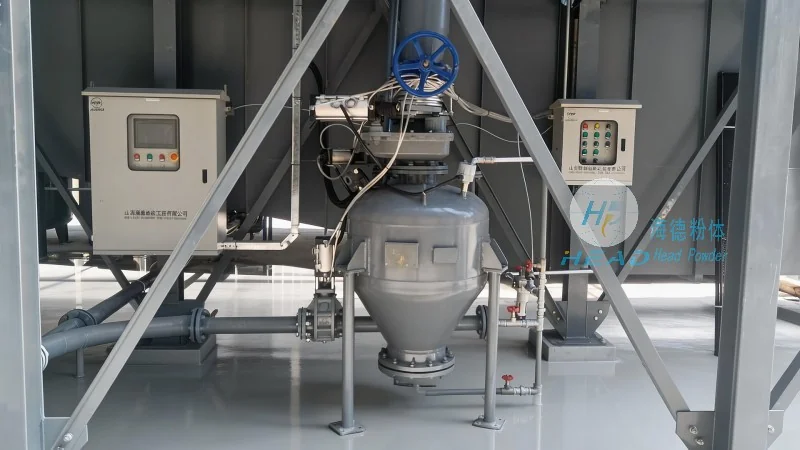
Introduction to Pneumatic Conveying Systems for Oat Flour
Pneumatic conveying systems are widely used in the food industry to transport bulk materials like oat flour efficiently and hygienically. These systems utilize air or gas as the conveying medium to move materials from one location to another, eliminating the need for mechanical components that could introduce contamination or wear over time. The design of a pneumatic conveying line for oat flour must consider factors such as material properties, dust control, and operational efficiency to ensure optimal performance.
Key Components of the Oat Flour Pneumatic Conveying Line
The pneumatic conveying line for oat flour typically consists of several critical components that work in tandem to achieve smooth material transport. These components include:
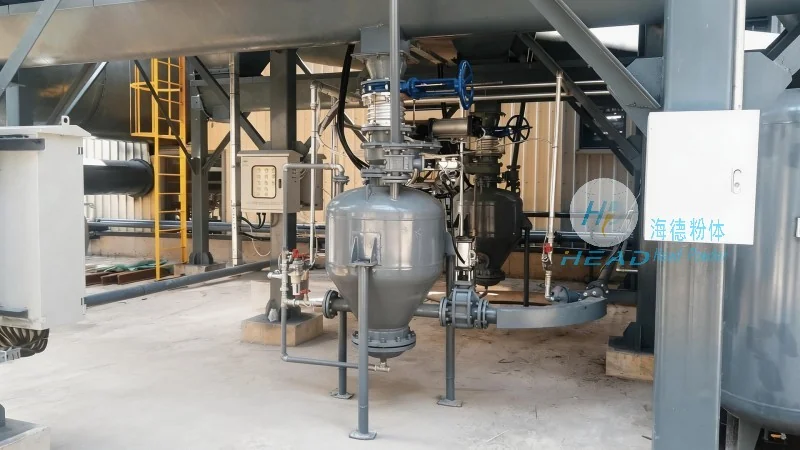
- Feeder: The feeder is responsible for feeding the oat flour into the system at a controlled rate. It ensures a consistent flow of material into the conveying line, preventing blockages and maintaining system stability.
- Conveying Pipe: The main body of the system, the conveying pipe is where the oat flour is transported using air pressure. The pipe is usually made of stainless steel or other food-grade materials to meet hygiene standards and resist corrosion from the flour.
- Air Supply System: This component generates the necessary air pressure to move the oat flour through the pipe. It includes a blower or compressor, air filters, and pressure regulators to ensure clean and consistent air flow.
- Separation and Collection Equipment: At the end of the conveying line, the system separates the oat flour from the air and collects it in a storage bin or processing unit. This may involve cyclones, filters, or other separation devices to ensure minimal loss of material.
- Control System: The control system monitors and regulates the operation of the entire pneumatic conveying line. It includes sensors, valves, and a control panel to adjust parameters such as air pressure, feed rate, and material flow, ensuring optimal performance and preventing system failures.
Operation Process of the Oat Flour Pneumatic Conveying Line
The operation of the pneumatic conveying line for oat flour follows a sequential process that ensures efficient and continuous material transport. Here is a step-by-step breakdown of the process:
- Material Feeding: The oat flour is fed into the system via the feeder at a controlled rate. The feeder ensures a consistent flow of material, preventing overloading or underloading of the system.
- Air Injection: The air supply system injects compressed air into the conveying pipe at a specific pressure. The air flows through the pipe, creating a flow that lifts and transports the oat flour particles.
- Material Transport: The oat flour particles are suspended in the air stream and carried through the conveying pipe to the destination point. The air pressure and flow rate determine the speed and distance of the material transport.
- Material Separation: At the end of the conveying line, the air and oat flour mixture enters a separation device, such as a cyclone or filter. The cyclone uses centrifugal force to separate the oat flour from the air, collecting the flour in a collection bin.
- Material Collection: The separated oat flour is collected in a storage bin or processing unit, ready for further use in food production. The air, now clean, is either discharged to the atmosphere or recycled back into the system.
Working Principle of the Pneumatic Conveying Line
The working principle of the pneumatic conveying line for oat flour is based on the principle of fluidization and pneumatic transport. When air is injected into the conveying pipe at a sufficient pressure, it creates a flow that lifts the oat flour particles and transports them through the pipe. The key factors that affect the performance of the system include:
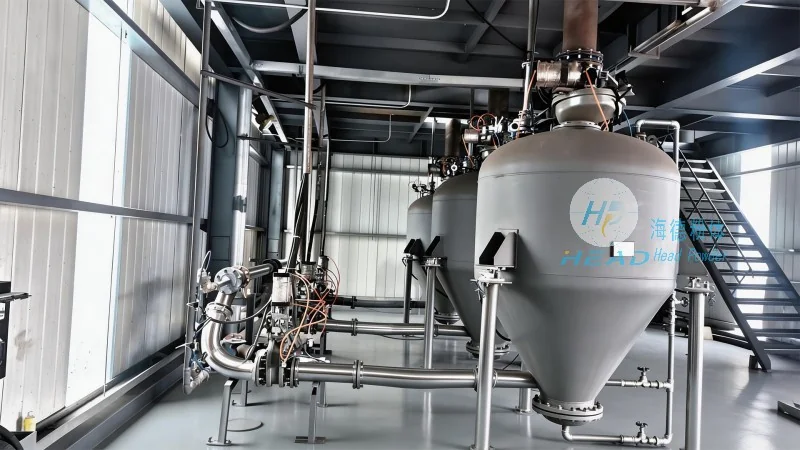
- Air Pressure: The pressure of the air supply determines the velocity of the air stream and the ability to transport the oat flour. Higher air pressure allows for longer conveying distances and higher material flow rates.
- Material Properties: The size, density, and moisture content of the oat flour affect its ability to be conveyed. Finer particles may require higher air pressure or different conveying methods to ensure efficient transport.
- Conveying Pipe Design: The diameter and length of the conveying pipe, as well as the number of bends or fittings, impact the system's efficiency. Proper pipe design minimizes pressure losses and ensures smooth material flow.
- Separation Efficiency: The effectiveness of the separation equipment determines the amount of material lost to the air stream. High-efficiency separation devices minimize material loss and maintain product quality.
Advantages of Using a Pneumatic Conveying Line for Oat Flour
Implementing a pneumatic conveying line for oat flour offers several advantages over traditional mechanical conveying systems. These benefits include:
- Hygienic and Clean Operation: Pneumatic conveying systems are enclosed, preventing contamination from external sources and ensuring the oat flour remains clean and safe for food use.
- Reduced Maintenance: With fewer mechanical components, such as belts or chains, the pneumatic conveying line requires less maintenance and has a longer service life compared to mechanical systems.
- Energy Efficiency: Modern pneumatic conveying systems are designed to be energy-efficient, using minimal air pressure to achieve optimal material transport, reducing operational costs.
- Flexibility and Scalability: The system can be easily modified or expanded to accommodate changes in production volume or material handling requirements, making it suitable for various food processing applications.
- Minimal Product Loss: The enclosed design and efficient separation equipment minimize material loss during transport, ensuring higher product yield and lower waste.
Conclusion
HeadPowder's pneumatic conveying line for oat flour is a reliable and efficient solution for bulk material handling in the food industry. By understanding the operation process and working principle of the system, food processing companies can optimize their material transport operations, improve product quality, and reduce operational costs. With its advanced design and robust components, this system ensures consistent performance and meets the stringent hygiene and safety standards required in the food industry.