

Operation Process and Working Principle of Tungsten Carbide Material Pneumatic Conveying Lines
HeadPowder, a leading engineering company based in Shandong, China, specializes in the design, manufacturing, and installation of advanced pneumatic conveying systems tailored for handling tungsten carbide materials. These systems are engineered to ensure efficient, reliable, and safe material transport in industrial applications, particularly where precision and durability are critical. The following sections detail the operational process and underlying principles of such systems, providing a comprehensive understanding of their functionality and benefits.
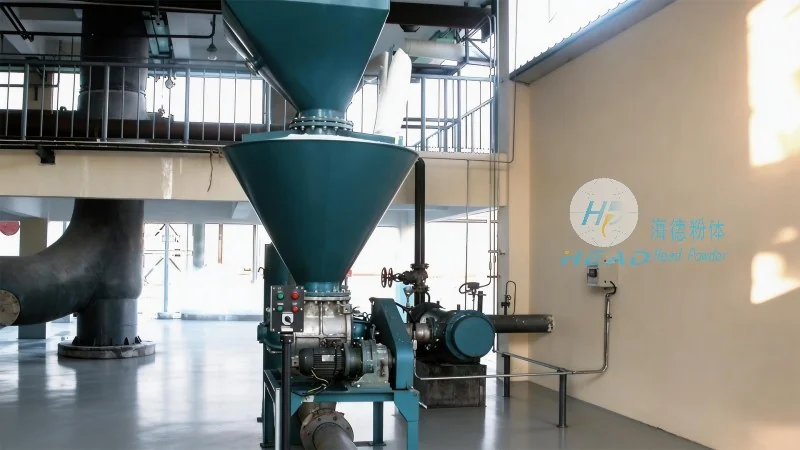
Key Components of Tungsten Carbide Pneumatic Conveying Lines
The core components of a tungsten carbide pneumatic conveying line include the material hopper, feeder, conveying pipeline, air compressor, and dust collection system. Each component plays a vital role in the overall system performance. The material hopper is designed to store the tungsten carbide powder or granules, ensuring a consistent feed to the feeder. The feeder, typically a rotary valve or screw feeder, regulates the material flow into the pipeline at a controlled rate. The conveying pipeline, often made from corrosion-resistant materials like stainless steel or specialized alloys, transports the material and air mixture. The air compressor generates the necessary air pressure to move the material through the pipeline, while the dust collection system captures any airborne particles, maintaining air quality and preventing contamination.
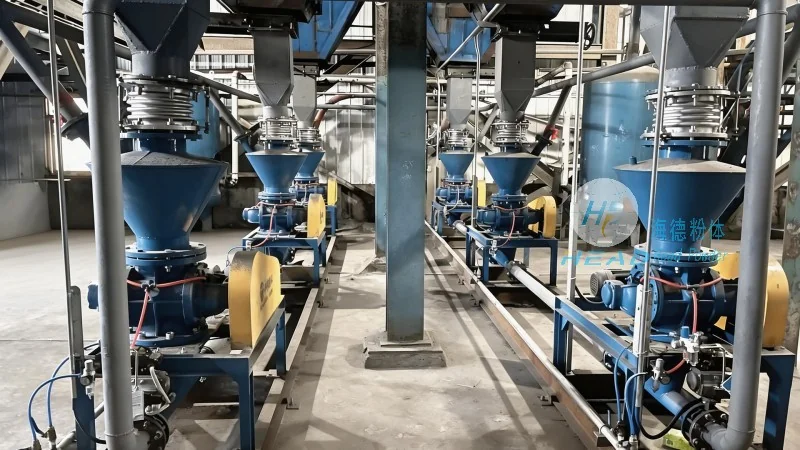
Operation Process of Tungsten Carbide Pneumatic Conveying Lines
The operation of a tungsten carbide pneumatic conveying line begins with the loading of the material into the hopper. Once the hopper is filled, the feeder starts to discharge the material at a predetermined rate. Simultaneously, the air compressor activates, producing a flow of compressed air that enters the pipeline. The compressed air, mixed with the material, creates a slurry-like flow that propels the tungsten carbide particles through the pipeline to the destination point, such as a storage silo or processing unit. The system maintains a consistent air pressure and flow rate to ensure smooth material transport, minimizing blockages and ensuring efficient delivery. At the receiving end, the material is separated from the air using a cyclone separator or filter, and the air is then returned to the system or released safely. The entire process is automated, with sensors and controls monitoring key parameters like pressure, flow rate, and material level to maintain optimal performance.
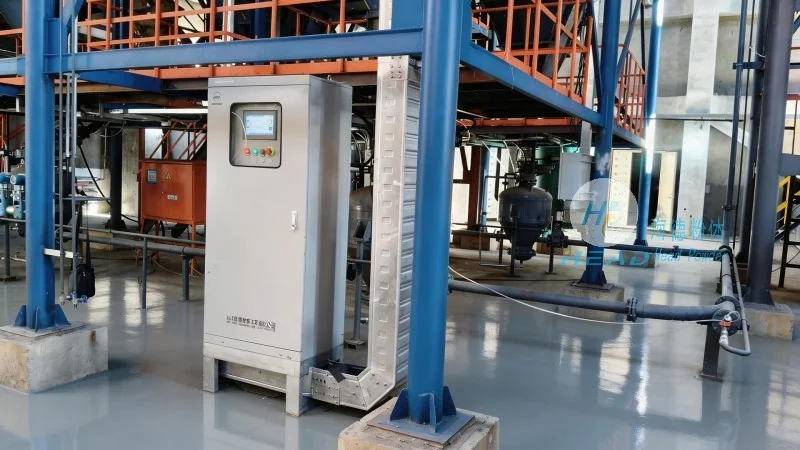
Working Principle of Tungsten Carbide Pneumatic Conveying Lines
The working principle of a tungsten carbide pneumatic conveying line is based on the principle of pneumatic transport, where material is moved by the force of compressed air. The system operates under positive pressure, meaning the air pressure inside the pipeline is higher than the ambient air pressure. This pressure differential creates a driving force that pushes the material particles forward. The velocity of the air and the size of the material particles determine the conveying efficiency. For tungsten carbide, which is a hard, abrasive material, the system is designed to handle these characteristics effectively. The pipeline and components are constructed to withstand the abrasive nature of the material, preventing wear and ensuring long service life. The air flow rate is optimized to prevent material settling or blockages, while maintaining energy efficiency. The dust collection system is integrated to capture any fine particles, ensuring compliance with environmental regulations and maintaining a clean working environment.
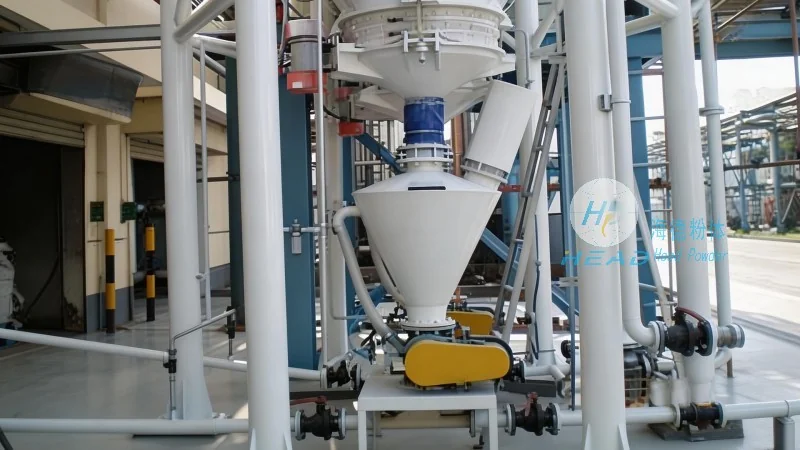
Benefits and Applications of Tungsten Carbide Pneumatic Conveying Lines
Tungsten carbide pneumatic conveying lines offer several advantages over traditional material handling methods, such as belt conveyors or bucket elevators. These systems provide a dust-free and enclosed transport process, which is crucial for handling hazardous or fine materials like tungsten carbide. The enclosed design also reduces material loss and contamination, improving product quality. Additionally, pneumatic conveying systems are flexible and can be easily integrated into existing production lines, allowing for changes in material flow or processing requirements. They are particularly suitable for applications in the mining, metallurgy, and manufacturing industries, where tungsten carbide is used in the production of cutting tools, wear-resistant components, and other high-performance products. The efficiency and reliability of these systems contribute to increased productivity and reduced operational costs, making them a preferred choice for industrial material handling.