

Introduction to Grain Pneumatic Conveying Equipment: Structure and Working Principles
Shandong HeadPowder Engineering Co., Ltd., commonly known as HeadPowder, is a professional manufacturer specializing in the design, development, and production of grain pneumatic conveying equipment. With a focus on innovation and quality, the company has established itself as a key player in the agricultural machinery sector, particularly in providing efficient and reliable solutions for the transportation of bulk grains. This article provides an overview of grain pneumatic conveying equipment, detailing its structural components and operational principles to help readers understand its functionality and benefits.
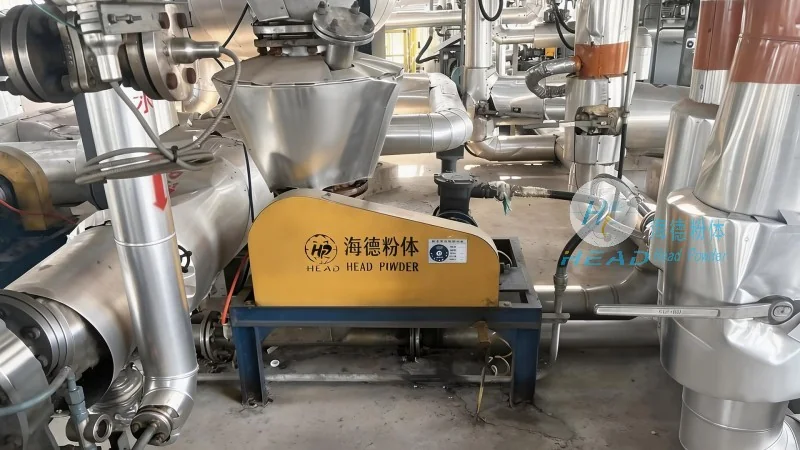
Overview of Grain Pneumatic Conveying Equipment
Grain pneumatic conveying equipment is a critical piece of machinery used in the agricultural and food processing industries to transport bulk grains such as wheat, corn, rice, and other cereals. Unlike traditional mechanical conveyors, pneumatic systems utilize air or gas to move materials through a pipeline network, offering several advantages including reduced labor costs, lower maintenance requirements, and improved hygiene. The primary goal of these systems is to efficiently and safely transfer grains from one location to another within a facility or between different stages of processing, ensuring minimal product loss and contamination.
Key Structural Components of Pneumatic Conveying Systems
The design of a grain pneumatic conveying system involves several interconnected components that work together to achieve the desired material transport. The main structural elements include the feeding system, conveying pipeline, separation and filtration unit, and the air supply system. Each component plays a vital role in the overall operation, and understanding their functions is essential for optimizing the system's performance.
Feeding System: The Entry Point of Material
The feeding system is the first component where bulk grains are introduced into the pneumatic conveying equipment. It typically consists of a hopper or bin that holds the grain, a feeder mechanism (such as a rotary valve or screw feeder), and a transition section that connects the feeder to the conveying pipeline. The feeder's role is to control the flow rate of the grain, ensuring a consistent and controlled supply to the system. This component is crucial as it prevents blockages and maintains the smooth operation of the entire conveying process. The design of the hopper and feeder must consider factors like grain density, flowability, and the need to minimize dust generation during the loading process.
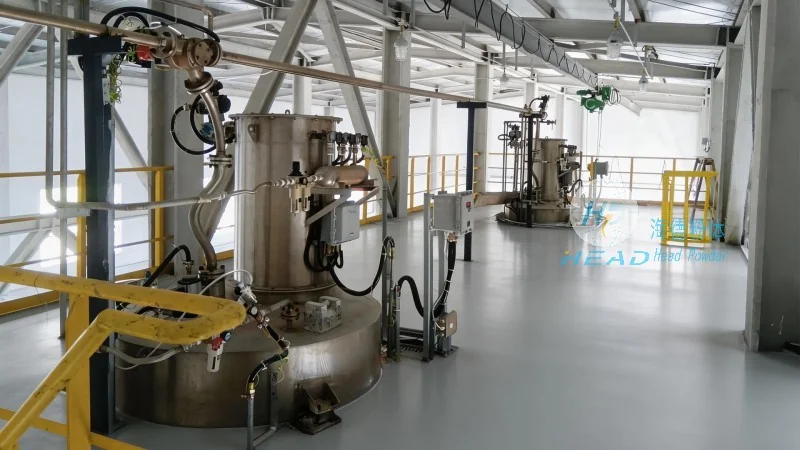
Conveying Pipeline: The Transport Path
The conveying pipeline is the central part of the pneumatic system, responsible for transporting the grain and air mixture through the facility. It is usually made of metal or high-quality plastic, with smooth inner surfaces to reduce friction and prevent material buildup. The pipeline is divided into sections based on the direction of flow, with bends, elbows, and straight runs that are carefully designed to maintain the air velocity necessary for effective grain transport. The diameter of the pipeline is selected based on the material's characteristics, such as particle size and density, to ensure that the air velocity remains within the optimal range for conveying. Proper pipeline design also includes features like supports and clamps to secure the pipe and prevent sagging or movement during operation.
Separation and Filtration Unit: Ensuring Clean Air and Product
The separation and filtration unit is a critical component that separates the grain from the air and cleans the exhaust air. This unit typically consists of a cyclone separator, a bag filter, or a combination of both. The cyclone separator uses centrifugal force to separate larger grain particles from the air stream, while the bag filter captures fine dust and particles, ensuring that the exhaust air meets environmental regulations and does not contaminate the surrounding environment. The separation efficiency of this unit directly impacts the quality of the transported grain, as any residual dust or particles can affect the final product's purity. Regular maintenance of the separation and filtration system is essential to maintain its performance and prevent system downtime.
Air Supply System: Powering the Conveying Process
The air supply system provides the necessary pressure or vacuum to move the grain through the pipeline. It includes a blower or fan, a motor, and a control system that regulates the air flow and pressure. The type of air supply system (positive pressure or negative pressure) depends on the specific application and the distance the grain needs to be transported. Positive pressure systems use a blower to force air into the pipeline, creating a pressure differential that pushes the grain forward. Negative pressure systems, on the other hand, use a vacuum pump to create a suction effect, drawing the grain and air mixture into the pipeline. The selection of the air supply system is based on factors like the required conveying distance, the material's properties, and the desired system efficiency. The motor and control system are designed to operate efficiently, with features like variable speed control to adjust the air flow as needed.
Working Principles of Pneumatic Conveying
The operation of a grain pneumatic conveying system follows a simple yet effective principle: the grain is suspended in a stream of air and transported through the pipeline. The process begins when the feeder introduces the grain into the pipeline, where it is mixed with the air supplied by the blower. The air velocity in the pipeline is maintained at a level that is sufficient to keep the grain particles suspended, preventing them from settling or clogging the system. As the mixture travels through the pipeline, it passes through bends and transitions, with the separation unit capturing the grain at the end of the line. The air, now free of grain particles, is filtered and released back into the environment. The entire process is controlled by the system's control panel, which monitors parameters such as pressure, flow rate, and temperature to ensure optimal operation. The working principle of pneumatic conveying is based on the concept of fluidization, where the grain particles are made to behave like a fluid under the influence of the air stream, allowing for smooth and continuous transport.

Types of Pneumatic Conveying Systems
There are two main types of pneumatic conveying systems used in grain handling: positive pressure and negative pressure systems. Positive pressure systems are commonly used for short to medium conveying distances, typically up to 100 meters, and are suitable for applications where the grain needs to be transported from a lower to a higher elevation. These systems use a blower to create a pressure higher than the ambient air, pushing the grain through the pipeline. Negative pressure systems, on the other hand, are used for longer distances and are suitable for applications where the grain needs to be transported from a higher to a lower elevation. These systems use a vacuum pump to create a suction effect, drawing the grain and air mixture into the pipeline. The choice between positive and negative pressure systems depends on the specific requirements of the application, including the conveying distance, elevation changes, and the type of grain being transported.
Advantages of Grain Pneumatic Conveying Equipment
Grain pneumatic conveying equipment offers several advantages over traditional mechanical conveyors, making it a preferred choice in the agricultural and food processing industries. One of the main advantages is the ability to transport grains in a closed system, which reduces dust and prevents contamination from external sources. This is particularly important for food-grade grains, where hygiene is a critical factor. Another advantage is the flexibility of the system, as it can be easily modified or expanded to accommodate changes in production needs. The system can also be integrated with other processing equipment, such as cleaning, sorting, or packaging machines, to create a seamless production line. Additionally, pneumatic conveying systems require less space compared to traditional conveyors, making them suitable for facilities with limited floor space. The low maintenance requirements and long service life of these systems also contribute to their cost-effectiveness, as they require minimal downtime and replacement parts.
Applications in the Agricultural Industry
Grain pneumatic conveying equipment is widely used in various applications within the agricultural industry. In grain storage facilities, these systems are used to transfer grains from storage bins to processing lines or for loading trucks and containers. In flour mills, pneumatic conveyors are used to transport raw grains to the milling machines and to move the finished flour to storage silos. In feed mills, the equipment is used to convey grains to the mixing and grinding stages, ensuring a consistent and uniform feed product. The versatility of pneumatic conveying systems makes them suitable for a wide range of applications, from small-scale farms to large industrial facilities. The ability to handle different types of grains and adjust the system parameters to suit specific needs makes it a valuable asset for any grain handling operation.