

Introduction to Ceramic Powder Pneumatic Conveying Equipment: Structure and Working Principles
For industrial applications involving the transport of ceramic powders, reliable and efficient pneumatic conveying systems are essential. This article provides an overview of ceramic powder pneumatic conveying equipment, focusing on its structural design and operational principles. The equipment is engineered to handle the unique challenges associated with ceramic powders, ensuring safe, effective, and consistent material transport in various industrial settings.
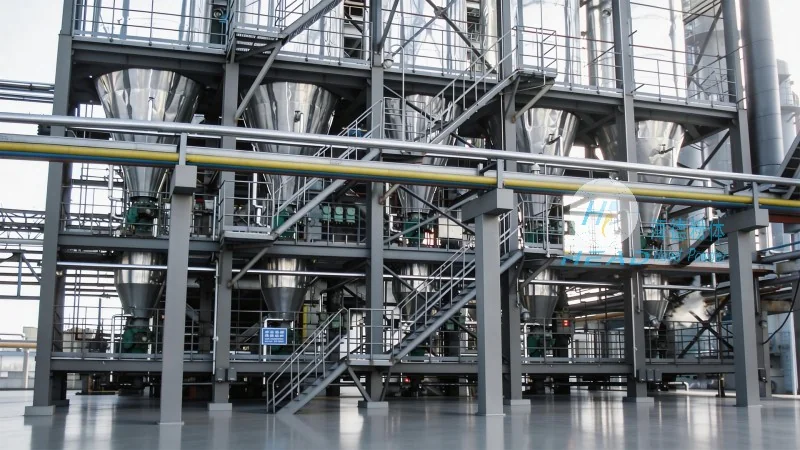
Company Overview: Shandong HeadPowder Engineering Co., Ltd.
HeadPowder, a leading manufacturer in the field of powder handling technology, specializes in the design, development, and production of advanced pneumatic conveying systems. With a strong commitment to quality and innovation, the company has established itself as a trusted partner for industries requiring precise and efficient material transport solutions. HeadPowder's expertise lies in creating customized equipment tailored to the specific needs of clients, ensuring optimal performance and durability in demanding environments.
Understanding Ceramic Powder Pneumatic Conveying
Pneumatic conveying, also known as pneumatic transport, is a method of moving bulk materials through a pipeline using compressed air or other gas. This technology is particularly advantageous for ceramic powders due to their fine particle size, low bulk density, and potential for dust generation. Unlike traditional mechanical conveying methods, pneumatic systems offer advantages such as reduced equipment wear, lower maintenance requirements, and the ability to handle materials in a closed system, minimizing environmental contamination.
Key Components of Ceramic Powder Pneumatic Conveying Equipment
The ceramic powder pneumatic conveying system typically consists of several critical components that work in concert to ensure efficient material transport. These components include the hopper or feeder, the conveying line, the air compressor or blower, and the control system. Each component plays a vital role in the overall operation of the system.
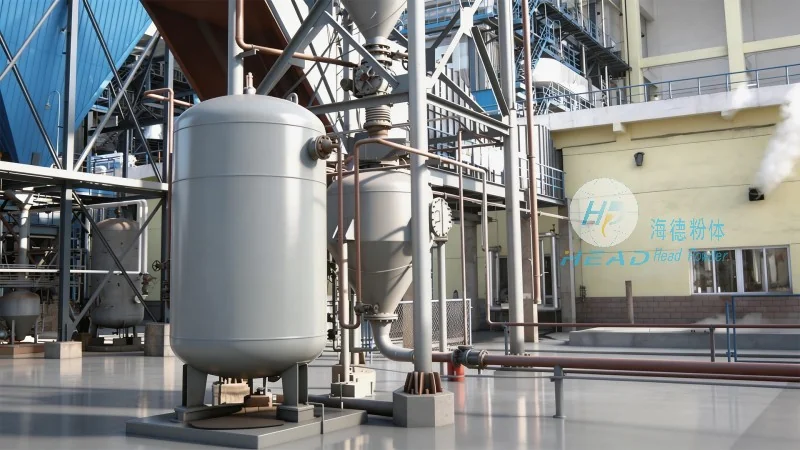
The Hopper and Feeder: Material Storage and Metering
The hopper is the primary storage vessel for the ceramic powder, designed to hold a sufficient quantity of material to support continuous operation. It is equipped with a feeder mechanism, such as a rotary valve or a screw feeder, which regulates the flow of powder into the conveying line. The feeder ensures a consistent and controlled discharge of material, preventing blockages and maintaining stable pressure within the system. The design of the hopper and feeder is crucial for preventing material bridging or agglomeration, which can occur with fine ceramic powders.
The Conveying Line: Transport Pathway
The conveying line is the central component of the pneumatic system, responsible for transporting the ceramic powder from the source to the destination. It is typically made of durable materials such as stainless steel or plastic, chosen for their resistance to corrosion and wear from the abrasive ceramic particles. The line is equipped with bends and elbows to navigate changes in direction, and often includes filters or cyclones to separate the powder from the air at the receiving end. The diameter and length of the conveying line are carefully selected based on the material characteristics and the required transport distance to ensure optimal performance.
The Air Compressor or Blower: Power Source
The air compressor or blower is the energy source that propels the ceramic powder through the conveying line. It generates the necessary pressure and airflow to move the material. The choice of compressor depends on the specific requirements of the application, including the material's density, particle size, and the distance to be conveyed. High-pressure blowers are often used for short-distance transport, while positive displacement compressors are preferred for longer distances or higher material loads. The compressor is equipped with controls to regulate the air pressure and flow, ensuring stable operation and preventing overloading.
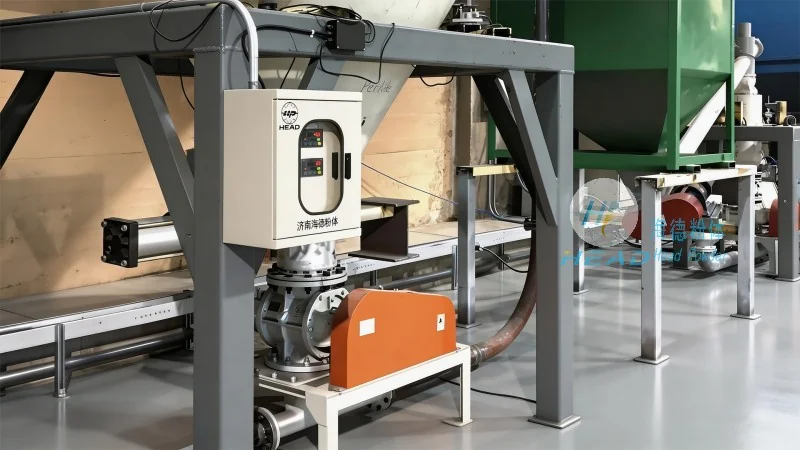
The Control System: Monitoring and Regulation
The control system is responsible for monitoring and regulating the operation of the pneumatic conveying equipment. It includes sensors and controls that monitor parameters such as pressure, flow rate, and material level. The system can be programmed to adjust the feeder speed or compressor output based on real-time conditions, ensuring optimal performance and preventing system failures. Modern control systems often incorporate automation features, allowing for remote monitoring and operation, which enhances efficiency and reduces downtime.
Working Principle: How the System Operates
The operation of the ceramic powder pneumatic conveying system follows a sequential process. First, the feeder releases a controlled amount of ceramic powder into the conveying line. Simultaneously, the air compressor supplies compressed air into the line. The air and powder mixture travels through the pipeline, with the air providing the necessary force to move the powder. At the receiving end, a cyclone or filter separates the powder from the air, allowing the powder to be deposited into the target container. The air is then either recirculated or vented, depending on the system design. This continuous cycle ensures efficient and uninterrupted material transport.
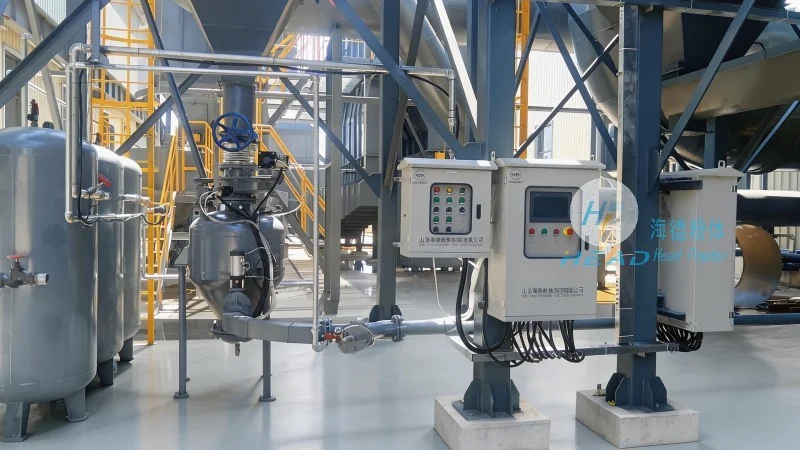
Advantages of Ceramic Powder Pneumatic Conveying Equipment
Implementing a pneumatic conveying system for ceramic powders offers several advantages over traditional methods. These include reduced labor costs due to automated operation, improved product quality through minimized exposure to contaminants, and enhanced safety by eliminating manual handling of powders. The closed system design also helps in maintaining a clean and dust-free environment, which is critical in industries where product purity is paramount. Additionally, the flexibility of pneumatic systems allows for easy integration with existing production lines and the ability to transport materials over long distances without the need for intermediate storage.
Applications in Various Industries
Ceramic powder pneumatic conveying equipment is widely used across multiple industries due to its versatility and efficiency. In the ceramics and glass manufacturing industries, it is used to transport raw materials such as clay, feldspar, and silica to production lines. In the pharmaceutical and food industries, it is employed to handle fine powders that require strict contamination control. The automotive and aerospace industries also utilize these systems for transporting ceramic powders used in coatings and composites. The adaptability of the equipment makes it suitable for a wide range of applications, from small-scale laboratory operations to large-scale industrial production.
Conclusion: The Importance of Reliable Pneumatic Conveying
As industries continue to demand higher efficiency and precision in material handling, ceramic powder pneumatic conveying equipment remains a critical solution. The combination of advanced structural design and operational principles ensures that these systems can handle the unique challenges of ceramic powders while providing reliable and consistent performance. With a focus on quality and innovation, companies like Shandong HeadPowder Engineering Co., Ltd. continue to develop and improve pneumatic conveying systems, meeting the evolving needs of modern industries. By investing in reliable pneumatic conveying equipment, businesses can enhance their operational efficiency, improve product quality, and ensure compliance with industry standards.