

Introduction to Hydrated Lime Powder Pneumatic Conveying Equipment: Structure and Working Principle
Hydrated lime powder, also known as calcium hydroxide powder, is a widely used industrial material in various sectors such as construction, chemical processing, and environmental treatment. The efficient and safe transportation of this fine powder is crucial for industrial operations, and pneumatic conveying systems have emerged as a reliable solution. This article provides an overview of the pneumatic conveying equipment designed for hydrated lime powder, focusing on its structural design and operational principles.
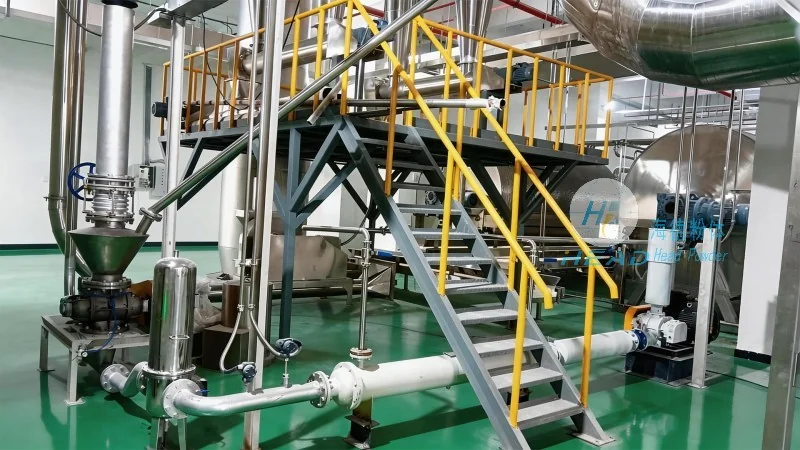
Overview of Pneumatic Conveying Systems for Hydrated Lime Powder
HeadPowder, a leading manufacturer based in Shandong, China, specializes in the design and production of advanced pneumatic conveying equipment tailored for handling fine powders like hydrated lime. The company's expertise lies in developing systems that ensure minimal product degradation, high transfer efficiency, and compliance with industrial safety standards. The equipment is engineered to handle the unique properties of hydrated lime powder, which includes its fine particle size, hygroscopic nature, and potential for dust generation during handling.
Structural Components of the Pneumatic Conveying Equipment
The pneumatic conveying system for hydrated lime powder typically consists of several key components that work in tandem to achieve effective material transport. The primary components include the hopper, feeder, conveying pipeline, air compressor, and dust collection system. Each component plays a critical role in the overall functionality of the system.
The hopper is the initial storage unit where the hydrated lime powder is stored before being fed into the system. It is designed with a conical or rectangular shape to facilitate uniform material flow and prevent clogging. The hopper is equipped with a discharge valve or a rotary valve that controls the flow rate of the powder into the feeder. The feeder, often a screw or a rotary valve, ensures a consistent and controlled feed of the powder into the conveying pipeline, maintaining a stable flow rate to prevent surges or blockages.
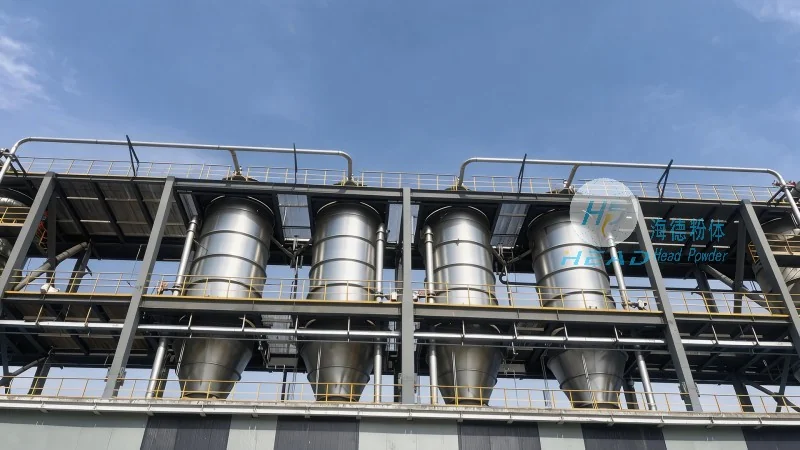
The conveying pipeline is a crucial part of the system, responsible for transporting the powder through the air stream. The pipeline is usually made of stainless steel or other corrosion-resistant materials to withstand the chemical properties of hydrated lime and prevent material buildup. The design of the pipeline includes bends and elbows that are carefully engineered to minimize pressure losses and maintain the velocity of the air-powder mixture. The air compressor provides the necessary pressure and volume of air to create the air stream that propels the powder particles through the pipeline. The compressor is typically a positive displacement type, such as a rotary screw or a piston compressor, which can deliver the required air volume and pressure at a stable rate.
The dust collection system is an essential component for maintaining environmental safety and product quality. It is designed to capture any airborne particles that may escape from the conveying system and return them to the hopper or a storage container. The system typically includes a cyclone separator or a bag filter that efficiently separates the powder from the air stream, ensuring that the powder is not lost and that the air is cleaned before being discharged.
Working Principle of the Pneumatic Conveying System
The operation of the pneumatic conveying system for hydrated lime powder involves the creation of an air stream that carries the powder particles through the pipeline. The process begins with the powder being fed from the hopper into the feeder, which then introduces the powder into the conveying pipeline. The air compressor then supplies compressed air into the pipeline, creating a high-velocity air stream that entrains the powder particles. The air-powder mixture travels through the pipeline, passing through bends and elbows, and is eventually discharged into the receiving hopper or container at the end of the system.
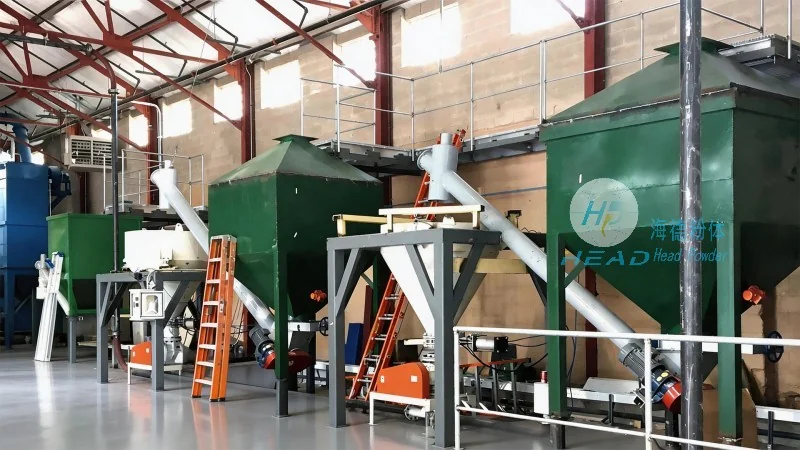
The velocity of the air stream is critical in determining the efficiency of the conveying process. The air velocity must be high enough to overcome the gravitational forces acting on the powder particles and to maintain the powder in suspension. If the air velocity is too low, the powder particles may settle and cause blockages in the pipeline. Conversely, if the air velocity is too high, it can lead to excessive energy consumption and potential damage to the equipment. The optimal air velocity is determined based on the particle size, density, and flow rate of the hydrated lime powder, as well as the length and diameter of the conveying pipeline.
The system operates on the principle of fluidization, where the powder particles are suspended in the air stream and behave like a fluid. This allows for the efficient transportation of the powder over long distances and at high speeds. The pneumatic conveying system is particularly advantageous for hydrated lime powder because it eliminates the need for mechanical components like belts or buckets, which can cause wear and tear and introduce contaminants into the product.
Advantages of Using Pneumatic Conveying Equipment for Hydrated Lime Powder
There are several advantages to using pneumatic conveying equipment for the transportation of hydrated lime powder. One of the primary benefits is the high transfer efficiency, which allows for the movement of large quantities of powder over long distances with minimal loss. The system also ensures that the powder remains in a dry and clean state, preventing moisture absorption and contamination. Additionally, the equipment is designed to minimize product degradation, which is crucial for maintaining the quality of hydrated lime powder, especially in applications where the powder is used for chemical reactions or as a raw material.
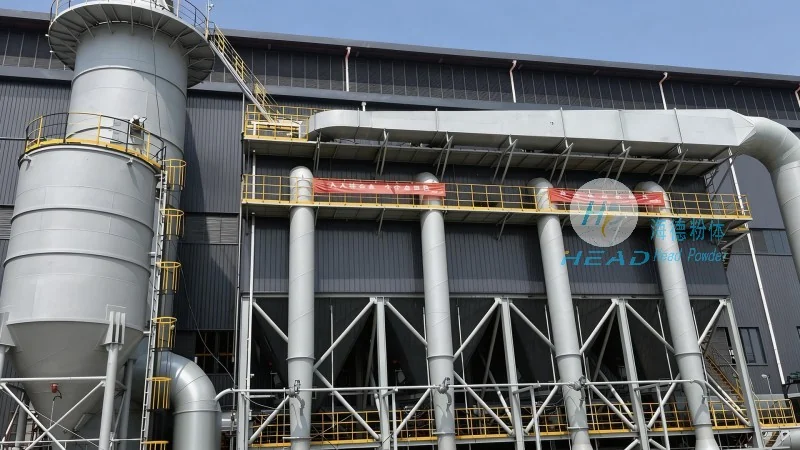
Another advantage is the flexibility of the system, which can be easily adapted to different production requirements. The conveying pipeline can be extended or modified to accommodate changes in production volume or layout, and the system can be integrated with other industrial processes, such as mixing or packaging. The equipment also offers improved safety compared to traditional methods of powder handling, such as manual handling or bucket elevators, as it reduces the risk of dust explosions and exposure to airborne particles.
Furthermore, the pneumatic conveying system is energy-efficient and cost-effective in the long run. Although the initial investment may be higher than traditional methods, the system reduces labor costs and minimizes product loss, leading to overall cost savings. The system also requires less maintenance compared to mechanical conveying systems, as there are fewer moving parts that can wear out or break.
Conclusion
In conclusion, the pneumatic conveying equipment designed for hydrated lime powder is a highly effective and reliable solution for industrial transportation needs. The system's structural design, which includes the hopper, feeder, conveying pipeline, air compressor, and dust collection system, ensures efficient and safe handling of the fine powder. The working principle, based on the creation of an air stream that entrains the powder particles, allows for high transfer efficiency and minimal product degradation. HeadPowder, with its expertise in manufacturing such equipment, provides industrial users with a robust solution that meets the demands of modern production processes. The use of pneumatic conveying systems not only improves operational efficiency but also enhances safety and product quality, making it an ideal choice for handling hydrated lime powder in various industrial applications.