

Introduction to Multi-Hopper Pneumatic Conveying Systems: Structure and Working Principles
Multi-hopper pneumatic conveying systems represent advanced industrial solutions for the efficient transport of bulk materials over extended distances. These systems are engineered to handle a wide variety of materials, including powders, granules, and fine particles, while maintaining product integrity and operational efficiency. The technology behind these systems combines pneumatic principles with sophisticated control mechanisms to deliver reliable material handling capabilities across diverse industries.
About the Company
HeadPowder, a prominent entity in the material handling equipment sector, specializes in the design, manufacturing, and deployment of multi-hopper pneumatic conveying systems. With a strong focus on innovation and quality, HeadPowder has built a reputation as a trusted provider of customized solutions tailored to client-specific needs. The company is headquartered in Shandong, China, and serves a global clientele, offering systems that integrate seamlessly with existing production workflows and adhere to stringent industry standards.
Overview of Multi-Hopper Pneumatic Conveying Systems
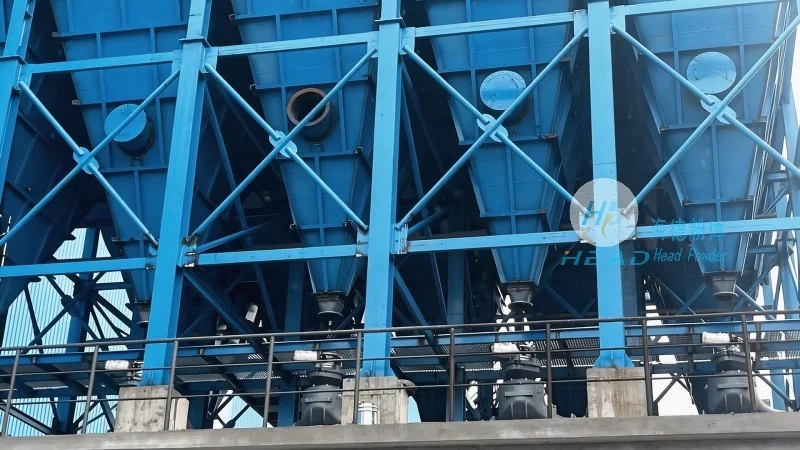
At the heart of a multi-hopper pneumatic conveying system is the multi-hopper unit, which houses multiple individual hoppers. Each hopper is designed to store a distinct type of bulk material, enabling simultaneous or sequential feeding into a single conveying line. This modular design enhances operational flexibility, allowing for the mixing or separate transport of different materials as required by production processes. The system typically comprises air compressors, conveying pipelines, material feeders, and a centralized control panel, all integrated to ensure smooth and controlled material transfer.
Structural Components and Working Principles
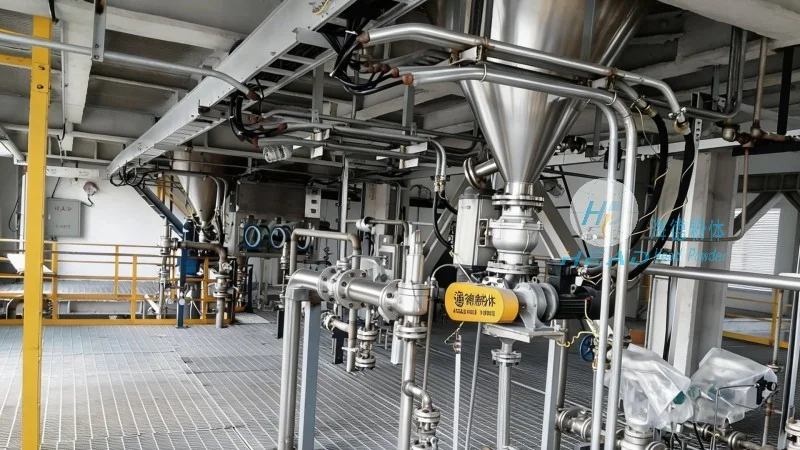
The structural layout of a multi-hopper pneumatic conveying system is optimized for performance and reliability. The multi-hopper unit features individual discharge valves and feed mechanisms that regulate material flow into the conveying pipeline. Air compressors generate the necessary pressure to propel the material through the pipeline, while the pipeline itself is configured with appropriate bends, fittings, and cleaning ports to accommodate material characteristics and prevent blockages. The control panel monitors system parameters such as pressure, flow rate, and hopper levels, providing real-time feedback and automated adjustments to maintain consistent operation.
Key Advantages of Multi-Hopper Pneumatic Conveying Systems
Multi-hopper pneumatic conveying systems offer several distinct advantages over conventional material handling methods. These include reduced labor costs due to automated operation, minimized material contamination and degradation through enclosed transport, and enhanced workplace safety by eliminating manual handling of bulk materials. Additionally, the systems are highly adaptable, supporting integration with existing production lines and the ability to handle diverse material types—from food ingredients to industrial chemicals—with equal efficiency. Their compact design also allows for installation in space-constrained environments without compromising performance.
Applications and Industries
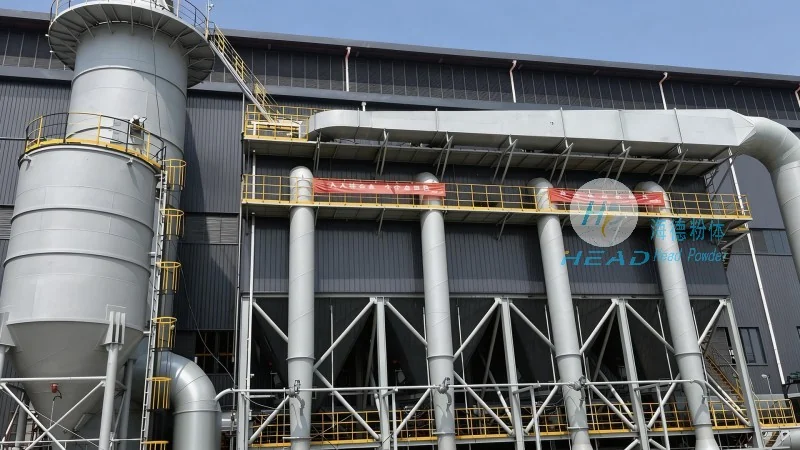
Multi-hopper pneumatic conveying systems find widespread application across multiple industries. In the food and beverage sector, they are utilized for transporting ingredients like flour, sugar, and spices while maintaining strict hygiene and product quality standards. The pharmaceutical industry relies on these systems to ensure the safe and sterile transport of raw materials and finished products, adhering to GMP (Good Manufacturing Practice) guidelines. The chemical industry benefits from their ability to handle corrosive or abrasive materials without equipment damage, while mining and mineral processing operations use them to transport ore and other bulk materials from processing plants to storage or shipping facilities.
Installation and Maintenance Considerations
Proper installation and regular maintenance are critical to the long-term performance and reliability of multi-hopper pneumatic conveying systems. Installation requires careful planning to align the system with production line layouts and ensure all components are securely mounted. Regular maintenance involves monitoring air compressor performance, inspecting conveying pipelines for blockages or wear, and servicing the multi-hopper unit's feed mechanisms. HeadPowder provides comprehensive support, including installation guidance, maintenance protocols, and technical assistance, to help clients achieve maximum system efficiency and extend equipment lifespan.