

Introduction to High-Pressure Pulse Pneumatic Conveying Systems: Structure and Working Principles
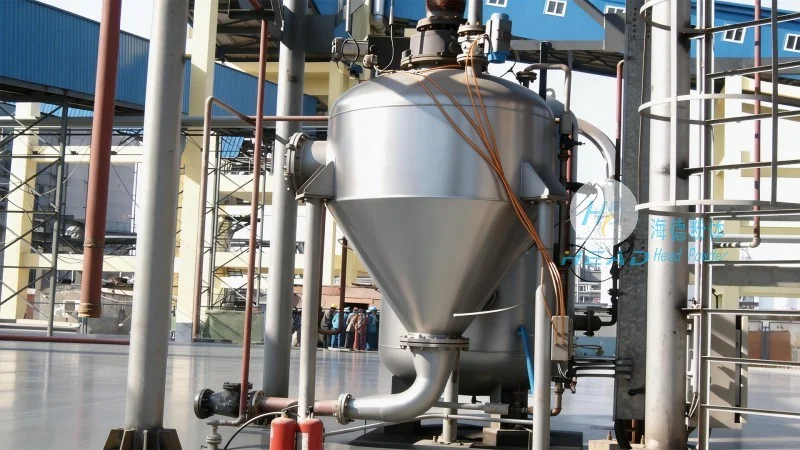
High-pressure pulse pneumatic conveying systems represent a sophisticated technology for material handling, widely utilized in various industrial sectors to transport bulk materials efficiently over long distances. This article provides an overview of the system's structure and operational principles, highlighting key components and their functions. The information is presented by Shandong HeadPowder Engineering Co., Ltd., a leading manufacturer based in Shandong, China.
Company Overview
Shandong HeadPowder Engineering Co., Ltd., commonly known as headpowder, is a professional enterprise specializing in the research, development, and production of pneumatic conveying equipment. With a strong focus on innovation and quality, the company has established itself as a reliable partner in the material handling industry. Headquartered in Shandong, China, headpowder leverages decades of experience to deliver customized solutions tailored to diverse industrial needs.
Introduction to High-Pressure Pulse Pneumatic Conveying Systems
High-pressure pulse pneumatic conveying systems are designed to transport bulk materials such as powders, granules, and fine particles through a pipeline using compressed air. The system operates on the principle of creating a pressure differential to move material from the source to the destination. Unlike traditional pneumatic conveying methods, high-pressure pulse systems utilize higher air pressures, typically ranging from 0.5 to 1.0 MPa, which enhances material transport efficiency and reduces energy consumption.
Key Structural Components
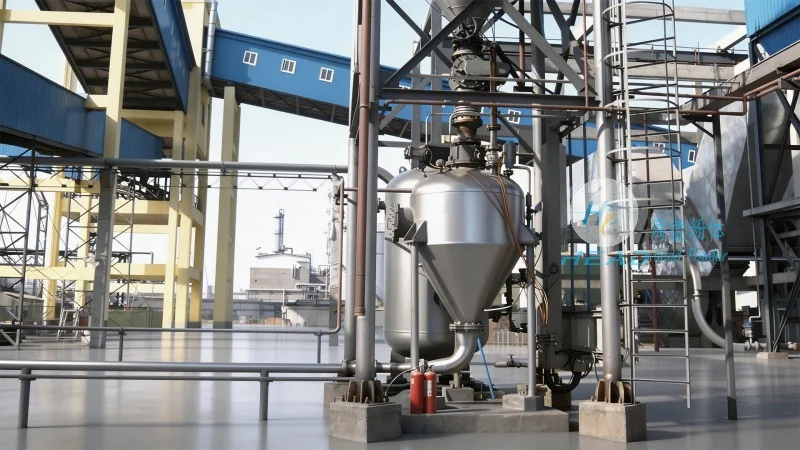
The high-pressure pulse pneumatic conveying system consists of several critical components that work in tandem to ensure smooth material transport. These include the air compressor, pulse controller, conveying pipeline, material hopper, and receiver. Each component plays a vital role in the overall functionality of the system.
Working Principle of the System
The operation of a high-pressure pulse pneumatic conveying system involves a sequence of steps. Initially, the material is fed into the material hopper from the source. The air compressor then supplies compressed air to the conveying pipeline, maintaining a consistent pressure. The pulse controller periodically releases short bursts of high-pressure air, creating pressure pulses that propel the material forward. As the material travels through the pipeline, it is accelerated and transported to the receiver, where it is collected. The system's design ensures minimal material degradation and efficient transport, even for materials with varying properties.
Advantages of High-Pressure Pulse Pneumatic Conveying
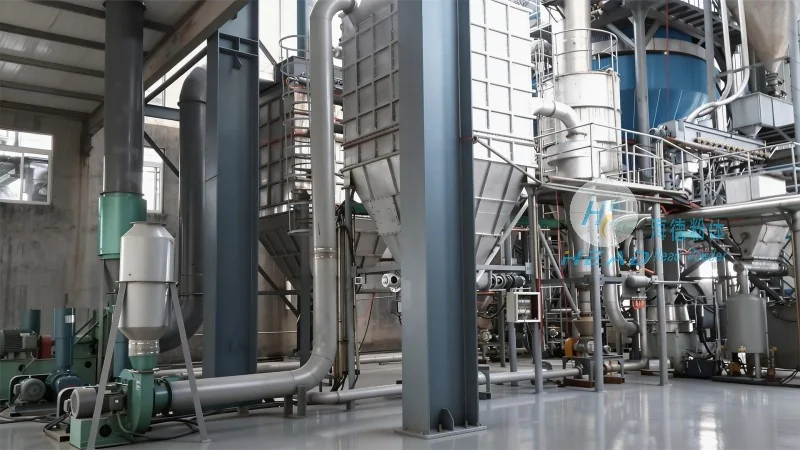
High-pressure pulse pneumatic conveying systems offer several advantages over conventional methods. These include the ability to transport materials over long distances with minimal pressure drop, reduced energy consumption due to higher efficiency, and the capability to handle a wide range of materials, including those that are abrasive or sensitive. Additionally, the system is relatively compact and easy to install, making it suitable for various industrial applications.
Applications in Industrial Settings
High-pressure pulse pneumatic conveying systems are widely used in industries such as food processing, pharmaceuticals, chemicals, and mining. In food processing, the system is employed to transport ingredients like flour, sugar, and spices, ensuring hygienic and efficient handling. In the pharmaceutical industry, the system is used to convey active pharmaceutical ingredients (APIs) and other sensitive materials, maintaining strict contamination control. In the chemical industry, the system handles various powders and granules, including catalysts and reagents, with precision and reliability. In mining operations, the system is utilized to transport ore and other bulk materials from processing plants to storage facilities.
Maintenance and Operational Considerations
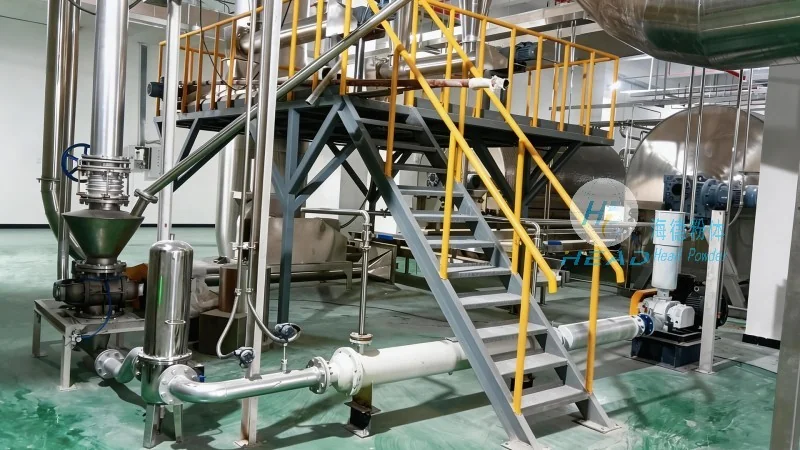
Proper maintenance is essential to ensure the optimal performance and longevity of high-pressure pulse pneumatic conveying systems. Regular checks of the air compressor, pulse controller, and pipeline for leaks are crucial. Additionally, cleaning the system periodically to remove accumulated material and prevent blockages is necessary. Operational considerations include monitoring air pressure and flow rates to maintain consistent material transport. By adhering to these maintenance and operational guidelines, users can maximize the system's efficiency and minimize downtime.
Conclusion
High-pressure pulse pneumatic conveying systems represent a highly effective solution for bulk material transport in industrial applications. With their efficient design and reliable performance, these systems offer significant advantages over traditional methods. As a leading manufacturer, Shandong HeadPowder Engineering Co., Ltd. continues to innovate and provide high-quality pneumatic conveying equipment to meet the evolving needs of the industry.