Dust and powder conveying systems are critical industrial equipment designed to transport bulk dry materials such as powders, granules, and fine particles from a source to a destination. These systems are widely used across sectors including pharmaceuticals, food processing, chemical manufacturing, and mining. Their primary function is to ensure efficient, safe, and consistent material flow while minimizing product degradation, contamination, and operational hazards. Understanding the core components and operational principles is essential for optimizing performance and maintaining quality standards in industrial processes.
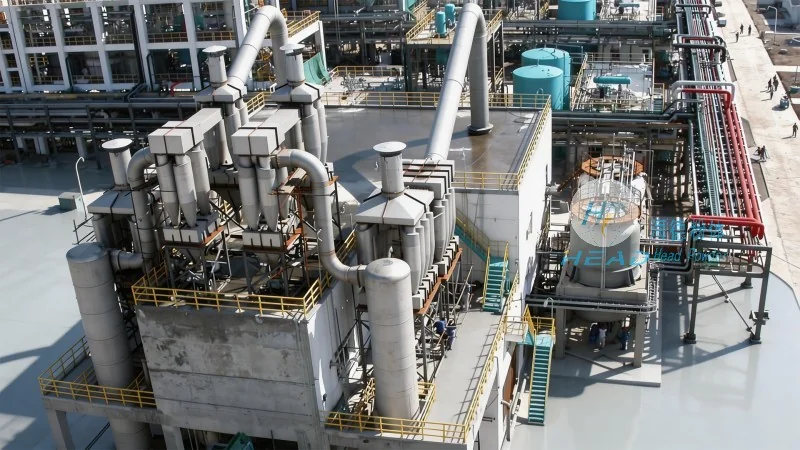
At the core of any dust and powder conveying system are several interdependent components that enable material transport. The main elements include the feed hopper, which stores the material and regulates the discharge rate; the conveyor mechanism, which can be pneumatic or mechanical; and control systems that monitor and adjust operation. The feed hopper is typically equipped with a sloped bottom to prevent material bridging and ensure uniform feeding. It may incorporate a rotary valve or feeder to precisely control the material flow. The conveyor itself—whether a pneumatic duct system, screw conveyor, or belt conveyor—transports the material through the system. Pneumatic systems utilize compressed air to create a pressure differential, drawing material into a sealed pipe. Mechanical systems rely on physical force, such as the rotation of a screw or movement of a belt, to push material forward. Control devices like pressure regulators and flow meters maintain optimal system performance.
The operational principles of dust and powder conveying systems vary by type but share the goal of moving dry materials efficiently. Pneumatic conveying systems operate by generating a pressure differential between the inlet and outlet. Compressed air is introduced, creating a flow that draws material into the duct and transports it to the discharge point. The air velocity must be sufficient to overcome material weight and friction within the pipe. Mechanical systems, such as screw conveyors, use a rotating screw to push material forward. The screw's pitch and diameter determine conveying capacity and pressure on the material. Belt conveyors employ a moving belt, guided by idlers and pulleys, to transport material horizontally or at inclines. The choice of system depends on factors like material properties, distance, and required flow rate.
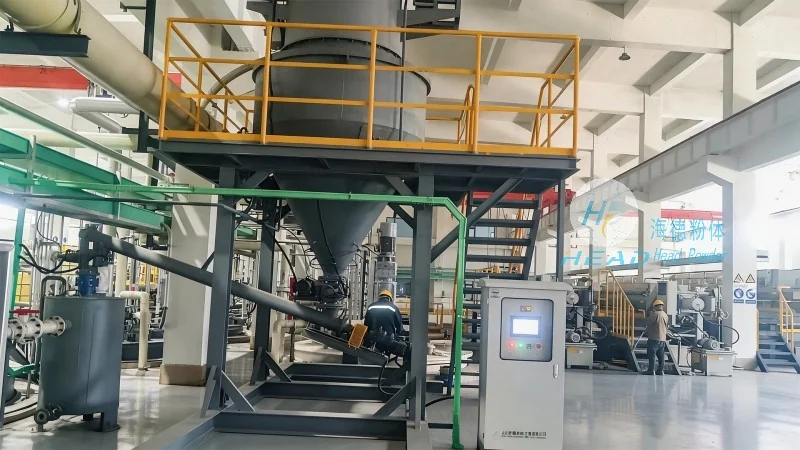
The structural design of dust and powder conveying systems is critical for durability, efficiency, and safety. Components must be constructed from materials resistant to corrosion, wear, and chemical exposure, tailored to the material being conveyed. For instance, systems handling corrosive chemicals may use stainless steel or specialized alloys, while food processing systems use food-grade materials. The design also considers layout, including bends, vertical lifts, and horizontal runs. Bends and vertical sections require higher air velocity or mechanical force to prevent material settling or blockages. System size and capacity are determined by material bulk density, flow rate, and distance. Proper sealing and regular maintenance are essential to prevent leakage and ensure long-term performance.
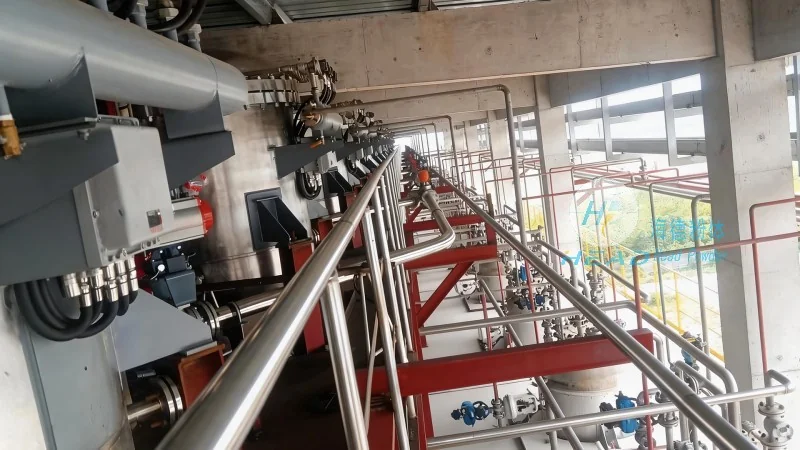
Dust and powder conveying systems are versatile and widely applied in industries due to their efficiency and reliability. In the pharmaceutical sector, they transport active ingredients and excipients with precision, ensuring consistent dosing and preventing contamination. In food processing, they handle ingredients like flour, sugar, and spices, maintaining hygiene and product quality. In chemical manufacturing, they move raw materials and intermediates, supporting continuous production. Key benefits include reduced labor costs, enhanced safety by minimizing manual handling, and improved product quality through consistent flow and minimal degradation. Modern systems can integrate with automation and control technologies for real-time monitoring and performance optimization.
In conclusion, dust and powder conveying systems are sophisticated industrial solutions designed to handle bulk dry materials efficiently and safely. By understanding the key components, operating principles, and structural considerations, users can select and operate these systems effectively. Their ability to maintain product integrity, ensure consistent flow, and reduce operational risks makes them indispensable in modern industrial applications. As technology advances, these systems continue to evolve with advanced materials and control systems, meeting the growing demands of various industries.

 Shandong Headpowder Engineering Co., Ltd.
 156-6277-7102(Manager Zhang)
  0531-83386006
  Jinan City, Shandong Province, China
telephone
WeChatconsult
top