

What Are the Methods for Transporting Clay Ash? An Overview of the Advantages and Features of Clay Ash Pneumatic Conveying
Clay ash, a byproduct often generated in industrial processes such as cement production and mineral processing, requires efficient handling and transport to optimize operational workflows. Among the various methods available for material transport, pneumatic conveying stands out as a versatile and effective solution for clay ash. This article explores the different approaches to clay ash transport and highlights the key advantages of pneumatic conveying systems, providing insights into how these technologies enhance material handling efficiency.
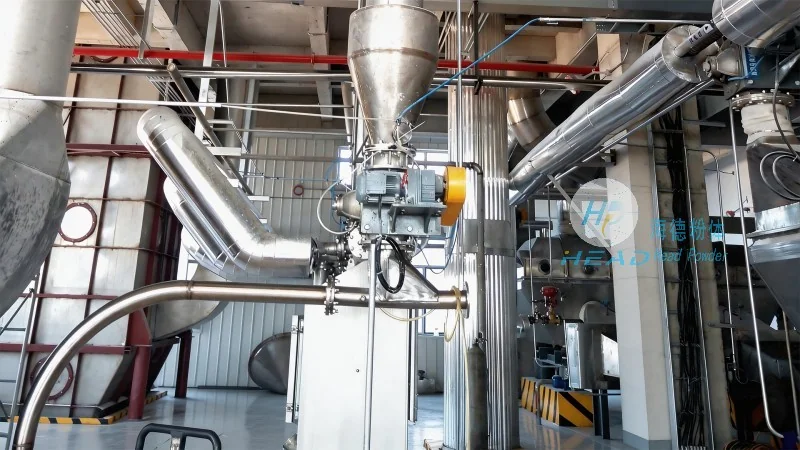
Introduction to Clay Ash and Conveying Methods
Clay ash, also known as fly ash or bottom ash depending on its origin, is a fine particulate material that poses unique challenges during transport due to its dustiness and potential for caking. Traditional transport methods like belt conveyors or screw conveyors may struggle with the abrasive and cohesive nature of clay ash, leading to equipment wear, blockages, and reduced throughput. In contrast, pneumatic conveying systems utilize air pressure to move materials through pipelines, offering a non-contact, low-maintenance approach to handling such materials. The choice of transport method significantly impacts operational costs, safety, and overall productivity in industrial settings.
Understanding the Importance of Efficient Clay Ash Transport
Efficient clay ash transport is critical for maintaining consistent production rates and minimizing downtime in industrial facilities. Inadequate transport systems can result in material loss, increased maintenance expenses, and environmental compliance issues. For example, in cement plants, clay ash is often used as a raw material in the production of clinker, making reliable transport essential for process continuity. Similarly, in power generation facilities, the proper handling of clay ash is vital for waste management and environmental sustainability. Therefore, selecting the right transport method is a strategic decision that directly influences the economic viability and operational performance of industrial operations.
Pneumatic Conveying as a Preferred Solution for Clay Ash Handling
Pneumatic conveying has emerged as a preferred solution for clay ash transport due to its ability to handle fine, abrasive materials without the need for mechanical contact. Unlike mechanical conveyors, which rely on moving parts that can wear down over time, pneumatic systems use air to move materials through sealed pipelines, reducing the risk of material degradation and equipment failure. This non-contact approach also minimizes the risk of cross-contamination and ensures that the material remains in its original state, which is particularly important for clay ash used in high-value applications such as concrete production or industrial ceramics.
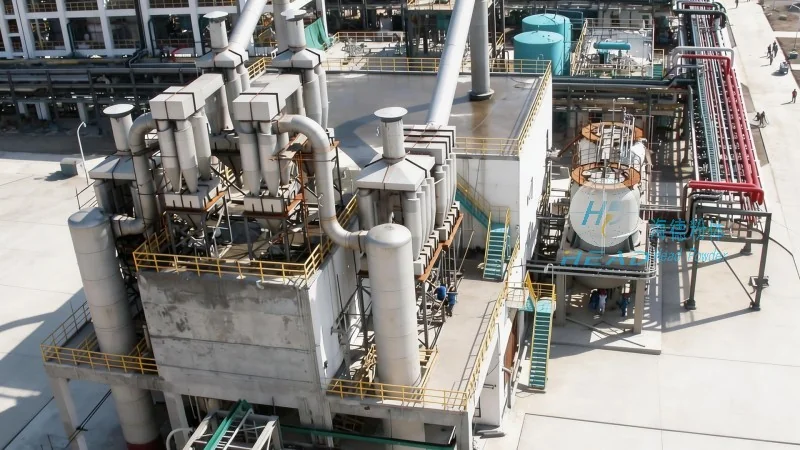
Key Advantages of Clay Ash Pneumatic Conveying
The advantages of pneumatic conveying for clay ash are multifaceted, encompassing operational efficiency, cost-effectiveness, and environmental benefits. One of the primary benefits is the ability to transport materials over long distances with minimal energy consumption. Unlike mechanical conveyors that require continuous power to move materials, pneumatic systems use compressed air, which can be more energy-efficient for certain applications. Additionally, pneumatic conveying reduces the need for frequent maintenance, as there are fewer moving parts and less wear on components. This leads to lower operational costs and increased uptime for industrial facilities.
Another key advantage is the flexibility of pneumatic systems. They can be easily integrated into existing production lines and adapted to changing operational requirements. For instance, a pneumatic conveying system can be expanded or reconfigured to accommodate increased production volumes or new material sources without significant modifications to the infrastructure. This adaptability makes pneumatic conveying a cost-effective solution for facilities that anticipate growth or changes in their material handling needs.
Technical Features and Operational Benefits
Pneumatic conveying systems for clay ash typically include components such as air compressors, material feeders, conveying lines, and dust collectors. The air compressor provides the necessary pressure to move materials through the pipeline, while the material feeder ensures a consistent flow of clay ash into the system. The conveying lines are designed to handle the specific characteristics of clay ash, such as particle size and moisture content, to prevent blockages and ensure smooth operation. Dust collectors are often included to capture and filter the fine particles, improving air quality and reducing environmental impact.
Operational benefits of pneumatic conveying include improved safety and reduced labor costs. Since the material is transported through sealed pipelines, there is minimal exposure to workers, reducing the risk of respiratory issues or other health hazards associated with handling fine particulate materials. Additionally, the automated nature of pneumatic systems reduces the need for manual labor, leading to lower labor costs and increased productivity. These benefits make pneumatic conveying an attractive option for facilities looking to enhance their material handling processes while maintaining safety and efficiency.
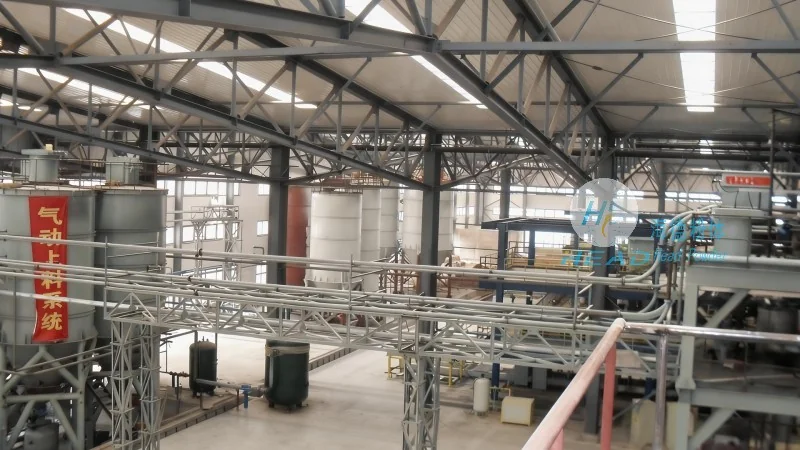
Application Scenarios and Practical Implementation
Pneumatic conveying is widely used in various industrial applications involving clay ash, including cement production, power generation, and mineral processing. In cement plants, clay ash is often transported from storage silos to the raw material preparation area, where it is mixed with other raw materials before being fed into the kiln. The pneumatic system ensures that the clay ash is delivered consistently and without contamination, contributing to the quality of the final cement product. In power generation facilities, clay ash is typically transported from the boiler to the ash handling system, where it is either recycled or disposed of in a controlled manner. The efficiency of the pneumatic conveying system directly impacts the overall performance of the power plant, as it affects the availability of the boiler and the environmental compliance of the facility.
Implementing a pneumatic conveying system for clay ash requires careful planning and design to ensure optimal performance. Factors such as the distance to be covered, the volume of material to be transported, and the characteristics of the clay ash (e.g., particle size, moisture content) must be considered when selecting the appropriate system configuration. For example, a low-pressure system may be suitable for short distances and low-volume applications, while a high-pressure system is better suited for long distances and high-volume transport. The choice of system also depends on the specific operational requirements of the facility, such as the need for continuous or intermittent operation.
Company Profile: Shandong HeadPowder Engineering Co., Ltd.
Shandong HeadPowder Engineering Co., Ltd., a leading provider of material handling solutions, specializes in the design, manufacturing, and installation of pneumatic conveying systems for industrial applications. With a focus on innovation and customer satisfaction, the company has developed advanced technologies to address the unique challenges of clay ash transport. HeadPowder's expertise in pneumatic conveying systems ensures that clients receive tailored solutions that meet their specific operational needs and enhance their overall productivity. The company's commitment to quality and reliability has made it a trusted partner for facilities seeking efficient and effective material handling solutions. Located in Shandong, China, HeadPowder leverages its local expertise and resources to deliver high-quality products and services to clients worldwide.