

Types of Calcined Ash Conveying Methods: An Overview of Pneumatic Conveying Advantages and Features
When it comes to transporting calcined ash, selecting the right conveying method is crucial for efficiency, cost-effectiveness, and operational safety. Various options exist, but pneumatic conveying has emerged as a preferred solution for many industrial applications. This article explores the different calcined ash conveying methods available and highlights the key advantages and features of pneumatic conveying, as presented by Shandong HeadPowder Engineering Co., Ltd., a leading provider in the field.
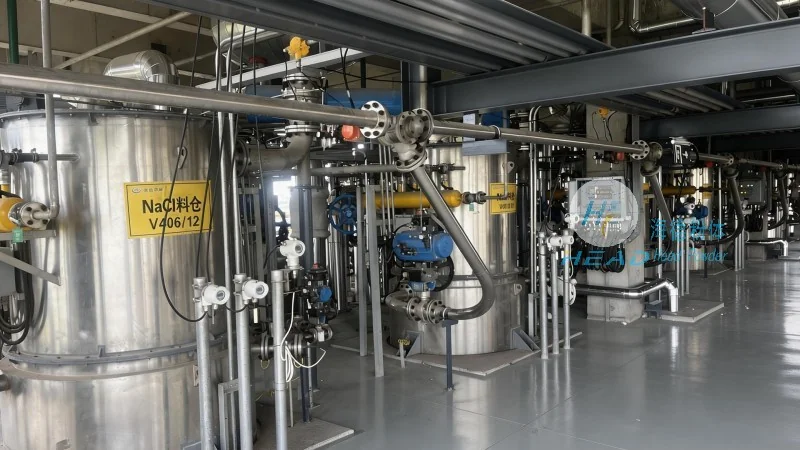
Understanding Calcined Ash and Conveying Challenges
Calcined ash, also known as calcined gypsum or calcium sulfate hemihydrate, is a byproduct of the calcination process used in the production of gypsum products. It is typically a fine, dry powder with specific physical properties that can pose challenges during transportation. Traditional methods like belt conveyors or screw conveyors may struggle with material handling due to the fine particle size, potential for dust generation, and the need for consistent flow. These challenges highlight the importance of choosing an appropriate conveying system that can maintain material integrity and operational efficiency.
Common Calcined Ash Conveying Methods
Several methods are employed for calcined ash transportation, each with its own set of applications and limitations. The primary options include:
- Gravity Conveying: This method relies on the natural slope of the material to move it from one point to another. While simple and low-cost, it is limited by the need for a suitable incline and is not suitable for long distances or vertical lifts.
- Belt Conveyors: Widely used in bulk material handling, belt conveyors transport calcined ash using a continuous belt. They are effective for horizontal and slight incline applications but may experience issues with material buildup and dust control, especially with fine powders.
- Screw Conveyors: These conveyors use a rotating screw to move material along a tube or trough. They are suitable for moderate distances and can handle dry powders, but they are prone to clogging and require regular maintenance.
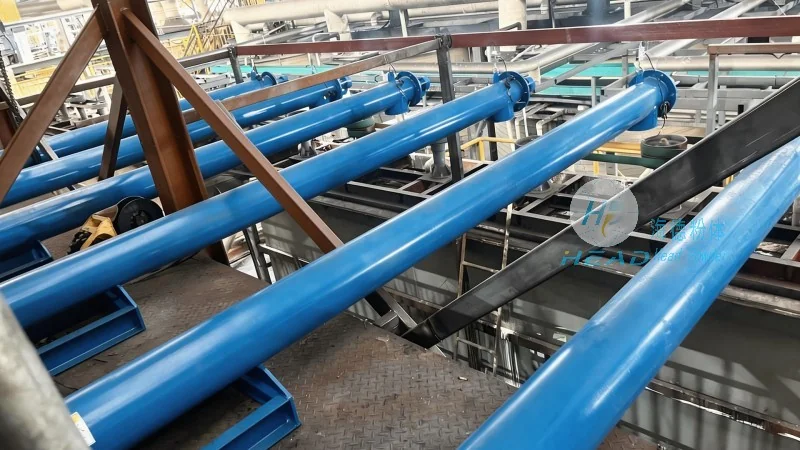
- Pneumatic Conveying: This method uses air pressure to transport calcined ash through a pipeline. It offers flexibility, high capacity, and excellent dust control, making it ideal for various industrial settings.
Pneumatic Conveying for Calcined Ash: Key Advantages
Pneumatic conveying stands out among calcined ash conveying methods due to several significant advantages. First, it provides excellent dust control, which is critical for maintaining a clean and safe working environment. Unlike other methods that may generate significant dust, pneumatic systems can effectively contain and transport the material with minimal emissions. Second, pneumatic conveying offers high flexibility in terms of system layout. It can handle both horizontal and vertical transport, allowing for complex routing that accommodates existing plant structures and space constraints.
Third, this method ensures consistent material flow and minimal product degradation. The enclosed pipeline system prevents exposure to moisture or contaminants, preserving the quality of the calcined ash. Additionally, pneumatic conveying systems are generally low-maintenance compared to mechanical alternatives, reducing operational costs over time. The ability to handle fine powders without clogging or degradation makes it a preferred choice for industries where material quality is paramount.
Features of Pneumatic Conveying Systems for Calcined Ash
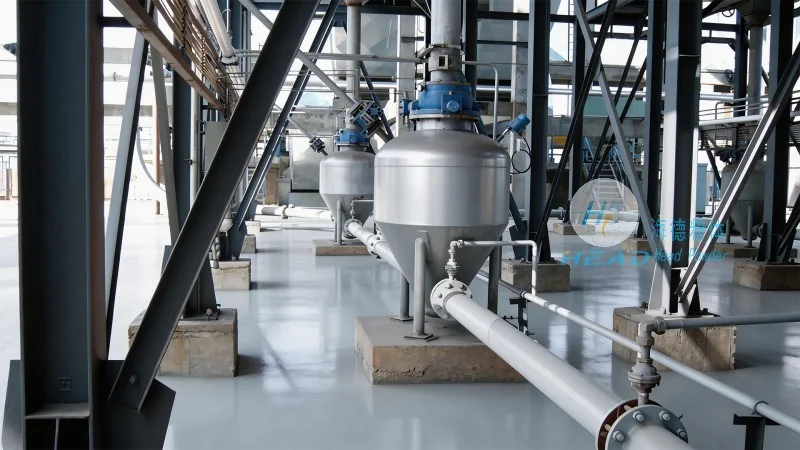
Shandong HeadPowder Engineering Co., Ltd. specializes in designing and manufacturing pneumatic conveying systems tailored to the specific needs of calcined ash handling. Their systems are equipped with advanced features that enhance performance and reliability. For instance, the use of positive displacement blowers or rotary lobe pumps ensures consistent air pressure and flow, maintaining optimal material transport. The pipeline design incorporates smooth, corrosion-resistant materials to prevent material buildup and ensure long-term durability.
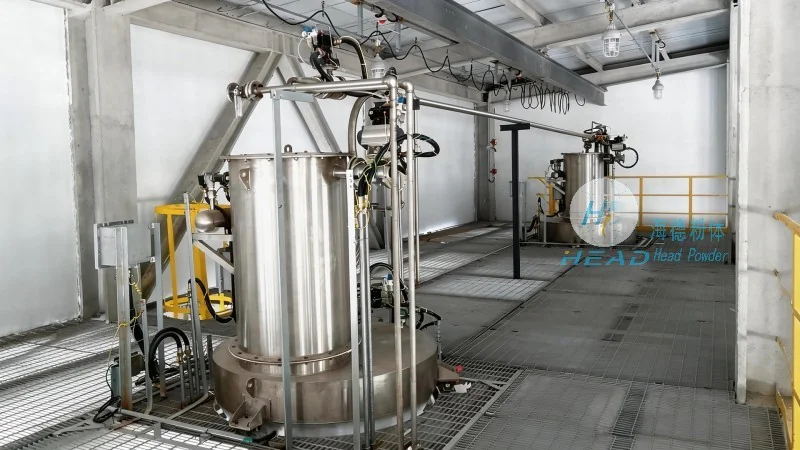
Another key feature is the integration of dust collection and filtration systems. These components capture any fine particles that may escape the pipeline, ensuring compliance with environmental regulations and maintaining a clean workplace. The systems also include control panels with monitoring capabilities, allowing operators to track performance and detect any issues in real-time. This proactive approach to maintenance helps minimize downtime and extends the lifespan of the equipment.
Conclusion: Choosing the Right Conveying Method for Calcined Ash
When evaluating calcined ash conveying methods, it is essential to consider the specific requirements of the application, including material characteristics, distance, and operational environment. While traditional methods like belt and screw conveyors may be suitable for certain scenarios, pneumatic conveying offers superior performance, especially for fine powders and complex layouts. Shandong HeadPowder Engineering Co., Ltd. provides comprehensive solutions that leverage the advantages of pneumatic conveying, ensuring efficient and reliable calcined ash transportation. By understanding the unique benefits of each method and selecting the appropriate system, industrial operations can optimize their material handling processes and achieve better overall efficiency.