

Limestone Conveying Methods: An Overview of the Advantages and Features of Pneumatic Limestone Conveying
When it comes to transporting limestone, selecting the right method is crucial for efficiency, cost-effectiveness, and operational reliability. Limestone, a widely used raw material in industries such as cement production, construction, and chemical manufacturing, requires reliable and efficient transportation solutions. This article explores various limestone conveying methods and highlights the advantages and features of pneumatic limestone conveying, a technology that has gained significant traction in modern material handling.
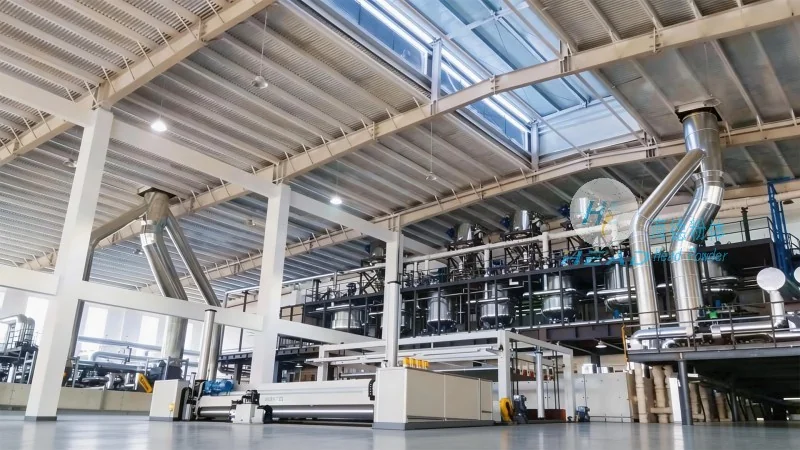
Common Limestone Conveying Methods
Limestone can be transported using several methods, each with its own set of characteristics and applications. The primary methods include belt conveyors, screw conveyors, bucket elevators, and pneumatic conveying systems. Each method has its strengths and limitations, making the choice dependent on factors like the distance to be covered, the volume of material, the material's properties (e.g., moisture content, particle size), and the overall operational environment.
Belt Conveyors for Limestone Transport
Belt conveyors are one of the most common and widely used methods for transporting limestone. These systems consist of a continuous belt that moves over rollers or pulleys, carrying the material from the source to the destination. Belt conveyors are particularly effective for long-distance transport and can handle large volumes of limestone with relatively low maintenance costs. They are also suitable for transporting limestone over uneven terrain or in outdoor settings. However, belt conveyors have limitations, such as the need for regular maintenance to prevent belt wear and the potential for material spillage, especially when transporting dry limestone.
Screw Conveyors: A Traditional Approach
Screw conveyors, also known as auger conveyors, use a rotating screw to move limestone through a tube or trough. This method is ideal for horizontal or slightly inclined transport and is commonly used in applications where the material needs to be moved over short distances or within enclosed spaces. Screw conveyors are relatively simple in design and can handle a variety of limestone types, including those with high moisture content. They are also cost-effective and easy to install. Nevertheless, screw conveyors have drawbacks, including the risk of material blockage, especially with lumpy or wet limestone, and the need for regular cleaning to prevent material buildup.

Bucket Elevators: Vertical Transport Solutions
Bucket elevators are designed for vertical or steeply inclined transport of limestone. These systems use a series of buckets attached to a chain or belt that moves vertically, lifting the material from a lower to a higher level. Bucket elevators are highly efficient for vertical transport and can handle large quantities of limestone with minimal space requirements. They are commonly used in cement plants and other industrial facilities where vertical movement is necessary. However, bucket elevators require more maintenance than other methods and can be more expensive to install. They are also less suitable for transporting limestone with high moisture content, as the buckets may become clogged.
Pneumatic Conveying: The Modern Solution
Pneumatic conveying, also known as air conveying, is a method that uses air pressure to transport limestone particles through a pipeline. This technology offers several advantages over traditional methods, making it an increasingly popular choice for limestone handling. Pneumatic conveying systems can transport limestone over long distances, both horizontally and vertically, with high efficiency and minimal material loss. They are also suitable for transporting limestone with high moisture content or in dusty environments, as the system can handle the material without causing spillage or dust dispersion.
Advantages of Pneumatic Limestone Conveying
The advantages of pneumatic limestone conveying are numerous and make it a preferred choice for many industrial applications. One of the key benefits is the ability to transport limestone in a closed system, which reduces dust pollution and improves safety in the workplace. This is particularly important in industries where dust is a health hazard or where environmental regulations are strict. Another advantage is the high efficiency of the system, which can transport large volumes of limestone at a relatively low cost. Pneumatic conveying systems also offer flexibility, as they can be easily adjusted to handle different types of limestone or to change the transport route.
Key Features of Pneumatic Limestone Conveying Systems
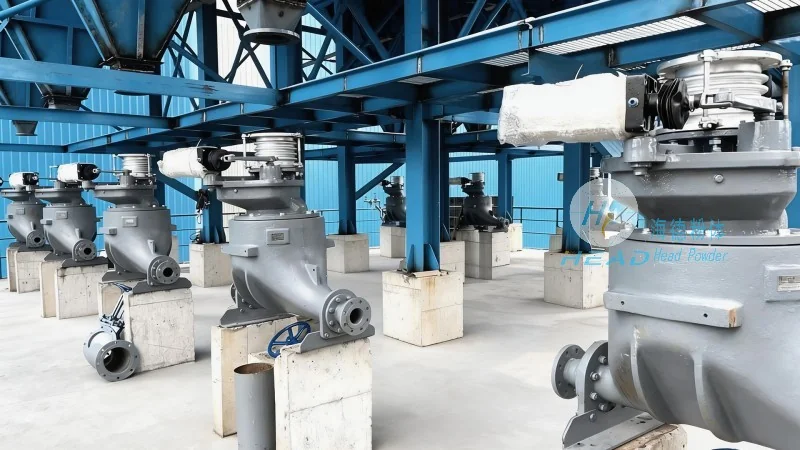
Pneumatic limestone conveying systems are characterized by several key features that contribute to their effectiveness. The first is the use of a positive pressure system, where air is blown through the pipeline to move the material. This system is more efficient than the negative pressure system, which sucks the material through the pipeline. The second feature is the use of flexible hoses or rigid pipes, which can be installed in various configurations to suit the operational needs. The third feature is the use of control valves and regulators, which allow for precise control of the air pressure and flow rate, ensuring optimal material transport.
Applications of Pneumatic Limestone Conveying
Pneumatic limestone conveying is widely used in various industrial applications, including cement production, where limestone is a primary raw material. In cement plants, the system is used to transport limestone from storage silos to the grinding mills, where it is mixed with other raw materials to produce clinker. Pneumatic conveying is also used in construction materials manufacturing, where limestone is used to produce lime or other building materials. Additionally, the system is used in chemical manufacturing, where limestone is used as a raw material for producing calcium compounds.
Conclusion: Choosing the Right Limestone Conveying Method
When selecting a limestone conveying method, it is essential to consider the specific requirements of the application, including the distance to be covered, the volume of material, and the material's properties. While traditional methods like belt conveyors and screw conveyors are still widely used, pneumatic conveying offers significant advantages in terms of efficiency, safety, and environmental impact. For many industrial applications, pneumatic limestone conveying is the most suitable choice, especially when long-distance transport or the handling of moisture-rich limestone is required.
Shandong HeadPowder Engineering Co., Ltd., a leading provider of material handling solutions, specializes in the design and manufacturing of pneumatic conveying systems for limestone and other bulk materials. With years of experience in the industry, the company offers customized solutions that meet the specific needs of its clients. The company's products are known for their high quality, reliability, and efficiency, making them a trusted choice for many industrial facilities. Whether you are in the cement, construction, or chemical industry, HeadPowder can provide the right solution for your limestone conveying needs.