

What Are the Delivery Methods for Diatomite? An Overview of the Advantages and Features of Diatomite Pneumatic Conveying
When it comes to transporting diatomite, a variety of methods are available, each with its own set of advantages and considerations. Among these, pneumatic conveying stands out as a highly efficient and versatile solution for handling diatomite, a natural sedimentary rock composed of fossilized diatoms. This article explores the different delivery methods for diatomite and highlights the key benefits and characteristics of pneumatic conveying systems, presented by Shandong HeadPowder Engineering Co., Ltd., a leading provider in the field.
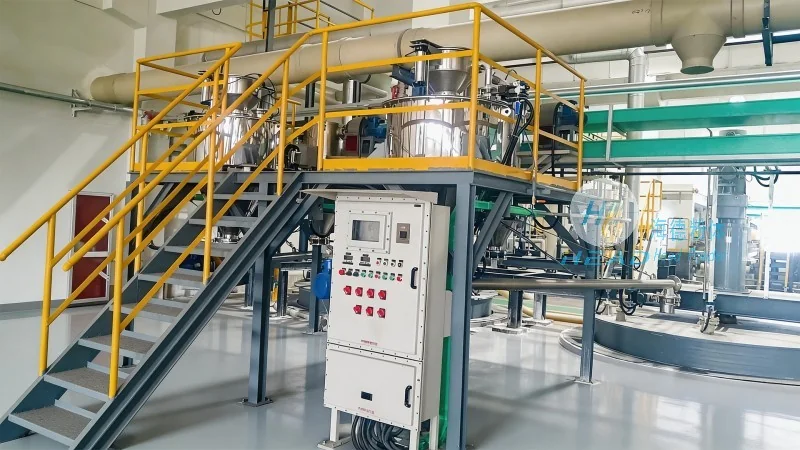
Understanding Diatomite and Its Transport Needs
Diatomite, also known as kieselguhr, is widely used in industries such as filtration, cosmetics, and construction due to its unique properties, including high porosity and excellent adsorption capabilities. The material's fine particle size and light weight make traditional bulk handling methods challenging, as they can lead to dust generation, material loss, and operational inefficiencies. Therefore, selecting the right delivery method is crucial for optimizing production processes and maintaining product quality.
Common Delivery Methods for Diatomite
Several methods are employed for transporting diatomite, including bulk handling systems like belt conveyors, screw conveyors, and bucket elevators. However, these mechanical systems often struggle with the fine, dusty nature of diatomite, leading to increased maintenance and reduced throughput. In contrast, pneumatic conveying offers a more effective solution by using air to move the material through a pipeline system.
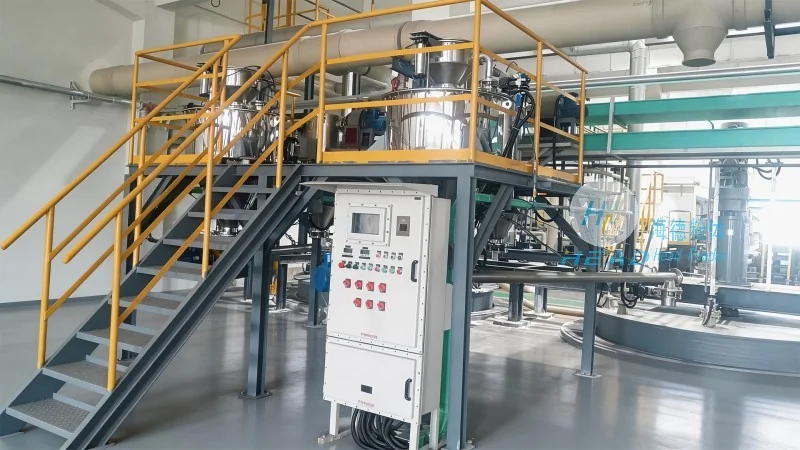
Pneumatic Conveying: The Preferred Method for Diatomite Transport
Shandong HeadPowder Engineering Co., Ltd. specializes in designing and manufacturing advanced pneumatic conveying systems tailored to the specific requirements of diatomite handling. Pneumatic conveying works by creating a flow of air that transports the diatomite particles through a sealed pipeline. This method eliminates the need for manual handling, reduces dust exposure for operators, and ensures a more consistent flow rate compared to mechanical systems.
Key Advantages of Diatomite Pneumatic Conveying
One of the primary advantages of pneumatic conveying for diatomite is its high efficiency in material transport. By using air pressure to move the material, the system can achieve faster delivery rates and cover longer distances without the need for complex infrastructure. Additionally, pneumatic systems are more hygienic and easier to clean, which is particularly important in industries where product purity is critical, such as food and pharmaceutical applications.
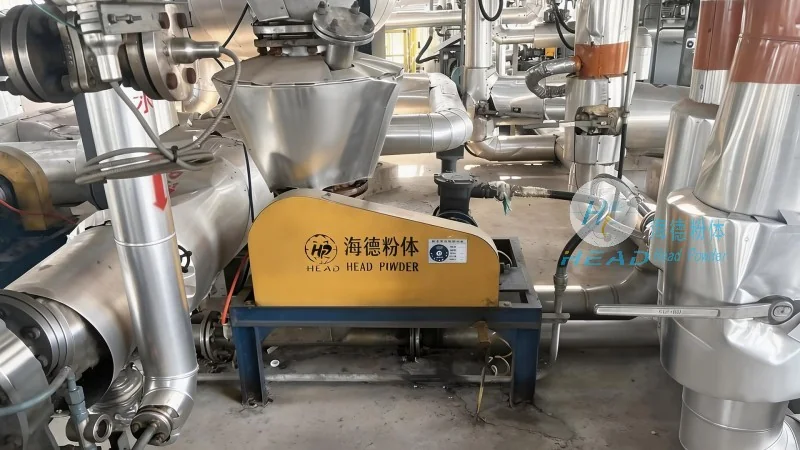
Another significant benefit is the environmental impact. Pneumatic conveying reduces dust emissions and minimizes the risk of material contamination, contributing to a cleaner and safer working environment. This is especially beneficial in regions with strict environmental regulations, where traditional bulk handling methods may not meet compliance standards.
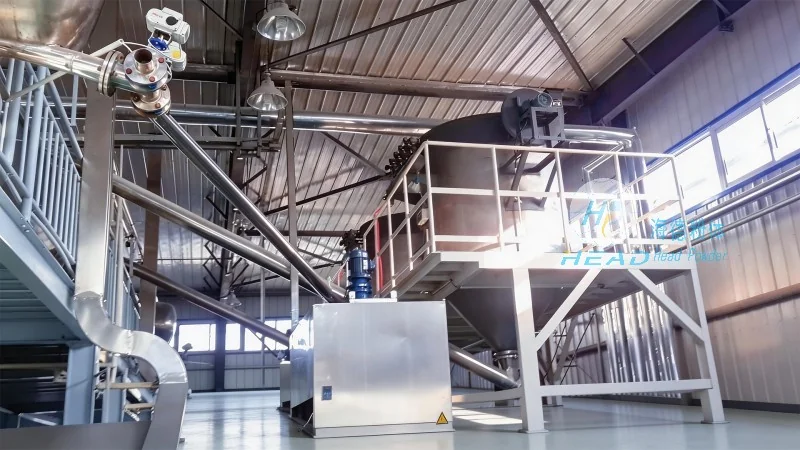
Customized Solutions for Optimal Performance
Shandong HeadPowder Engineering Co., Ltd. understands that each diatomite processing facility has unique operational requirements. Therefore, they offer customized pneumatic conveying solutions that can be tailored to specific production volumes, particle sizes, and system layouts. The company's engineers work closely with clients to design systems that maximize efficiency, minimize downtime, and ensure long-term reliability.
Conclusion
In summary, pneumatic conveying is a superior method for transporting diatomite, offering numerous advantages over traditional mechanical systems. By leveraging the power of air to move the material, companies can achieve higher productivity, better product quality, and a more sustainable operation. Shandong HeadPowder Engineering Co., Ltd. remains committed to providing innovative and reliable pneumatic conveying solutions that meet the evolving needs of the diatomite industry.