

Active Carbon Conveying Methods: An Overview of the Advantages and Features of Pneumatic Conveying
The selection of an appropriate conveying method for active carbon is critical in industrial processes, as it directly impacts efficiency, cost, and safety. Among the various options available, pneumatic conveying stands out as a highly effective and versatile solution. This article provides an overview of different active carbon conveying methods, with a focus on the advantages and characteristics of pneumatic conveying, as offered by Shandong HeadPowder Engineering Co., Ltd., a leading manufacturer based in Shandong, China.
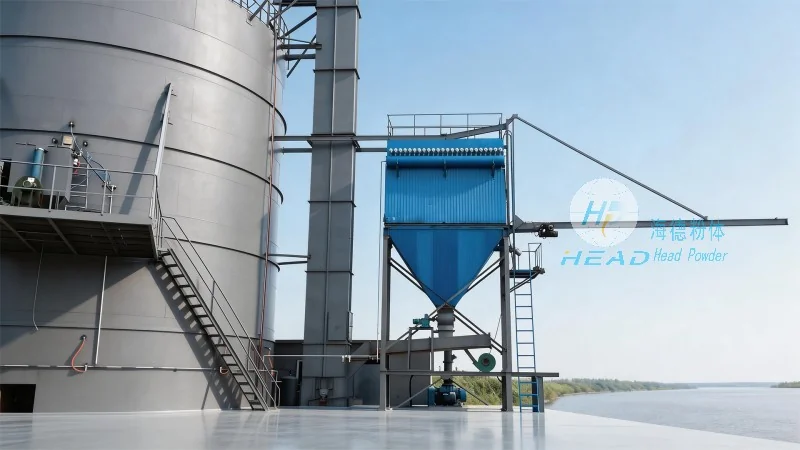
Introduction to Active Carbon Conveying Methods
Active carbon, a vital material used in filtration, adsorption, and other industrial applications, requires efficient and reliable transportation from storage to processing units. Conveying methods for active carbon can be broadly categorized into mechanical and pneumatic systems. Mechanical methods, such as belt conveyors and screw conveyors, are commonly used for bulk materials but may face challenges with fine or dusty powders like active carbon, leading to issues like material degradation and equipment wear. In contrast, pneumatic conveying offers a more controlled and efficient approach, especially for handling fine powders.
Understanding Pneumatic Conveying for Active Carbon
Pneumatic conveying utilizes air or other gases to transport active carbon particles through a pipeline system. This method can be further divided into two main types: dilute-phase and dense-phase conveying. Dilute-phase pneumatic conveying involves transporting particles in a low concentration, where the air velocity is sufficient to keep the particles suspended. Dense-phase pneumatic conveying, on the other hand, operates at lower air velocities, allowing particles to move in a more compact form, reducing the risk of clogging and improving material handling efficiency.
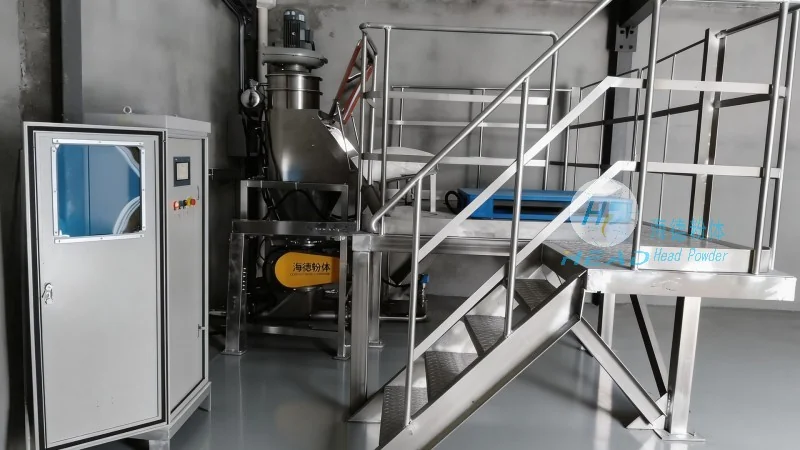
Key Advantages of Pneumatic Conveying in Active Carbon Handling
The adoption of pneumatic conveying for active carbon offers several distinct advantages. Firstly, it provides a dust-free and enclosed system, which is crucial for maintaining product quality and ensuring workplace safety. Unlike mechanical conveyors, which can generate dust and cause contamination, pneumatic systems minimize exposure to airborne particles, making them ideal for applications where product purity is paramount. Secondly, pneumatic conveying allows for flexible and space-saving layouts. The pipeline system can be easily integrated into existing facilities, adapting to various plant configurations without the need for extensive structural modifications.
Additionally, pneumatic conveying enhances operational efficiency by reducing downtime and maintenance costs. The enclosed system minimizes material loss and prevents clogging, which are common issues with mechanical conveyors. This leads to higher throughput and lower operational expenses over time. For active carbon, which is often used in sensitive processes like water treatment or air purification, the reliability and consistency of pneumatic conveying are particularly beneficial.
Technical Features and Operational Benefits
From a technical perspective, pneumatic conveying systems for active carbon are designed to handle fine powders with high efficiency. The use of appropriate air velocities and pipeline diameters ensures that particles are transported smoothly without degradation. The system typically includes components such as feeders, cyclones, and filters, which work together to maintain the quality of the active carbon and the cleanliness of the air. The feeders, often rotary or vibratory, ensure a consistent flow of material into the pipeline, while the cyclones separate the active carbon from the air stream, allowing for recycling of the air and reclamation of the material.
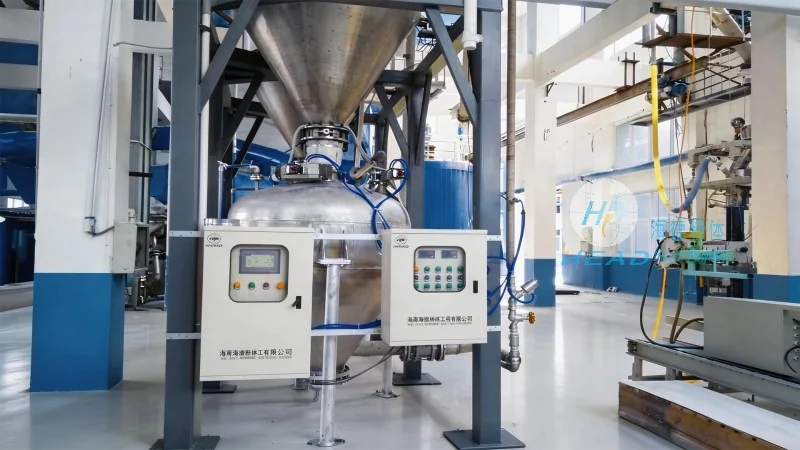
Operational benefits also extend to the ease of integration with other processing equipment. Pneumatic conveying can be seamlessly connected to reactors, filters, or storage tanks, enabling a continuous and automated production line. This integration reduces manual handling, minimizes human error, and improves overall process control. Furthermore, the system's ability to handle varying particle sizes and moisture content makes it versatile for different types of active carbon applications.
Application Scenarios and Practical Considerations
Pneumatic conveying is widely used in various industries that utilize active carbon, including water treatment, air purification, chemical processing, and pharmaceutical manufacturing. In water treatment plants, for example, active carbon is used to remove organic contaminants and improve water quality. Pneumatic conveying ensures that the active carbon is delivered to the filtration units in a controlled manner, maintaining consistent performance. Similarly, in air purification systems, the efficient transport of active carbon to and from filters is essential for maintaining air quality.
Practical considerations when implementing pneumatic conveying for active carbon include the selection of appropriate equipment and system design. Factors such as the particle size distribution, moisture content, and bulk density of the active carbon must be considered to determine the optimal air velocity and pipeline configuration. The system's capacity and pressure requirements also need to be matched to the production scale and process demands. Proper maintenance, including regular cleaning of cyclones and filters, is crucial to ensure long-term performance and prevent system failures.
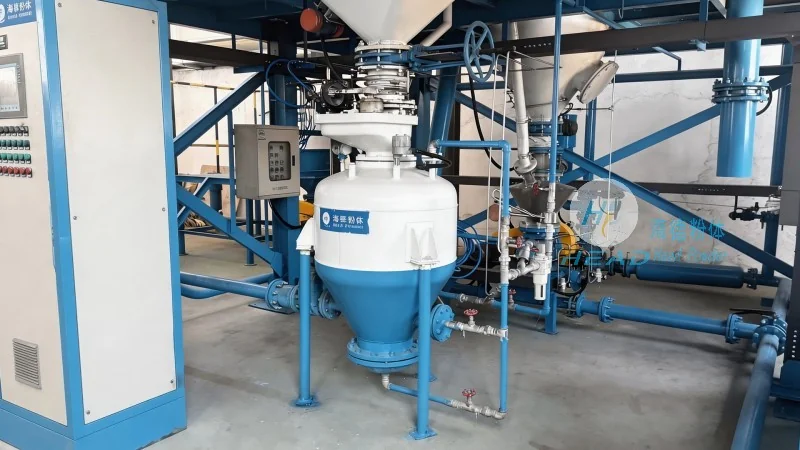
Company Profile: Shandong HeadPowder Engineering Co., Ltd.
Shandong HeadPowder Engineering Co., Ltd. is a professional manufacturer and supplier of advanced conveying solutions, including pneumatic conveying systems tailored for active carbon handling. With a strong presence in Shandong, China, the company leverages years of experience and technical expertise to provide high-quality equipment that meets the specific needs of industrial clients. The company's commitment to innovation and customer satisfaction has made it a trusted partner in the industry, offering customized solutions that enhance operational efficiency and product quality.
Conclusion
In conclusion, pneumatic conveying represents a superior method for transporting active carbon compared to traditional mechanical systems. Its advantages in terms of efficiency, safety, and flexibility make it an ideal choice for modern industrial applications. By understanding the different conveying methods and the specific benefits of pneumatic conveying, industries can optimize their processes and achieve better results. As a leading provider of conveying solutions, Shandong HeadPowder Engineering Co., Ltd. continues to play a vital role in advancing the technology and application of active carbon handling systems.