

Types of Refractory Material Conveying Methods? An Introduction to the Advantages and Features of Refractory Material Pneumatic Conveying
When it comes to transporting refractory materials, selecting the right conveying method is crucial for ensuring efficiency, safety, and material integrity. Refractory materials, which are essential in high-temperature industrial applications such as steelmaking, cement production, and glass manufacturing, require specialized handling due to their abrasive and often fragile nature. The choice of conveying system can significantly impact operational costs, maintenance requirements, and overall production performance. This article explores the various methods of refractory material conveyance, with a particular focus on the advantages and features of pneumatic conveying systems.
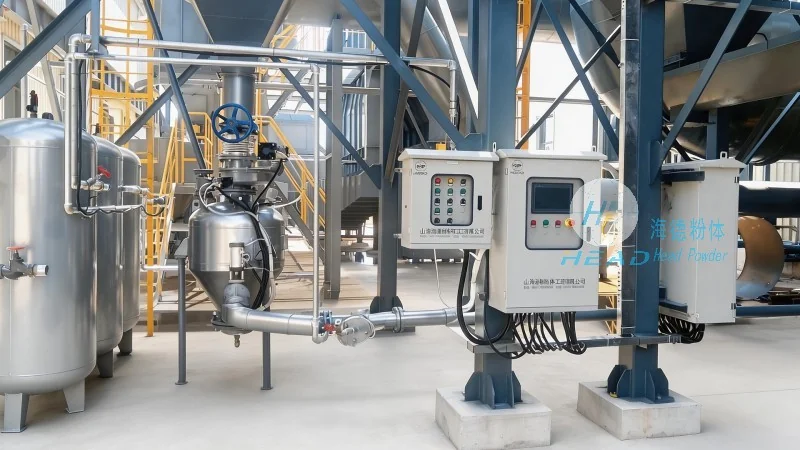
Overview of Refractory Material Conveying Methods
Refractory material conveying involves moving these materials from storage to processing or end-use locations. The primary methods used in industrial settings include mechanical conveying systems like belt conveyors, screw conveyors, and bucket elevators, as well as pneumatic conveying systems. Each method has its own set of advantages and limitations, making the selection process dependent on factors such as material properties, distance, volume, and environmental considerations.
Pneumatic Conveying: A Comprehensive Solution for Refractory Material Handling
Pneumatic conveying, also known as air conveying, is a method that uses compressed air to transport materials through a pipeline. This technology is particularly well-suited for refractory materials due to its ability to handle abrasive and dusty materials without the need for direct contact with mechanical components. The process involves feeding the refractory material into a hopper, where it is then drawn into a pipeline by the airflow. The air and material mixture travels through the pipeline to the destination point, where the material is separated from the air and deposited. This method offers several key advantages for refractory material handling.
Key Advantages of Refractory Material Pneumatic Conveying
One of the most significant advantages of pneumatic conveying is its ability to handle abrasive and fine refractory powders without causing excessive wear on equipment. Traditional mechanical conveyors, such as belt or screw conveyors, are prone to wear and tear from the abrasive nature of refractory materials, leading to higher maintenance costs and reduced lifespan. Pneumatic systems, on the other hand, use flexible hoses or rigid pipes that are designed to withstand the abrasive properties of these materials, reducing the need for frequent replacements and repairs.
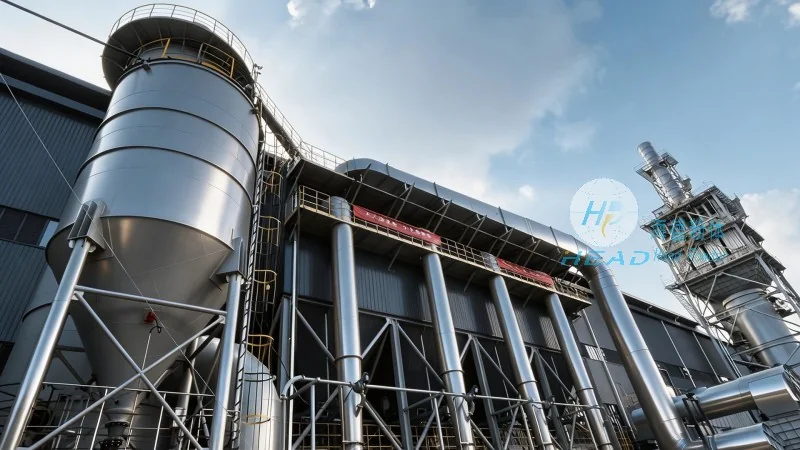
Another key advantage is the ability to transport refractory materials over long distances with minimal loss. Pneumatic conveying systems can move materials over distances of several hundred meters or more, making them ideal for large-scale industrial operations where materials need to be transported from storage to processing units. This efficiency reduces the need for multiple handling steps and minimizes material waste, contributing to overall cost savings.
Pneumatic conveying also offers improved safety and environmental control. By containing the material within a closed system, the risk of dust emissions and material spillage is significantly reduced. This is particularly important for refractory materials, which can be hazardous if inhaled or if they contaminate the environment. The closed system also helps maintain material quality by preventing contamination from external sources, ensuring that the refractory material reaches its destination in optimal condition.
Features of Pneumatic Conveying Systems for Refractory Materials
Modern pneumatic conveying systems for refractory materials are equipped with advanced features that enhance their performance and reliability. These systems typically include a combination of positive and negative pressure conveying, allowing for flexibility in material transport. Positive pressure systems use compressed air to push the material through the pipeline, while negative pressure systems use suction to draw the material. This dual approach enables the handling of both fine powders and bulk materials, making the system versatile for various refractory applications.

Advanced control systems are also integrated into modern pneumatic conveying systems, allowing for precise control over the flow rate and pressure. This ensures consistent material delivery and prevents overloading or underloading of the system. Additionally, many systems are equipped with filtration and dust collection units to maintain air quality and comply with environmental regulations. These features contribute to the overall efficiency and sustainability of the conveying process.
Conclusion: Choosing the Right Conveying Method for Refractory Materials
When selecting a conveying method for refractory materials, it is essential to consider the specific requirements of the application. While mechanical conveyors may be suitable for short distances and less abrasive materials, pneumatic conveying offers superior performance for long-distance transport of fine and abrasive refractory powders. The advantages of reduced wear, improved safety, and efficient material handling make pneumatic conveying a preferred choice for many industrial applications.
Shandong HeadPowder Engineering Co., Ltd., a leading provider of refractory material handling solutions, specializes in designing and manufacturing customized pneumatic conveying systems tailored to the unique needs of industrial clients. With a focus on quality, reliability, and innovation, HeadPowder offers comprehensive solutions that enhance operational efficiency and reduce costs for businesses in the refractory industry. The company's expertise in material handling technology ensures that clients receive systems that are optimized for their specific refractory material properties and operational requirements.