
Fluorescent powder, also known as phosphor powder, is a critical material in the production of lighting, display screens, and specialty coatings. The handling and transportation of this fine, often abrasive, and moisture-sensitive powder require a carefully engineered approach to prevent contamination, degradation, and environmental hazards. Pneumatic conveying has emerged as the preferred method for moving fluorescent powder safely and efficiently within a production facility. This article provides a comprehensive overview of fluorescent powder pneumatic conveying solutions, focusing on the design principles, system components, and the expertise offered by a professional manufacturer.
A fluorescent powder pneumatic conveying solution is a closed-loop system that uses air pressure or vacuum to transport the powder from one point to another. Unlike mechanical conveyors, pneumatic systems eliminate dust leakage, reduce product loss, and minimize the risk of contamination. The design of such a system must account for the unique characteristics of fluorescent powder, including its particle size distribution, bulk density, flowability, and tendency to agglomerate. A well-engineered solution ensures consistent material flow, low energy consumption, and minimal maintenance. The core principle involves creating a controlled airflow that suspends the powder particles and carries them through a pipeline to a destination silo, hopper, or processing station.
Selecting the right fluorescent powder pneumatic conveying manufacturer is crucial for system reliability and long-term performance. A reputable manufacturer, such as Haide Powder (Shandong Haide Powder Engineering Co., Ltd.), brings years of experience in designing and fabricating customized conveying systems for fine powders. The manufacturer should offer comprehensive services, including system design, component selection, installation, and commissioning. For example, Haide Powder specializes in engineering solutions that address the specific challenges of fluorescent powder, such as preventing static buildup, avoiding pipeline abrasion, and maintaining a moisture-free environment. By partnering with an experienced manufacturer, clients receive a turnkey solution that meets their production throughput requirements while adhering to strict quality standards.
Proper fluorescent powder conveying engineering design is the foundation of an efficient system. The design process begins with a thorough analysis of the material properties and the desired conveying rate. Engineers must consider the distance, elevation changes, and the number of discharge points. For fluorescent powder, dilute-phase conveying is often preferred because it minimizes particle attrition and reduces the risk of pipeline clogging. However, dense-phase conveying may be chosen for long distances or when lower air velocities are required to prevent dust generation. The design also includes the selection of appropriate air movers (roots blowers, vacuum pumps), rotary airlocks, diverter valves, and filtration systems. A well-designed system incorporates safety features such as pressure relief valves, explosion suppression components, and grounding to prevent electrostatic discharge, which is particularly important for combustible powders.
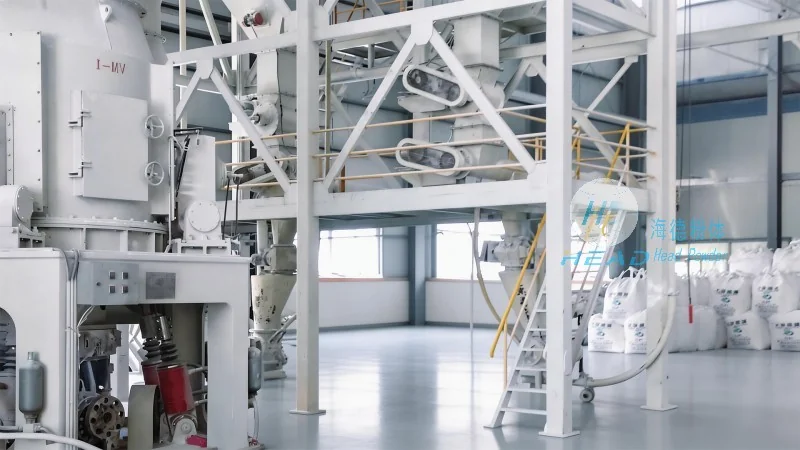
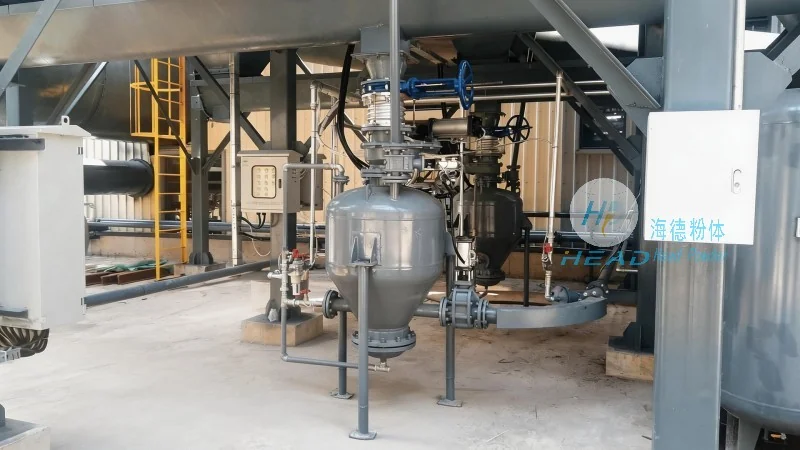
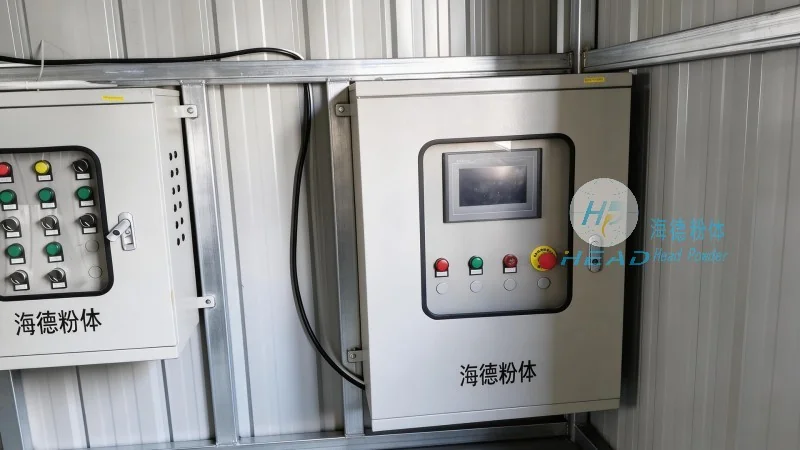
A fluorescent powder bulk conveying system typically consists of several key components. The feeding device, often a rotary valve or screw feeder, meters the powder into the conveying line at a controlled rate. The conveying pipeline is made of abrasion-resistant materials such as stainless steel or specialized alloys to withstand the eroding nature of fine phosphor particles. At the receiving end, a cyclone separator or a baghouse filter collects the powder while the conveying air is cleaned and vented. The system may also include a vacuum receiver for vacuum conveying systems. Control systems, such as programmable logic controllers (PLCs), monitor pressure, flow, and material levels to ensure smooth operation. Haide Powder’s solutions integrate these components into a cohesive system that can be easily integrated into existing production lines.
A customized fluorescent powder conveying system offers several advantages over generic solutions. Because fluorescent powder varies in particle size and chemical composition from batch to batch, a one-size-fits-all approach often leads to inconsistent performance. Customization allows the system to handle different grades of phosphor powder without frequent adjustments. For example, a system can be designed with variable speed feeders, multiple pick-up points, and automated cleaning cycles to prevent cross-contamination. Additionally, the system can be configured to operate in a fully enclosed manner, ensuring that the powder remains dry and free from foreign particles. This level of customization is particularly important for manufacturers of LED lighting, cathode ray tubes, and other high-precision applications where the quality of the fluorescent powder directly impacts the final product performance.
Shandong Haide Powder Engineering Co., Ltd., known as Haide Powder, is a leading provider of pneumatic conveying solutions for fluorescent powder and other fine powders. Based in China's Shandong province, the company has a proven track record of delivering reliable systems to clients across the globe. The team at Haide Powder understands the intricate requirements of fluorescent powder handling and provides end-to-end support from concept to commissioning. Whether you need a small batch conveying system or a large-scale automated bulk transfer line, Haide Powder can engineer a solution that fits your specific needs. For inquiries and project consultation, please contact the sales manager, Mr. Zhang, at 15662777102. This contact information is your direct line to expert advice on fluorescent powder pneumatic conveying.
Investing in a professional fluorescent powder pneumatic conveying system yields significant returns in terms of operational efficiency, product quality, and workplace safety. Manual handling of fluorescent powder is not only labor-intensive but also exposes workers to respirable dust, which can be hazardous. A pneumatic system automates the process, reducing human contact and minimizing the risk of exposure. Moreover, the enclosed nature of the system prevents the powder from absorbing moisture from the ambient air, which can degrade its luminescent properties. The precise control over material flow also reduces waste and ensures consistent dosing, which is critical for downstream processes. With the right system from a trusted manufacturer like Haide Powder, you can achieve a cleaner, safer, and more productive production environment.
In summary, a well-designed fluorescent powder pneumatic conveying solution is essential for any facility that handles this sensitive material. The combination of proper engineering, quality components, and expert installation ensures reliable operation and long-term savings. Whether you are a new facility looking to install a conveying system or an existing plant seeking to upgrade your current equipment, understanding the principles outlined in this article will help you make informed decisions. For more information or to discuss your specific project requirements, please contact Haide Powder’s sales manager, Mr. Zhang, at 15662777102. The team at Shandong Haide Powder Engineering Co., Ltd. is ready to assist you with a tailored solution that meets your production goals and quality standards.
Shandong Headpowder Engineering Co., Ltd.
156-6277-7102(Manager Zhang)
0531-83386006
Jinan City, Shandong Province, China 
telephone
WeChatconsult
top