

Principle and Classification Application of Metal Iron Powder Pneumatic Conveying
Understanding the working principles and applications of metal iron powder pneumatic conveying is crucial for industries that rely on efficient material handling. This article provides an in-depth overview of the technology, its classification, and practical applications, with a focus on the expertise of Shandong HeadPowder Engineering Co., Ltd., a leading provider in the field.
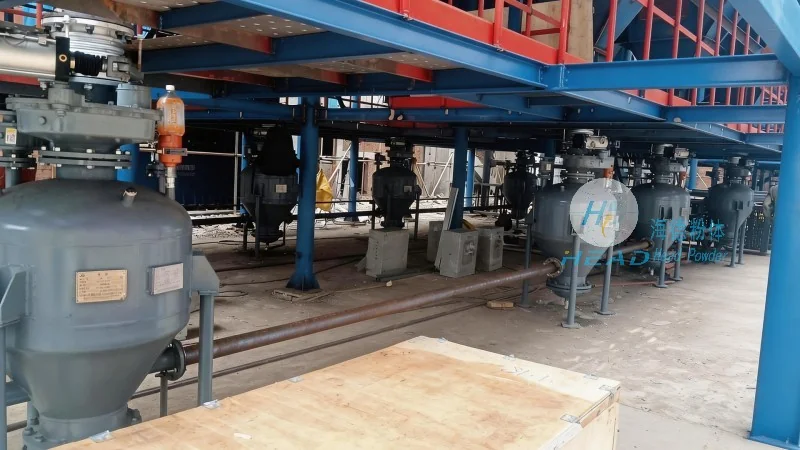
Introduction to Metal Iron Powder Pneumatic Conveying
Metal iron powder pneumatic conveying is a method of transporting fine metal powders, such as iron powder, through a pipeline using compressed air or other gas. This technology offers advantages over traditional mechanical conveying systems, including reduced equipment wear, lower maintenance costs, and the ability to handle materials in a dust-free environment. The process involves several key components and steps that ensure efficient and reliable material transport.
Working Principle of Pneumatic Conveying Systems
The core principle of pneumatic conveying is the use of gas to create a flow that moves the powder particles through the pipeline. There are two main types of pneumatic conveying systems: dilute-phase and dense-phase. Dilute-phase systems operate at higher velocities, typically 20-30 m/s, and are suitable for short distances and low to medium material loads. Dense-phase systems, on the other hand, use lower velocities (5-15 m/s) and higher gas-to-solid ratios, making them ideal for longer distances and higher material loads. The choice between these systems depends on factors such as the material's properties, the distance to be covered, and the required flow rate.
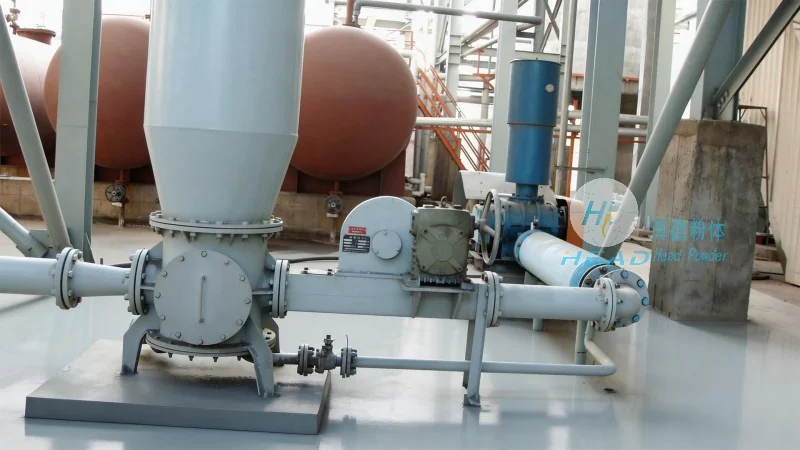
In a typical dilute-phase system, compressed air is introduced into the hopper where the iron powder is stored. The air creates a low-pressure zone that draws the powder into the pipeline. As the powder travels through the pipeline, it is suspended in the air stream and transported to the destination. The system includes components like a hopper, a rotary valve, a filter, and a receiver. The rotary valve controls the flow of powder from the hopper into the pipeline, while the filter removes any entrained particles from the air before it is released back into the environment. The receiver collects the iron powder at the end of the pipeline.
Dense-Phase Pneumatic Conveying for Iron Powder
Dense-phase pneumatic conveying is particularly effective for metal iron powders due to its ability to handle larger particles and maintain a more stable flow. In this system, the powder is introduced into the pipeline in a slurry-like state, where the gas velocity is low enough to keep the particles from settling. This method reduces the risk of blockages and ensures consistent material delivery. The process involves a pressure vessel or a positive displacement pump that injects the powder into the pipeline under pressure. The gas is then introduced to create a dense phase, allowing the powder to be transported efficiently over longer distances.
Classification of Pneumatic Conveying Systems
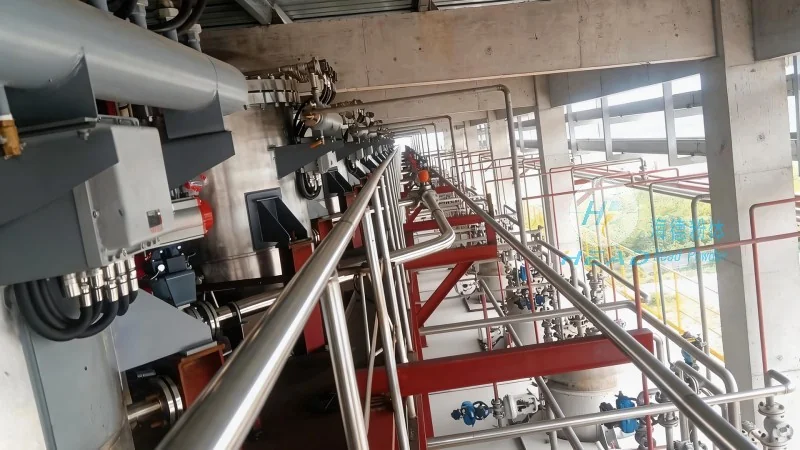
Based on the operating principle and gas velocity, pneumatic conveying systems are classified into several categories. The most common classifications are dilute-phase and dense-phase systems, as discussed earlier. Additionally, there are other types such as pressure and vacuum systems. Pressure systems use compressed air to push the powder through the pipeline, while vacuum systems use a vacuum to pull the powder from the source. The selection of the system type depends on the specific requirements of the application, including the material's characteristics, the distance, and the desired flow rate.
Applications of Metal Iron Powder Pneumatic Conveying
Metal iron powder pneumatic conveying is widely used in various industries, including metallurgy, chemical processing, and manufacturing. In the metallurgy industry, it is used for transporting iron powder to furnaces for smelting and alloy production. The efficient handling of iron powder ensures consistent quality in the final products. In chemical processing, the technology is used to transport iron powder in the production of pigments, coatings, and other chemical compounds. The ability to handle fine powders in a controlled environment reduces the risk of contamination and improves product purity. In manufacturing, the technology is used in the production of magnetic materials, where the uniform distribution of iron powder is critical for the final product's performance.
Advantages of Metal Iron Powder Pneumatic Conveying
Compared to traditional mechanical conveying systems, metal iron powder pneumatic conveying offers several advantages. One of the key benefits is the reduction in equipment wear and tear. Since the powder is suspended in the air stream, there is less friction between the particles and the pipeline walls, leading to longer equipment life. Another advantage is the lower maintenance costs. Pneumatic systems have fewer moving parts compared to mechanical systems, reducing the need for frequent repairs and replacements. Additionally, the technology allows for dust-free handling, which is essential for maintaining a safe and healthy work environment. The ability to transport materials over long distances without the need for intermediate storage or transfer points also improves operational efficiency.

Challenges and Solutions in Metal Iron Powder Pneumatic Conveying
Despite its advantages, metal iron powder pneumatic conveying also presents some challenges. One of the main challenges is the risk of blockages in the pipeline, especially with dense-phase systems. This can be mitigated by using appropriate pipeline designs, such as inclined pipelines and pulsation dampers, which help to prevent the accumulation of powder. Another challenge is the need for proper filtration to remove entrained particles from the air stream. This is crucial for maintaining the quality of the iron powder and preventing contamination of the system components. Additionally, the selection of the right gas velocity and pressure is critical to ensure efficient and reliable operation. Proper system design and maintenance are essential to overcome these challenges and maximize the benefits of pneumatic conveying.
Conclusion
Metal iron powder pneumatic conveying is a highly effective and efficient method of transporting fine metal powders. The technology offers advantages such as reduced equipment wear, lower maintenance costs, and dust-free handling. With the right system design and proper operation, it can be used in various industries to improve material handling efficiency and product quality. Shandong HeadPowder Engineering Co., Ltd. specializes in providing customized pneumatic conveying solutions tailored to the specific needs of its clients, ensuring optimal performance and reliability in metal iron powder handling.