

[Mica Sand Powder Conveying: Choosing Positive Pressure vs. Negative Pressure - How to Distinguish?]
When it comes to transporting mica sand powder, selecting the right conveying method is crucial for efficiency, cost-effectiveness, and operational safety. Two primary options are positive pressure conveying and negative pressure conveying. Understanding the differences between these systems is essential for making an informed decision that aligns with your specific application requirements.
Understanding Mica Sand Powder and Conveying Challenges
Mica sand powder is a fine, lightweight material commonly used in various industries, including coatings, plastics, and ceramics. Its unique properties—such as low bulk density and high dust generation—present challenges during transportation. Traditional methods may struggle with material handling, leading to inefficiencies and increased operational costs. This is where specialized conveying systems come into play, and choosing between positive and negative pressure solutions is a critical step in optimizing your process.
Positive Pressure Conveying: How It Works
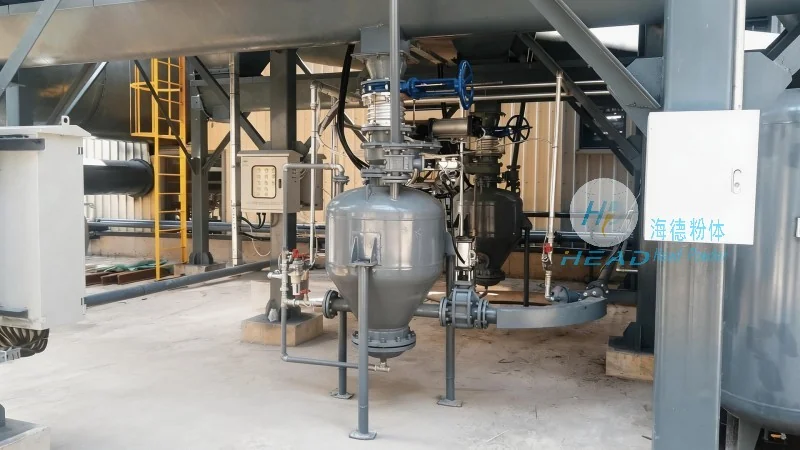
Positive pressure conveying systems operate by blowing air or gas into the conveying line, creating a pressure higher than the ambient environment. This method propels the mica sand powder through the system using a positive pressure source, such as a blower or fan. The key advantages of positive pressure include high material flow rates, consistent performance, and the ability to handle abrasive or sticky materials. For mica sand powder, positive pressure systems are often preferred when dealing with large quantities or when the material needs to be transported over long distances without significant pressure drops.
Negative Pressure Conveying: The Alternative Approach
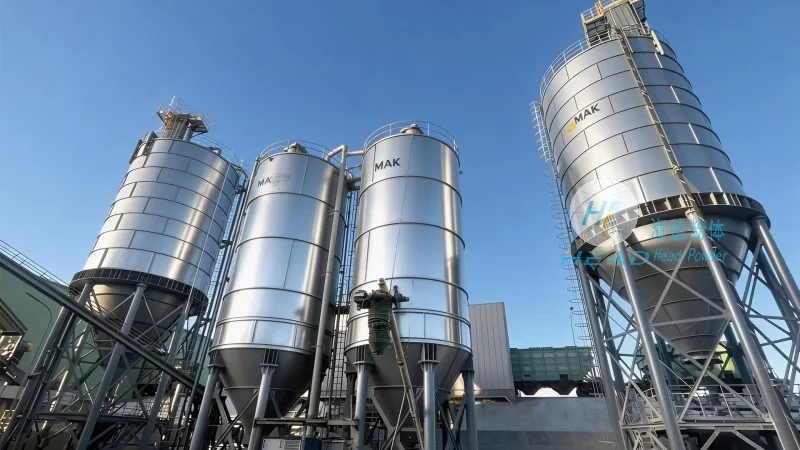
Negative pressure conveying, also known as suction conveying, works by creating a vacuum in the system, drawing the mica sand powder into the line. This method uses a vacuum pump to pull air and material through the pipeline. The primary benefits of negative pressure include lower energy consumption for short to medium distances, reduced noise levels, and the ability to handle materials that are sensitive to pressure changes. However, negative pressure systems may face challenges with material clogging or reduced efficiency when dealing with very fine or lightweight powders like mica sand.
Distinguishing Between Positive and Negative Pressure Systems
So, how do you decide which conveying system is right for your mica sand powder application? The decision hinges on several factors, including the distance of the conveying line, the material's properties, and the required flow rate. Here are the key criteria to consider:
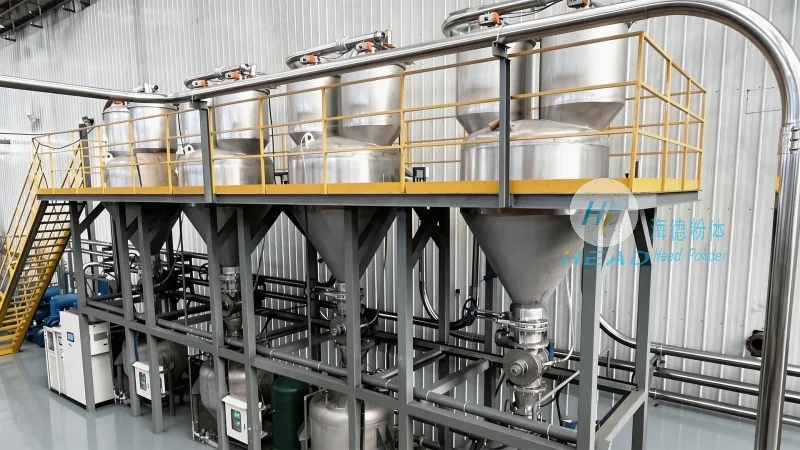
- Conveying Distance: Positive pressure is generally more suitable for long-distance transport (typically over 50 meters) due to its ability to maintain pressure and material flow. Negative pressure is better for shorter distances (up to 30 meters) where energy efficiency is a priority.
- Material Characteristics: If the mica sand powder is abrasive or has a tendency to agglomerate, positive pressure systems with robust components may be necessary. Negative pressure might be preferred for non-abrasive, fine powders that are less likely to cause blockages.
- Energy Consumption: Negative pressure systems typically consume less energy for short runs, making them cost-effective for applications with limited distance requirements. Positive pressure systems may require more power but offer better performance for longer or more demanding tasks.
- Environmental and Safety Considerations: Positive pressure systems can help contain dust and prevent material leakage, which is critical in environments where air quality is a concern. Negative pressure systems may require additional filtration to control dust emissions, especially when dealing with fine powders.
Choosing the Right System for Your Needs
After evaluating the above factors, the choice between positive and negative pressure conveying for mica sand powder should be based on a balanced assessment of operational requirements, cost, and material characteristics. For instance, if your facility requires transporting mica sand powder over a 100-meter distance with high flow rates, a positive pressure system from Shandong HeadPowder Engineering Co., Ltd. may be the optimal solution. Conversely, for a shorter run of 20 meters with lower flow needs, a negative pressure system could offer cost savings without compromising performance.
Conclusion: Making an Informed Decision
Ultimately, the decision to use positive or negative pressure for mica sand powder conveying depends on a thorough analysis of your specific operational context. By understanding the working principles, advantages, and limitations of each system, you can select the most efficient and cost-effective solution. Shandong HeadPowder Engineering Co., Ltd., a leading provider of specialized conveying solutions, offers tailored systems that address the unique challenges of mica sand powder transportation, ensuring reliable and sustainable operations for your business.