

Technical Analysis of Dust Gas-Solid Transport Systems: Comparison of Positive Pressure and Negative
Gas-solid transport systems, particularly those designed for handling dust and fine particulate materials, play a crucial role in various industrial applications. The efficiency and reliability of these systems are heavily influenced by the conveying mode employed—specifically, the choice between positive pressure and negative pressure (or vacuum) systems. This technical analysis delves into the fundamental differences, operational principles, and practical considerations of both positive and negative pressure conveying modes, providing insights for industries seeking optimal solutions for material handling.
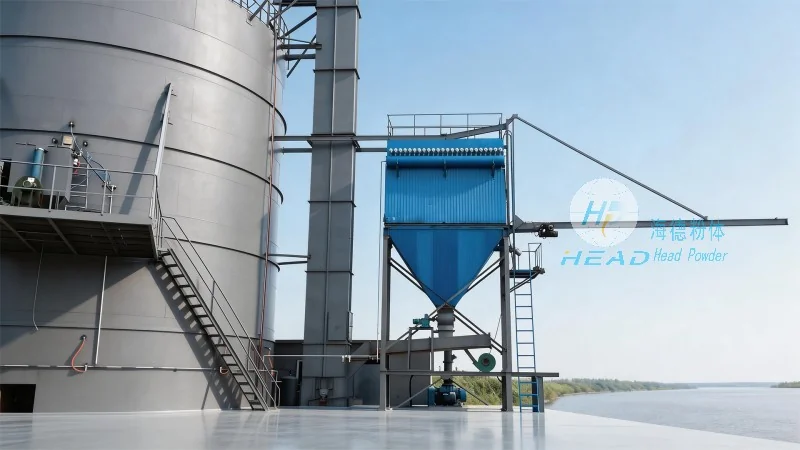
Overview of Gas-Solid Transport Systems
Gas-solid transport systems utilize a gas stream to transport solid particles through a pipeline. The primary goal is to move bulk materials from one location to another without the need for mechanical components like belts or buckets. These systems are widely used in sectors such as mining, cement production, food processing, and chemical manufacturing due to their ability to handle abrasive or sensitive materials while maintaining a closed system to prevent contamination and dust emissions.
Positive Pressure Conveying Mode
Positive pressure systems operate by forcing air or a gas mixture through the pipeline at a pressure higher than the ambient atmospheric pressure. The high-pressure air creates a flow that propels the solid particles forward. This mode is often referred to as "blowing" or "pressure" conveying. The key advantages of positive pressure systems include high conveying capacity, the ability to handle long distances and multiple bends, and the capability to transport materials through vertical lifts. The system typically features a blower or compressor at the inlet, which supplies the pressurized air to the pipeline. The pressure differential ensures that the material is continuously moved, even against gravity in vertical sections. A typical positive pressure setup includes a hopper for material storage, a feeder to control the flow rate, and a pipeline network connecting the source to the destination. The air velocity within the pipeline must be sufficient to keep the particles in suspension, which is critical for preventing blockages and ensuring smooth operation.
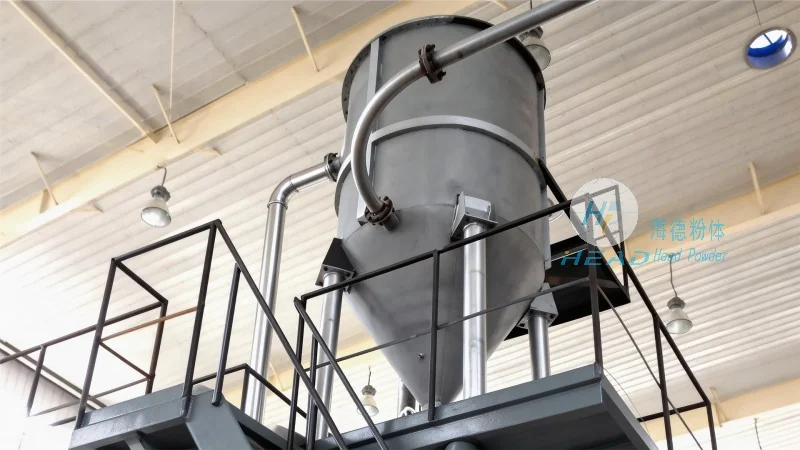
Negative Pressure (Vacuum) Conveying Mode
Negative pressure systems, on the other hand, create a vacuum or low-pressure environment within the pipeline by drawing air out of the system. The pressure difference between the inlet (where material is introduced) and the outlet (where the material is discharged) pulls the solid particles along with the air stream. This mode is commonly known as "suction" or "vacuum" conveying. The primary benefits of negative pressure systems include the ability to handle materials with low flowability or high moisture content, as the vacuum helps to break up agglomerates and maintain a consistent flow. Additionally, negative pressure systems are often more suitable for applications requiring a closed environment to prevent dust emissions, as the system is sealed at the inlet and outlet. The system typically includes a vacuum pump or fan at the outlet, which creates the suction force. The pipeline design must account for the lower pressure, which may limit the conveying distance and require larger pipe diameters to maintain sufficient velocity. The material is drawn from a hopper or storage bin through a feeder, and the vacuum pulls it through the pipeline to the discharge point.
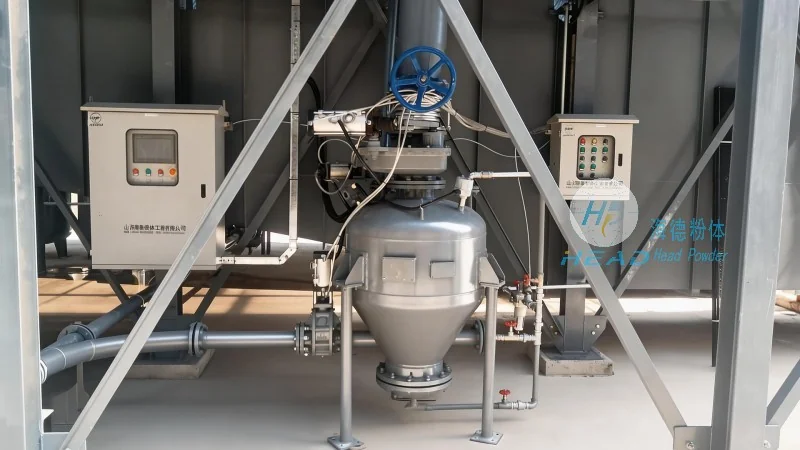
Key Differences and Practical Considerations
When comparing positive and negative pressure conveying modes, several factors must be considered to determine the most suitable option for a specific application. The most significant difference lies in the direction of air flow and the pressure conditions. Positive pressure systems push material forward, while negative pressure systems pull it. This affects the system's ability to handle vertical lifts and the overall energy consumption. Positive pressure systems generally consume more energy due to the need to maintain high pressure, but they can achieve higher conveying rates and longer distances. Negative pressure systems are more energy-efficient for shorter distances and materials with lower flowability. Another critical consideration is the impact on the environment and dust control. Positive pressure systems require proper sealing to prevent air leakage and dust emissions, as the high-pressure air can escape and contaminate the surroundings. Negative pressure systems, by creating a vacuum, inherently contain dust within the system, making them more suitable for applications where dust containment is a priority. The choice also depends on the material characteristics, such as particle size, density, and moisture content. For example, cohesive or sticky materials may require the assistance of a vacuum to maintain flow, while free-flowing materials may perform better in a positive pressure system. The system's cost and maintenance requirements are also important factors. Positive pressure systems may have higher initial costs due to the need for robust blower components, but they often have lower maintenance needs compared to vacuum systems, which may require more frequent filter changes and pump maintenance.
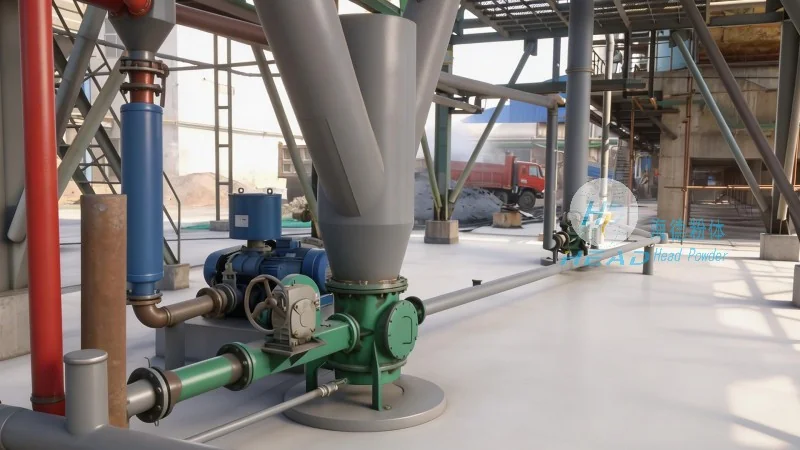
Application Examples and Industry Use Cases
Both positive and negative pressure conveying modes find applications in various industries, tailored to the specific needs of the material being handled. In the cement industry, for instance, positive pressure systems are commonly used to transport raw materials and finished products over long distances, as they can handle the high volume and abrasive nature of cement powders. The positive pressure mode ensures efficient movement through the production line, minimizing downtime and material loss. In contrast, the food processing industry often prefers negative pressure systems for conveying powders like flour or sugar, as the vacuum helps to maintain product quality and prevent contamination. The closed system of negative pressure conveying also reduces the risk of cross-contamination, which is critical in food applications. Mining operations may use positive pressure systems to transport ore from processing plants to storage facilities, leveraging the high conveying capacity and ability to handle vertical lifts. Meanwhile, chemical manufacturing facilities might employ negative pressure systems for handling hazardous or sensitive powders, as the sealed environment protects both the material and the operators from exposure. The choice of system ultimately depends on balancing the material properties, operational requirements, and environmental considerations.
Conclusion
In conclusion, the selection between positive pressure and negative pressure conveying modes in dust gas-solid transport systems is a critical decision that impacts operational efficiency, material handling capabilities, and environmental compliance. Positive pressure systems offer high conveying rates and flexibility for long-distance and vertical transport, while negative pressure systems excel in handling low-flowability materials and maintaining dust containment. Industries must carefully evaluate their specific needs, including material characteristics, distance, and environmental regulations, to choose the most appropriate conveying mode. By understanding the operational principles and practical considerations of both systems, companies can optimize their material handling processes and achieve better performance and cost-effectiveness. As technology advances, the development of hybrid systems that combine the benefits of both positive and negative pressure modes may further enhance the capabilities of gas-solid transport systems, providing even more versatile solutions for industrial applications.