

Types, Features, and Applications of Lead Powder Pneumatic Conveying
Lead powder, a critical material in various industrial sectors such as battery manufacturing and chemical processing, requires efficient and safe handling methods. Pneumatic conveying systems have emerged as a preferred solution for transporting lead powder due to their ability to handle fine powders with precision and minimal contamination. This article explores the different types of lead powder pneumatic conveying systems, their key features, and the diverse application ranges where these technologies are utilized.
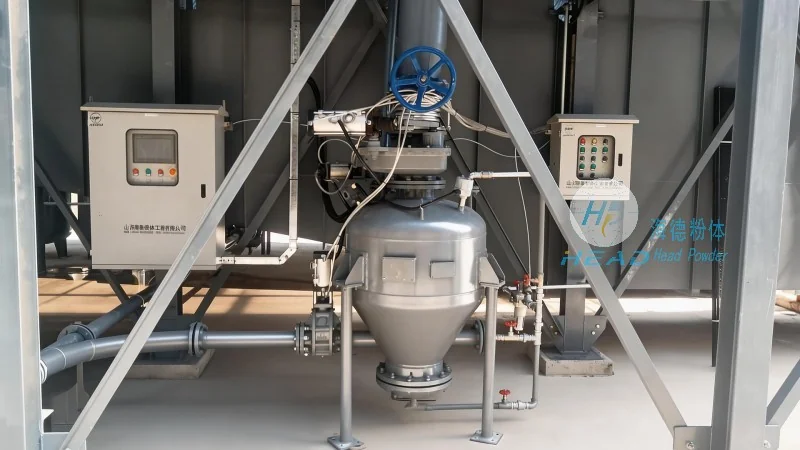
Introduction to Lead Powder Pneumatic Conveying Systems
Pneumatic conveying involves the transport of bulk materials, including lead powder, using a gas stream, typically air or other gases. The process is designed to move materials from one location to another without the need for mechanical components like conveyor belts or buckets. For lead powder, which is often toxic and requires strict handling protocols, pneumatic conveying offers advantages such as enclosed systems that prevent dust dispersion and ensure worker safety. The systems are also capable of handling high volumes of material while maintaining consistent flow rates, making them suitable for large-scale industrial operations.
Company Profile: Shandong HeadPowder Engineering Co., Ltd.
HeadPowder, or Shandong HeadPowder Engineering Co., Ltd., is a leading manufacturer and supplier of specialized pneumatic conveying solutions tailored for lead powder and other hazardous materials. With operations based in Shandong, China, the company leverages decades of industry experience to develop customized systems that meet the unique requirements of clients in the battery, chemical, and metal processing industries. HeadPowder's commitment to quality, safety, and innovation has established it as a trusted partner for businesses seeking reliable and efficient lead powder handling solutions.
Types of Lead Powder Pneumatic Conveying Systems
There are primarily two types of pneumatic conveying systems used for lead powder: positive pressure and negative pressure systems. Each type has distinct characteristics and is suitable for different operational conditions.
Positive Pressure Pneumatic Conveying
Positive pressure systems operate by blowing air or gas into the conveying line, creating a pressure higher than the ambient air pressure. This method is ideal for short to medium-distance transport and is commonly used when the material is to be deposited at a specific location without the need for a receiver. The positive pressure ensures that the material is continuously pushed through the system, minimizing the risk of blockages and ensuring consistent flow. For lead powder, which can be abrasive and prone to caking, positive pressure systems often incorporate features such as pulse jets or rotary valves to maintain smooth material movement.
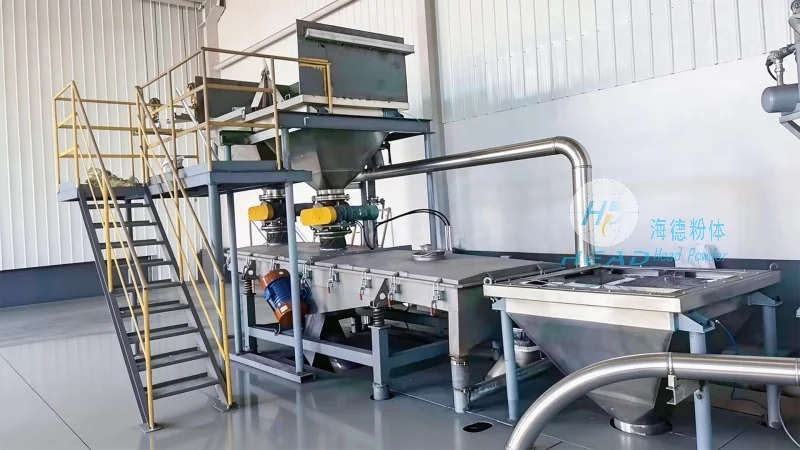
Negative Pressure Pneumatic Conveying
Negative pressure systems, also known as vacuum systems, work by creating a vacuum in the conveying line, drawing material from the source into the system. This approach is particularly effective for long-distance transport and when the material needs to be collected from multiple points and delivered to a central receiver. The negative pressure ensures that the material is drawn efficiently, even in the presence of air currents or other environmental factors. Negative pressure systems are often preferred for lead powder applications where the material is to be transported from a hopper or silo to a processing facility, as they can handle larger volumes and maintain a consistent suction rate.
Key Features of Lead Powder Pneumatic Conveying Solutions
The effectiveness of lead powder pneumatic conveying systems is attributed to several key features that enhance performance, safety, and reliability.
Enclosed and Containment Design
All lead powder pneumatic conveying systems are designed as fully enclosed units to prevent the release of lead dust into the environment. This containment feature is critical for compliance with environmental regulations and for protecting workers from exposure to lead, which is a known health hazard. The systems include sealed hoppers, conveying lines, and discharge points, ensuring that the material remains within the system throughout the transport process.
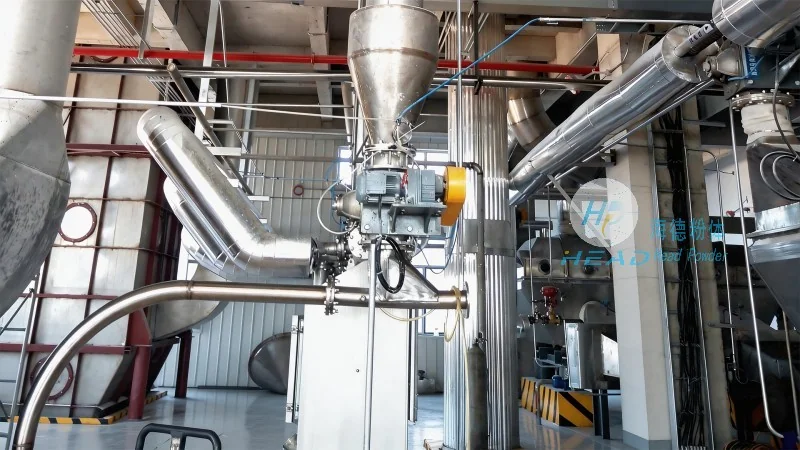
Material Handling Efficiency
Lead powder is a fine, abrasive material that can cause wear and tear on conventional conveying equipment. Pneumatic conveying systems are engineered with materials that resist corrosion and abrasion, such as stainless steel or specialized alloys, to ensure long-term durability. The systems also incorporate features like pulse jets and rotary airlocks to prevent material buildup and maintain consistent flow rates, even with high-volume lead powder transport.
Customization and Scalability
HeadPowder offers customized pneumatic conveying solutions tailored to the specific needs of each client. Whether the application involves short-distance transport within a factory or long-distance delivery to a remote facility, the systems can be scaled to accommodate varying material volumes and operational requirements. The company's engineers work closely with clients to design systems that optimize efficiency, reduce downtime, and minimize maintenance costs.
Application Ranges for Lead Powder Pneumatic Conveying
Lead powder pneumatic conveying systems are widely used across various industries due to their ability to handle hazardous materials safely and efficiently.
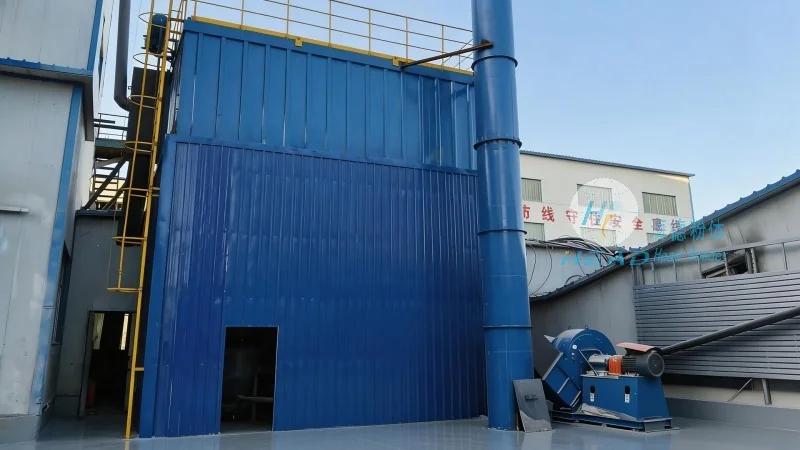
Battery Manufacturing
In the battery industry, lead powder is a primary component in the production of lead-acid batteries. Pneumatic conveying systems are used to transport lead powder from storage silos to mixing and casting equipment. The systems ensure that the material is delivered in a controlled manner, maintaining the required moisture and particle size consistency for optimal battery performance. The enclosed design of the systems prevents lead dust from contaminating the production environment, which is crucial for both worker safety and product quality.
Chemical Processing
Lead powder is also utilized in chemical processing applications, such as the production of lead-based compounds and pigments. Pneumatic conveying systems are employed to transport lead powder from raw material storage to processing reactors and mixing tanks. The systems are designed to handle the corrosive nature of some chemical processes and maintain a clean, dust-free environment. This ensures that the lead powder is mixed with other chemicals in a controlled manner, reducing the risk of reactions or contamination.
Metal Processing and Recycling
Lead powder is used in metal processing and recycling operations, where it may be recovered from scrap lead materials or used as a raw material in smelting processes. Pneumatic conveying systems are effective in transporting lead powder from recycling facilities to smelting furnaces or other processing equipment. The systems are capable of handling large volumes of material and can be integrated with other processing equipment to streamline the recycling process. The enclosed design of the systems ensures that lead dust is not released into the environment, protecting both workers and the surrounding community.
Conclusion
Pneumatic conveying systems offer a reliable and efficient solution for handling lead powder in various industrial applications. The different types of systems, including positive and negative pressure designs, provide flexibility to meet diverse operational needs. Key features such as enclosed containment, material handling efficiency, and customization enhance the performance and safety of these systems. With applications ranging from battery manufacturing to chemical processing and metal recycling, lead powder pneumatic conveying is a critical technology for industries that rely on lead-based materials. HeadPowder, with its expertise and commitment to quality, continues to provide innovative solutions that meet the evolving needs of the lead powder handling industry.