

Types and Characteristics of Corn Flour Pneumatic Conveying Systems and Their Application Ranges
HeadPowder, a leading provider of industrial conveying solutions, specializes in the design and implementation of efficient corn flour pneumatic conveying systems. With a focus on precision and reliability, our company, Shandong HeadPowder Engineering Co., Ltd., based in Shandong, China, offers tailored solutions that meet the unique demands of the corn flour processing industry. This article explores the various types of pneumatic conveying systems used for corn flour, their key characteristics, and the diverse application ranges where they excel.
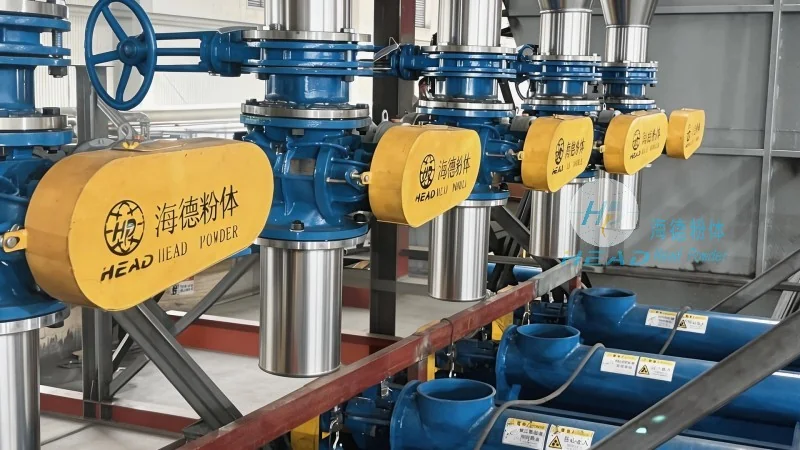
Overview of Corn Flour Pneumatic Conveying Systems
Pneumatic conveying systems are essential for the efficient transport of corn flour from one location to another within processing facilities. These systems utilize air pressure or vacuum to move bulk materials like corn flour through a network of pipes. The primary goal is to achieve a smooth, continuous flow while minimizing product degradation and operational costs. At HeadPowder, we understand that the choice of system type significantly impacts performance, making it crucial to select the right solution for specific operational requirements.
Types of Corn Flour Pneumatic Conveying Systems
There are several types of pneumatic conveying systems commonly used in corn flour processing, each with distinct operational principles and suitability for different scenarios. The most common types include:
1. Dilute Phase Conveying
Dilute phase systems operate by moving corn flour in a low concentration of material suspended in air. This method is ideal for short to medium distances and low to moderate material flow rates. The system typically uses high-velocity air to create a dilute mixture, which is then transported through the pipeline. Dilute phase conveying is often preferred for applications where the material is relatively dry and free-flowing, such as in the initial stages of corn flour processing.
2. Dense Phase Conveying
Dense phase systems, also known as low-velocity conveying, transport corn flour in a higher concentration of material suspended in air. This method is suitable for longer distances and higher material flow rates, as it reduces the risk of material degradation and blockages. The system uses lower air velocities to maintain a dense mixture, which helps in maintaining the integrity of the corn flour particles. Dense phase conveying is commonly used in applications where the material is more sensitive or requires a gentler handling process, such as in the final stages of flour processing or when transporting flour to storage silos.
3. Pressure Conveying
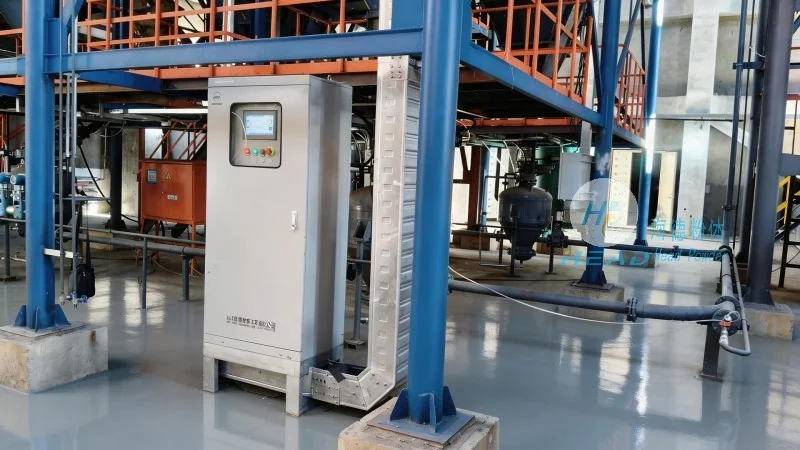
Pressure conveying systems operate by pressurizing the air in the pipeline to move corn flour. This method is effective for both short and long distances and can handle a wide range of material flow rates. The system uses compressed air to create a pressure differential that drives the material through the pipes. Pressure conveying is particularly useful in applications where the material needs to be transported under pressure, such as when moving flour from a processing unit to a storage tank or when integrating with other industrial processes.
4. Vacuum Conveying
Vacuum conveying systems use a vacuum to draw corn flour into the pipeline and move it to the desired location. This method is ideal for short to medium distances and is commonly used for collecting material from multiple points or for transferring flour from a storage bin to a processing unit. Vacuum conveying is often preferred when the material needs to be handled gently, as it reduces the risk of particle breakage and contamination.
Key Characteristics of Corn Flour Pneumatic Conveying Systems
Each type of corn flour pneumatic conveying system has specific characteristics that define its performance and suitability. Understanding these characteristics is essential for selecting the right system for a particular application. The key characteristics include:
1. Material Handling Efficiency
The efficiency of a pneumatic conveying system in handling corn flour is determined by its ability to maintain a consistent flow rate and minimize material loss. Factors such as air velocity, pipe diameter, and system design play a critical role in achieving optimal material handling. At HeadPowder, our systems are engineered to ensure high efficiency, reducing downtime and operational costs for our clients.
2. Material Integrity Preservation
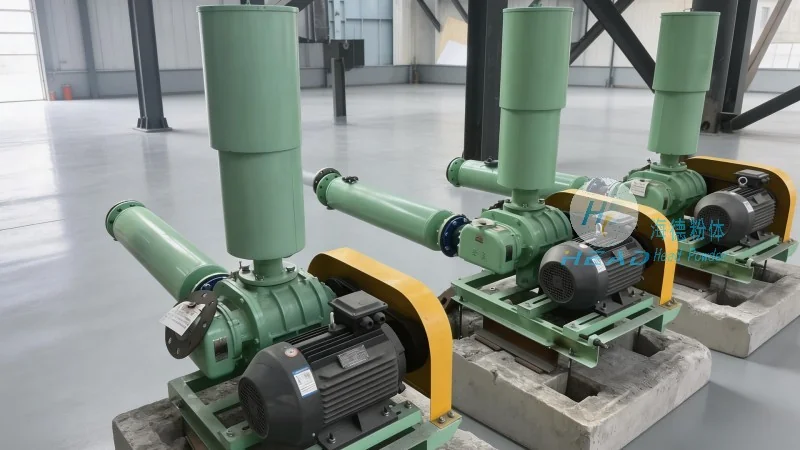
Preserving the integrity of corn flour is a critical consideration in processing. Pneumatic conveying systems must minimize particle breakage, agglomeration, and contamination. The choice of system type, such as dense phase or vacuum conveying, significantly impacts the preservation of material quality. Our systems are designed with features like gentle air flow and appropriate pipe materials to maintain the quality of corn flour throughout the conveying process.
3. Energy Efficiency
Energy consumption is a key factor in the overall cost-effectiveness of pneumatic conveying systems. Efficient systems minimize energy usage while maintaining performance. At HeadPowder, we focus on optimizing energy consumption through advanced design and technology, ensuring that our systems are both effective and cost-efficient for our clients.
4. System Reliability and Durability
Reliability and durability are essential for continuous operation in industrial settings. Pneumatic conveying systems must withstand the demands of daily use and resist wear and tear. Our systems are constructed using high-quality materials and components, ensuring long-term reliability and minimal maintenance requirements. This focus on durability helps our clients reduce operational costs and maintain consistent production.
Application Ranges of Corn Flour Pneumatic Conveying Systems
Corn flour pneumatic conveying systems are widely used in various applications across the corn processing industry. The specific application range depends on the type of system and the operational requirements. The main application ranges include:
1. Corn Flour Processing Plants
In corn flour processing plants, pneumatic conveying systems are used to transport raw corn from storage to processing units, and then to transport the finished flour to storage silos or packaging areas. These systems are crucial for maintaining a smooth production flow and ensuring that the flour is handled efficiently and gently. At HeadPowder, our systems are tailored to meet the specific needs of corn flour processing plants, providing reliable and efficient transport solutions.
2. Flour Storage and Distribution
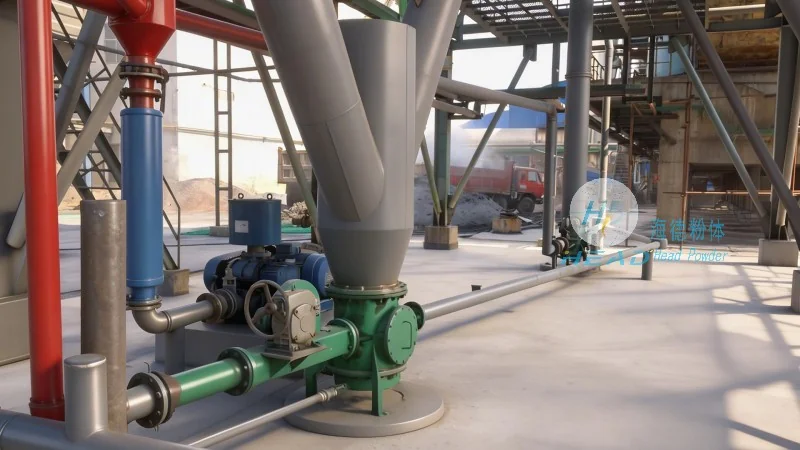
For the storage and distribution of corn flour, pneumatic conveying systems are used to move flour from storage silos to packaging lines or to transport it to distribution centers. These systems help in maintaining inventory levels and ensuring that the flour is delivered to customers in a timely manner. Our systems are designed to handle large volumes of flour and maintain product quality during transport.
3. Food Processing and Manufacturing
Corn flour is widely used in food processing and manufacturing, and pneumatic conveying systems are essential for moving the flour into these processes. Whether it's for baking, snack production, or other food applications, the efficient transport of corn flour is critical. Our systems are suitable for various food processing applications, ensuring that the flour is handled in compliance with food safety standards.
4. Industrial and Chemical Applications
Beyond food processing, corn flour is also used in industrial and chemical applications, such as in the production of biodegradable materials or as a feedstock in certain chemical processes. Pneumatic conveying systems are used to transport corn flour to these industrial facilities, where it serves as a key ingredient. Our systems are versatile and can be adapted to meet the specific requirements of industrial and chemical applications.
Conclusion
HeadPowder, with its expertise in industrial conveying solutions, provides comprehensive solutions for corn flour pneumatic conveying systems. Our systems are designed to meet the diverse needs of the corn flour processing industry, offering efficient, reliable, and cost-effective transport solutions. By understanding the different types, characteristics, and application ranges of these systems, businesses can make informed decisions to enhance their operational efficiency and product quality. Whether you are in the corn flour processing, storage, or distribution sector, HeadPowder offers tailored solutions that can help optimize your operations and meet your specific requirements.