

Types, Features, and Application Scope of Pneumatic Conveying Systems for Soybean and Grain
HeadPowder, a leading manufacturer of pneumatic conveying systems, specializes in solutions tailored for the efficient handling of soybean and grain. This article explores the various types of pneumatic conveying systems, their key characteristics, and the diverse applications where they excel in agricultural and industrial settings.
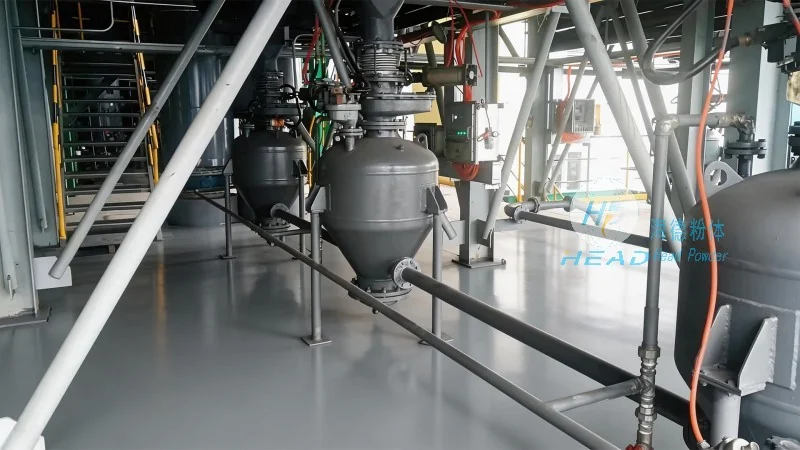
Overview of Pneumatic Conveying Systems for Soybean and Grain
Pneumatic conveying systems are essential for the safe and efficient transport of bulk materials like soybeans and grains from one location to another. These systems utilize air pressure to move materials through a pipeline network, eliminating the need for mechanical components that might cause wear or contamination. The primary advantage of pneumatic conveying is its ability to handle delicate materials without damage, making it ideal for agricultural products that require gentle handling.
Types of Pneumatic Conveying Systems for Soybean and Grain
There are several types of pneumatic conveying systems designed for soybean and grain applications, each with specific operational characteristics and suitability for different processing environments. The main categories include:
1. Dilute Phase Pneumatic Conveying
Dilute phase systems are commonly used for long-distance transport of soybeans and grains. They operate by injecting air into the material stream at a high velocity, creating a mixture of particles and air that travels through the pipeline. This method is efficient for moving materials over distances of several hundred meters to several kilometers, with minimal pressure drop and energy consumption. The system is particularly effective for handling fine or powdery materials, as the air flow helps maintain particle suspension and prevents clogging.
2. Dense Phase Pneumatic Conveying
Dense phase systems are preferred for short-distance transport or when the material requires gentle handling to prevent breakage. Unlike dilute phase systems, dense phase conveying operates at lower air velocities and higher material concentrations, resulting in a more controlled and slower material flow. This method is ideal for transporting fragile products like whole soybeans or grains that are sensitive to impact or abrasion. The system typically uses a positive displacement blower or compressor to maintain a consistent pressure, ensuring the material moves smoothly without excessive agitation.
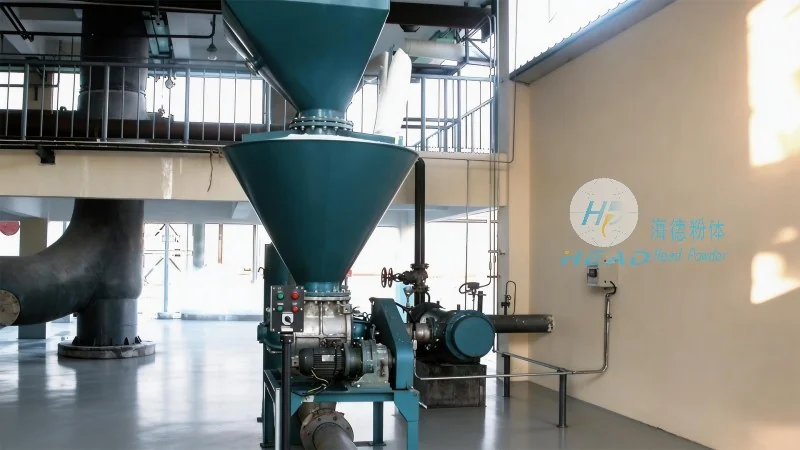
3. Vacuum Pneumatic Conveying
Vacuum systems are used for material recovery or transfer from a source to a destination, often in environments where the material needs to be drawn from a lower or elevated position. These systems create a negative pressure within the pipeline, pulling the material from the source and transporting it to the receiving point. Vacuum conveying is particularly useful for handling dusty or fine materials, as it can effectively collect and transport particles without generating excessive dust or requiring high air velocities. The system is commonly employed in grain storage facilities for transferring grain from silos or bins to processing equipment.
4. Pressure Pneumatic Conveying
Pressure systems are designed for high-pressure applications where the material needs to be pushed through the pipeline with force. These systems use a positive pressure blower or compressor to push the material forward, making them suitable for long-distance or high-capacity transport. Pressure conveying is often used in industrial settings where large volumes of soybeans or grains need to be moved quickly and efficiently, such as in large-scale processing plants or bulk handling facilities. The system can handle a wide range of material sizes and densities, ensuring consistent performance under varying conditions.
Key Features of Pneumatic Conveying Systems for Soybean and Grain
HeadPowder's pneumatic conveying systems for soybean and grain are engineered with several key features that enhance performance, reliability, and user experience. These features include:
1. Gentle Material Handling
The systems are designed to minimize mechanical stress on soybeans and grains, preventing breakage or damage during transport. This is achieved through optimized air velocity control, smooth pipeline surfaces, and the use of flexible or adjustable components that adapt to the material's characteristics. The result is higher product quality and reduced waste, which is critical for agricultural products where maintaining integrity is essential.
2. Efficient Material Transport
Pneumatic conveying systems offer high transport efficiency, with the ability to move large volumes of material over long distances with minimal energy consumption. The systems are equipped with advanced control mechanisms that adjust air pressure and flow rates based on the material's properties and pipeline conditions, ensuring optimal performance. This efficiency translates to lower operational costs and increased productivity for grain and soybean processing operations.
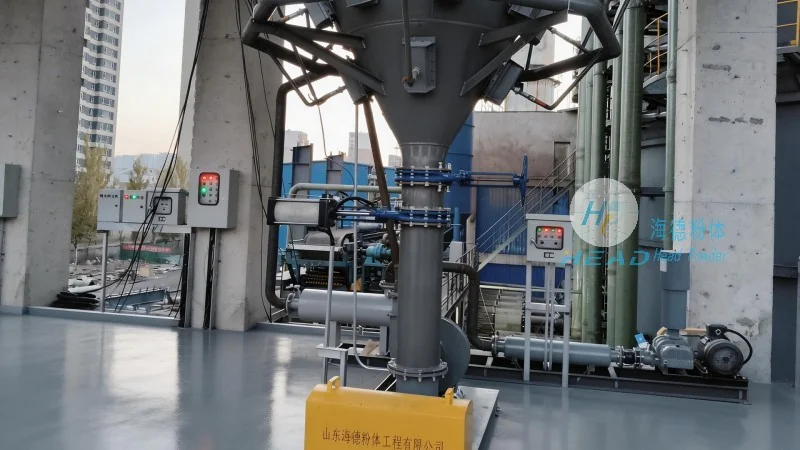
3. Low Maintenance Requirements
HeadPowder's systems are built with durable components and materials that resist corrosion, wear, and abrasion, reducing the need for frequent maintenance. The use of high-quality seals, bearings, and pipeline materials ensures long service life and minimal downtime. Additionally, the systems are designed for easy access to components, allowing for quick inspections and repairs, which further reduces maintenance costs and extends the system's operational lifespan.
4. Versatile Application Compatibility
The pneumatic conveying systems are adaptable to a wide range of applications, from small-scale grain handling in farms to large-scale industrial processing in food and agricultural facilities. The systems can be customized to meet specific requirements, including varying material types, processing capacities, and environmental conditions. This versatility makes them suitable for diverse operations, from storage and transfer to blending and packaging.
Application Scope of Pneumatic Conveying Systems for Soybean and Grain
Pneumatic conveying systems are widely used in various applications within the soybean and grain industry, providing reliable and efficient material handling solutions. The primary applications include:
1. Grain Storage and Transfer
In grain storage facilities, pneumatic conveying systems are used to transfer soybeans and grains from silos, bins, or trucks to processing equipment or storage areas. The systems can handle large volumes of material quickly and safely, ensuring smooth operations in grain elevators and storage complexes. The gentle handling feature of the systems helps maintain the quality of the stored grain, preventing damage that could affect market value.
2. Soybean Processing and Handling
During soybean processing, pneumatic conveying is used to transport raw soybeans from reception areas to processing lines, such as cleaning, dehulling, and crushing. The systems are particularly useful in handling whole soybeans, as they can move the material without causing breakage or damage to the seeds. This is crucial for maintaining the quality of the final products, such as soybean oil and meal, which are sensitive to particle size and integrity.
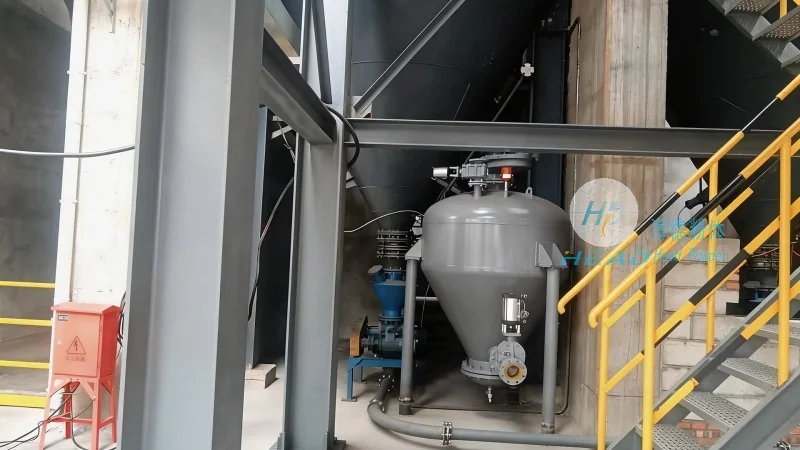
3. Agricultural Field to Processing Plant Transport
For agricultural operations, pneumatic conveying systems can be used to transport harvested soybeans and grains from the field to processing plants or storage facilities. This method is efficient for moving large quantities of material over short to medium distances, reducing the need for manual handling and increasing operational efficiency. The systems can be integrated with harvest equipment or trucks, providing a seamless flow of material from the field to the processing stage.
4. Industrial Blending and Mixing
In industrial settings, pneumatic conveying is used to blend different types of soybeans or grains to create uniform products. The systems can accurately measure and transport specific quantities of each material, ensuring consistent blending ratios. This is essential in food and feed manufacturing, where precise blending is required to meet product specifications and quality standards.
5. Packaging and Distribution
During the packaging and distribution phase, pneumatic conveying systems can be used to transfer finished products from processing lines to packaging machines or storage areas. The systems ensure that the products are handled gently and efficiently, maintaining their quality until they reach the consumer. This is particularly important for high-value grain products, such as specialty grains or organic soybeans, where product integrity is a key selling point.
Conclusion
HeadPowder Engineering Co., Ltd., based in Shandong, China, is a trusted provider of pneumatic conveying systems tailored for soybean and grain applications. The company's expertise in designing and manufacturing efficient, reliable, and versatile systems has made them a preferred choice for agricultural and industrial operations worldwide. By leveraging advanced technology and a deep understanding of material handling needs, HeadPowder continues to deliver solutions that enhance productivity, reduce costs, and maintain product quality in the soybean and grain industry.