

Technical Parameters and Transport System Process for Wood Ash
Shandong HeadPowder Engineering Co., Ltd. specializes in providing advanced solutions for wood ash handling and transportation. This article outlines the key technical parameters and the efficient transport system processes that our company has developed to meet industry demands. Wood ash, a byproduct of biomass combustion, requires specialized handling due to its unique physical and chemical properties. Our transport systems are engineered to ensure safe, reliable, and cost-effective movement of wood ash from production sites to disposal or utilization locations.
Key Technical Parameters of Wood Ash Transport Systems
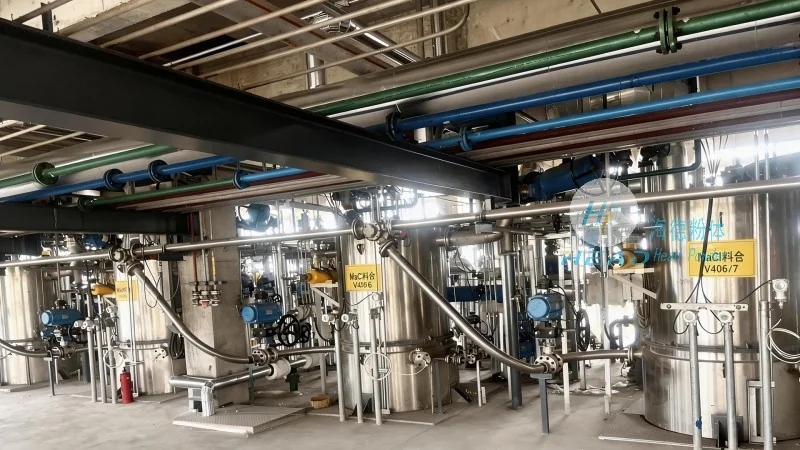
The technical parameters of our wood ash transport systems are meticulously designed to address the challenges associated with handling this material. Key parameters include particle size distribution, moisture content, bulk density, and the required flow rate. These parameters are critical in determining the appropriate equipment selection, such as pneumatic conveyors, screw conveyors, or hydraulic systems. Our engineering team conducts thorough analysis to ensure that the chosen system can handle the specific characteristics of the wood ash being processed. For instance, the particle size can range from fine powders to coarse granules, affecting the selection of conveyor type and speed. Moisture content is another crucial factor, as excessive moisture can lead to blockages or reduced efficiency. By precisely measuring and controlling these parameters, our systems maintain optimal performance and minimize downtime.
Design and Construction of the Transport System
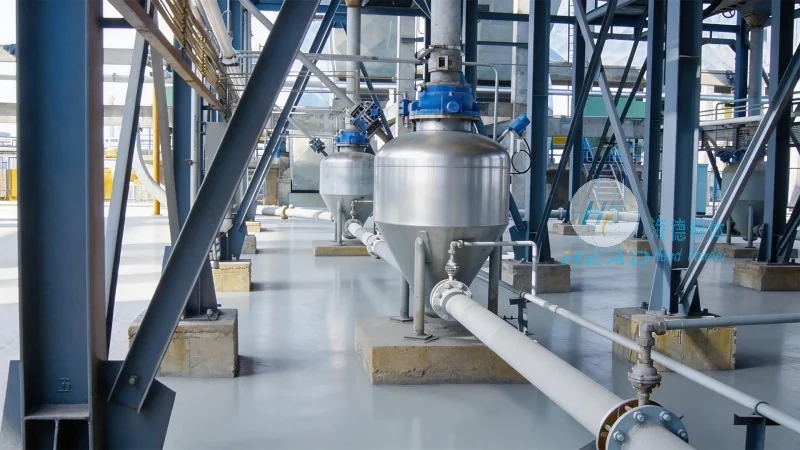
The transport system for wood ash is built with high-quality materials and advanced engineering principles. The components are constructed from corrosion-resistant and wear-resistant materials to withstand the abrasive nature of wood ash particles. The system includes feed hoppers, conveyor lines, and discharge mechanisms, all integrated into a robust framework. The feed hopper is designed to accommodate bulk wood ash and ensure a consistent flow into the conveyor. The conveyor system, whether pneumatic or mechanical, is engineered to handle the specific flow rates and pressure requirements. For pneumatic systems, the air velocity and pressure are carefully calculated to prevent particle segregation and ensure uniform transport. The discharge mechanism is designed to safely release the wood ash at the destination, with options for storage or further processing. The entire system is equipped with monitoring and control devices to provide real-time data on performance and any potential issues.
Operational Efficiency and Maintenance
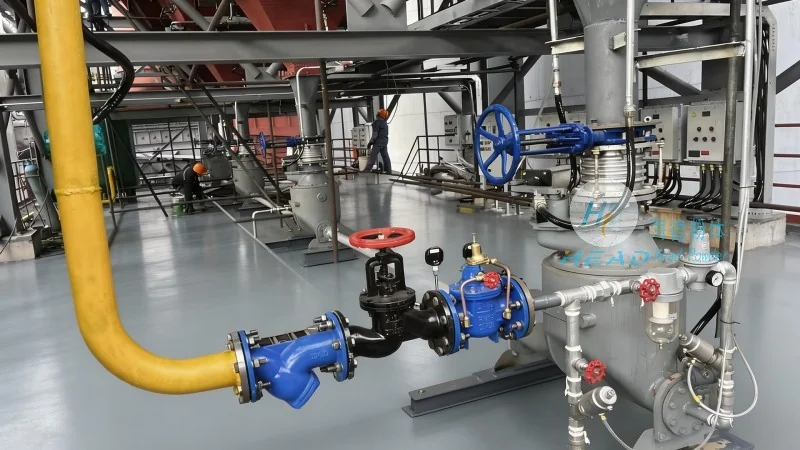
Operational efficiency is a primary focus in the design of our wood ash transport systems. The systems are optimized to minimize energy consumption while maintaining high throughput. The use of variable speed drives and energy-efficient motors helps reduce operational costs. Regular maintenance is essential to ensure the longevity and reliability of the equipment. Our maintenance protocols include routine inspections, component replacement, and cleaning of the conveyor lines. The system is equipped with sensors that detect blockages or abnormal conditions, triggering alarms and automated responses to prevent system failures. This proactive approach to maintenance ensures that the transport system operates at peak efficiency, minimizing downtime and maximizing productivity.
Environmental Considerations
Environmental sustainability is a key consideration in the design and operation of our wood ash transport systems. The systems are engineered to minimize dust emissions and noise pollution. Dust collection systems are integrated into the conveyor lines to capture and filter airborne particles, ensuring compliance with environmental regulations. The use of sealed and enclosed conveyor systems reduces the exposure of personnel to wood ash dust, enhancing workplace safety. Additionally, the systems are designed to be energy-efficient, reducing the carbon footprint associated with wood ash transportation. By incorporating these environmental features, our transport systems contribute to a more sustainable approach to wood ash management.
Application and Integration
Our wood ash transport systems are versatile and can be integrated into various industrial applications. They are commonly used in power plants, biomass facilities, and waste management operations. The systems can be customized to fit specific site requirements, including space constraints and material handling needs. Integration with existing infrastructure is seamless, allowing for a smooth transition to our advanced transport solutions. The systems are designed to be modular, enabling easy expansion or modification as operational needs change. This flexibility ensures that our customers can adapt to evolving industry demands without significant investment in new equipment.