

Technical Parameters and Conveying System Process of Pepper
HeadPowder, an expert in the field of industrial processing, specializes in the design and implementation of efficient conveying systems tailored for the handling of pepper and similar granular materials. This article provides a detailed overview of the technical parameters and the process of the conveying system, highlighting the company's commitment to precision and reliability in material handling solutions.
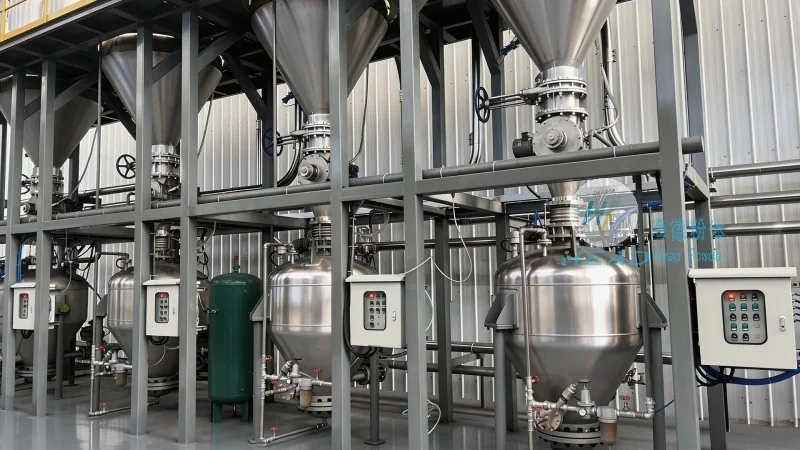
Company Profile: HeadPowder Engineering
HeadPowder Engineering Co., Ltd. is a leading manufacturer and supplier of advanced material handling equipment based in Shandong, China. The company, operating under the brand name headpowder, has established itself as a trusted partner for industries requiring high-performance conveying solutions. With a focus on innovation and customer satisfaction, HeadPowder offers customized systems that meet the specific demands of various applications, ensuring optimal performance and durability.
Technical Parameters of Pepper Handling Systems
The technical parameters for pepper conveying systems are meticulously designed to address the unique characteristics of pepper as a material. Pepper, being a dry, granular product, presents specific challenges in terms of flowability, moisture content, and particle size distribution. The conveying system parameters are optimized to ensure smooth and efficient transport while minimizing product degradation. Key technical aspects include the selection of appropriate conveyor types, such as screw conveyors or pneumatic systems, based on the material's properties and the required processing conditions. The system's design incorporates considerations for material density, bulk density, and the potential for dust generation, all of which are critical for maintaining product quality and operational safety.
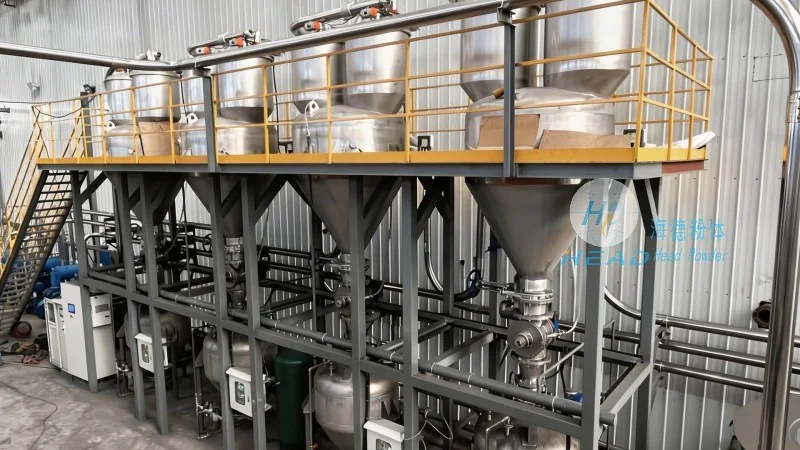
Conveying System Process Overview
The conveying system process for pepper involves several integrated components working in tandem to achieve seamless material transport. The process begins with the reception of raw pepper, where the material is typically stored in bulk containers or silos. From there, the material is fed into the primary conveying equipment, such as a screw conveyor or a bucket elevator, which transports the pepper to the processing or packaging stages. The system is equipped with sensors and control mechanisms to monitor flow rates, pressure, and temperature, ensuring consistent performance. The conveying process is designed to minimize product breakage and maintain the integrity of the pepper's flavor and aroma, which are essential for its market value. Additionally, the system incorporates cleaning and maintenance protocols to prevent contamination and ensure long-term operational efficiency.
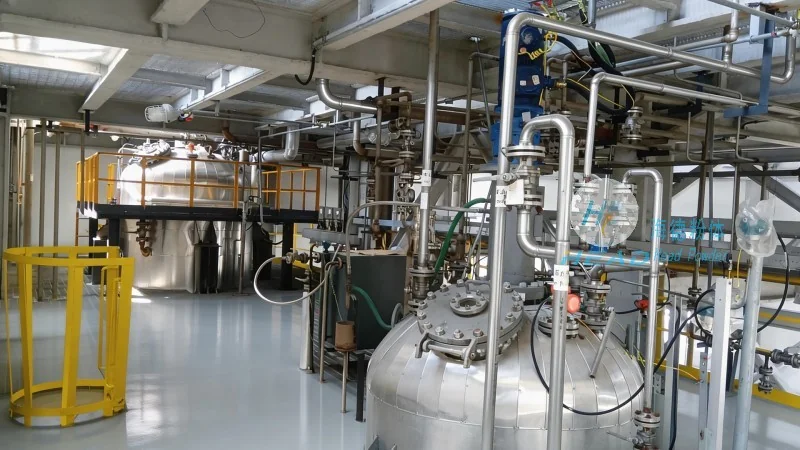
System Components and Their Functions
The conveying system for pepper consists of several key components, each playing a crucial role in the overall operation. The primary components include the inlet hopper, which provides a controlled feed of the material; the conveyor itself, which may be a screw or pneumatic type, depending on the application; and the discharge mechanism, which directs the material to the next stage of processing. The system also includes a dust collection system to manage any airborne particles, ensuring a clean and safe working environment. Control panels and monitoring equipment are integrated to allow operators to adjust the system parameters in real-time, optimizing performance based on production needs. The design of each component is tailored to the specific characteristics of pepper, ensuring that the system operates efficiently and reliably under various conditions.
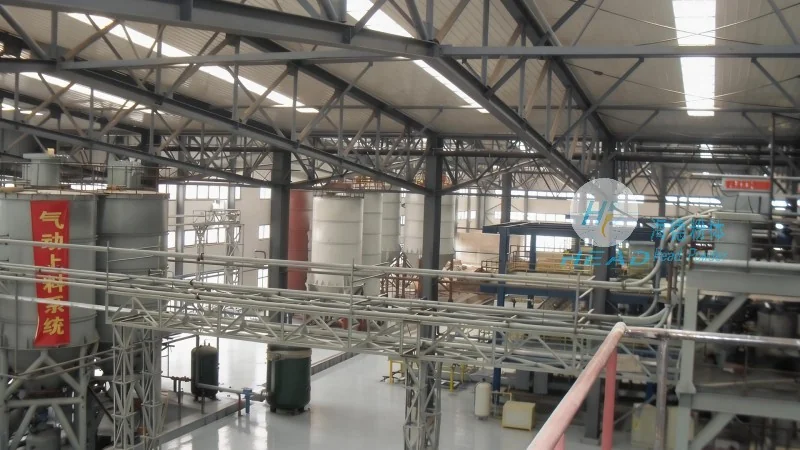
Advantages of the Conveying System
The conveying system developed by HeadPowder offers several advantages over traditional material handling methods. The system's design minimizes the risk of product contamination and damage, preserving the quality of the pepper. The use of advanced materials and engineering ensures high durability and low maintenance costs, reducing operational expenses over the system's lifespan. The system's flexibility allows for easy integration with existing processing lines, enabling seamless upgrades and modifications. Additionally, the system's energy efficiency contributes to lower operational costs and reduced environmental impact. The overall performance of the conveying system is optimized for high throughput, ensuring that production lines can operate at maximum capacity without bottlenecks.
Conclusion
HeadPowder Engineering Co., Ltd. provides comprehensive solutions for pepper conveying systems, combining advanced technology with expert engineering to meet the demands of modern industrial processing. The technical parameters and process outlined in this article demonstrate the company's commitment to delivering reliable and efficient material handling solutions. By leveraging the expertise of headpowder, industries can enhance their production efficiency, maintain product quality, and achieve long-term operational success.