

What is Brewery Sludge Pneumatic Conveying, Classification and Applications of Pneumatic Conveying
Brewery sludge, a byproduct of the brewing process, presents significant challenges in handling and disposal. Traditional methods often involve manual labor and mechanical equipment, which can be inefficient and environmentally unfriendly. Pneumatic conveying, a technology that utilizes compressed air to transport materials, offers a more efficient and hygienic solution for managing brewery sludge. This article explores the concept of brewery sludge pneumatic conveying, its classification, and practical applications within the industry.
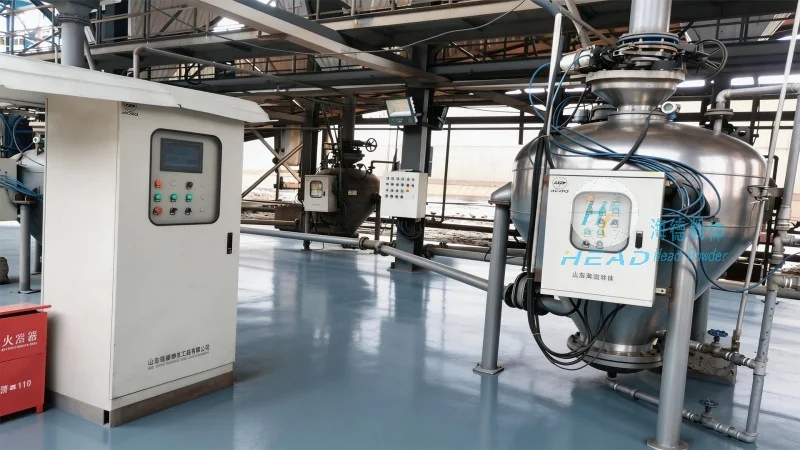
Understanding Pneumatic Conveying Systems
Pneumatic conveying systems are engineered to transport bulk materials through pipelines using compressed air. These systems can be categorized into two primary types: dilute phase and dense phase. Dilute phase systems rely on high-velocity air to keep material particles suspended in the air stream, while dense phase systems employ lower air velocities to transport materials in a more concentrated form. The choice between these types depends on the specific characteristics of the sludge, such as moisture content and particle size.
Components of a Brewery Sludge Pneumatic Conveying System
A typical pneumatic conveying system for brewery sludge includes several key components. The system begins with a hopper or feeder that stores the sludge and feeds it into the pipeline. A blower or compressor provides the necessary air pressure to move the material. The pipeline itself is constructed from materials resistant to corrosion and contamination, such as stainless steel or specialized plastics. At the end of the pipeline, a receiver or silo collects the conveyed sludge. Additionally, filters and separators may be incorporated to remove moisture or other contaminants from the air before it is released back into the environment.

Classification of Pneumatic Conveying Systems
Based on air velocity and material flow, pneumatic conveying systems are classified into several categories. The most common types include: 1. Dilute Phase Conveying: This method uses high air velocity to keep particles suspended in the air stream, suitable for low to medium capacity applications and dry or semi-dry materials. 2. Dense Phase Conveying: This approach uses lower air velocities, transporting materials in a more concentrated form (slug or plug flow), ideal for high-capacity applications and materials sensitive to high air velocities, such as moisture-rich brewery sludge. 3. Vacuum Conveying: This system uses a vacuum to draw materials into the pipeline, commonly used for short-distance transport and materials difficult to feed. 4. Pressure Conveying: This system uses compressed air to push materials through the pipeline, suitable for long-distance transport and materials requiring high pressure to maintain flow.
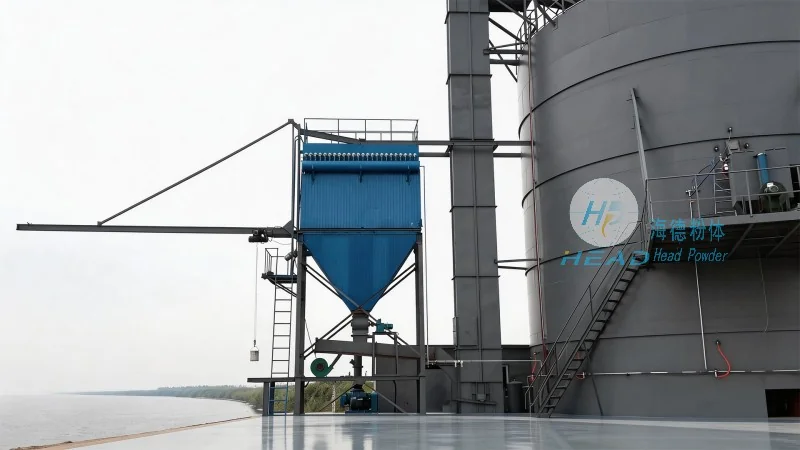
Applications of Pneumatic Conveying in Brewery Operations
Brewery sludge pneumatic conveying is widely utilized in various stages of brewing. A primary application is transferring sludge from fermentation tanks to dewatering or drying units, crucial for reducing sludge volume and preparing it for further treatment or disposal. Another application involves transporting sludge to composting facilities or biogas plants, where it serves as an organic matter source. Additionally, pneumatic conveying can transport sludge to storage silos or other processing units within the brewery. The technology also enhances hygiene by minimizing direct human contact with hazardous sludge.
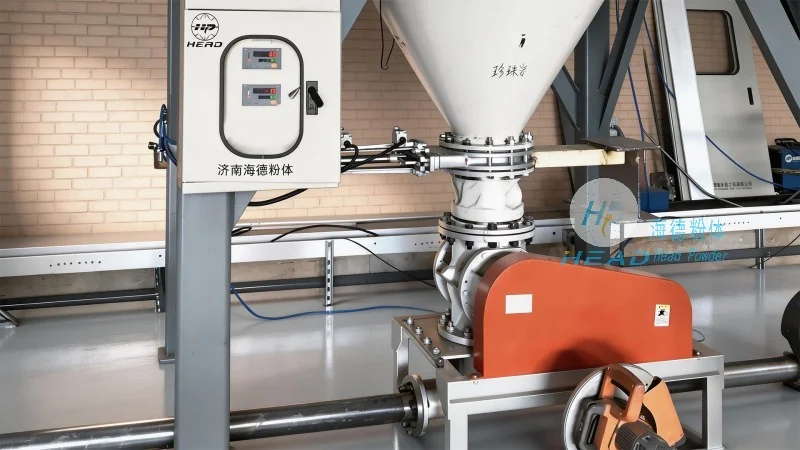
Advantages of Using Pneumatic Conveying for Brewery Sludge
Implementing pneumatic conveying systems for brewery sludge offers several advantages over traditional methods. First, it reduces labor costs by automating sludge handling and transport. Second, it improves safety by limiting direct exposure to potentially hazardous sludge. Third, it enhances operational efficiency with continuous operation and reduced downtime. Fourth, it provides better control over the transport process, ensuring consistent and hygienic handling. Finally, pneumatic conveying systems are more environmentally friendly, reducing the need for water and chemical treatments associated with other sludge management methods.
Considerations for Implementing Pneumatic Conveying Systems
When considering a pneumatic conveying system for brewery sludge, several factors must be evaluated. The first is the sludge's characteristics, including moisture content, particle size, and density, which determine the appropriate system type and required air pressure. The second is the distance and capacity needs; longer distances or higher capacities may require more powerful blowers or compressors. The third is space availability, as pneumatic systems can be compact and installed in existing brewery facilities. Finally, the cost and return on investment must be assessed. While initial investment may be higher than traditional methods, long-term benefits in efficiency, safety, and environmental impact justify the investment.