

What is Pea Pneumatic Conveying? Classification and Applications of Pneumatic Conveying Systems
Pea pneumatic conveying is a specialized form of material handling technology used in the agricultural and food processing industries. It involves the transport of pea seeds or processed pea products through a sealed system using air pressure or vacuum. This method offers efficient, hygienic, and flexible solutions for moving bulk materials, particularly in the context of pea processing operations. The technology is designed to maintain product quality while ensuring minimal contamination and operational efficiency.
Understanding Pneumatic Conveying: Core Principles
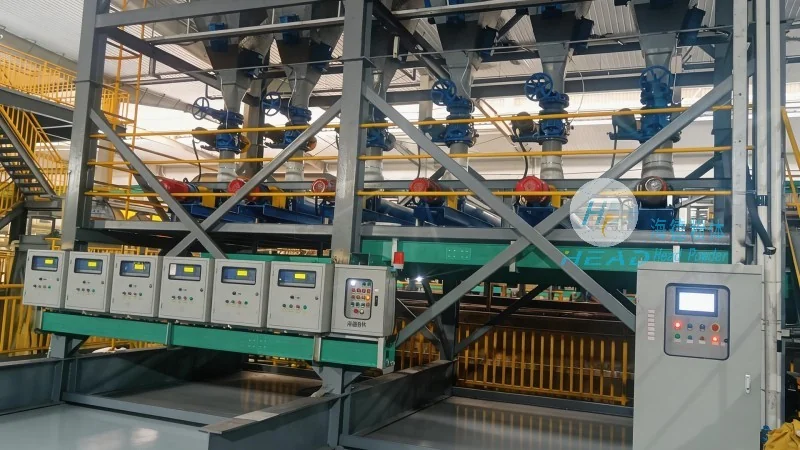
Pneumatic conveying systems operate on the fundamental principle of using air to move particulate materials. Unlike traditional mechanical conveyors, which rely on belts or chains, pneumatic systems utilize air flow to transport the material. The process can be categorized into two main types: positive pressure (or pressure) systems and negative pressure (or vacuum) systems. Positive pressure systems force air and material through a pipeline using a blower or compressor, while negative pressure systems create a vacuum to draw material into the system. Each type has distinct advantages and is selected based on the material characteristics, distance of transport, and system layout requirements.
Key Components of a Pea Pneumatic Conveying System
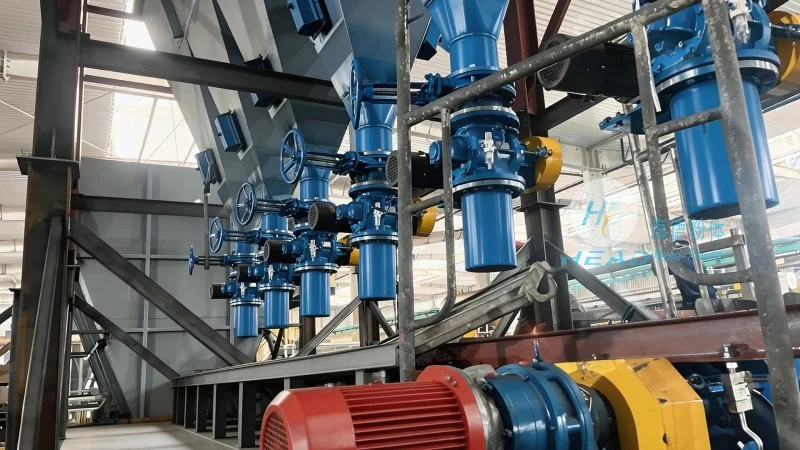
A typical pea pneumatic conveying system consists of several critical components that work in tandem to ensure reliable operation. These include the material feed hopper, which holds the pea bulk and controls the flow rate; the air supply unit (blower or compressor), which generates the necessary air pressure or vacuum; the conveying line, which is typically made of stainless steel or other food-grade materials to maintain hygiene; and the material discharge unit, which delivers the pea product to the next processing stage. Additionally, the system may incorporate filters and cyclones to separate air from the material, ensuring that the air is clean and the product remains free of contaminants. The design of these components is crucial for optimizing performance, reducing energy consumption, and extending the lifespan of the equipment.
Classification of Pneumatic Conveying Systems
Pneumatic conveying systems are broadly classified based on the pressure differentials and operational principles. The primary classifications include:
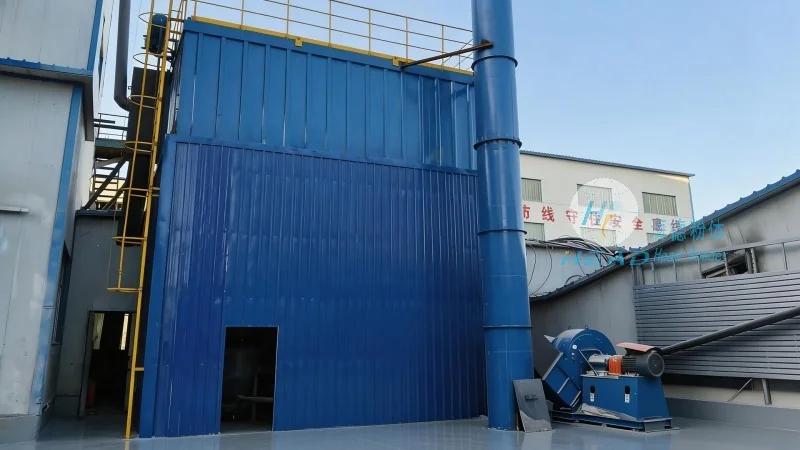
- Positive Pressure (Pressure) Systems: These systems operate by forcing air and material through the pipeline using a positive pressure source. The air is introduced at the inlet, and the material is carried along by the air stream. Positive pressure systems are suitable for short to medium distances and are often used in applications where the material is light and free-flowing, such as pea seeds. They are known for their high efficiency and ability to handle a wide range of particle sizes.
- Negative Pressure (Vacuum) Systems: In contrast, negative pressure systems create a vacuum at the discharge end, drawing material from the source into the system. The material is then carried by the air stream towards the vacuum source. These systems are ideal for longer distances and are commonly used when the material is heavy or has a high moisture content. Negative pressure systems are often preferred in applications where the material needs to be transported from multiple sources to a single destination.
- Combined Systems: Some applications may require a combination of both positive and negative pressure components. For example, a system might use a positive pressure blower to move material from a hopper to a central collection point, and then use a vacuum system to distribute the material to different processing units. This hybrid approach offers flexibility and can optimize the overall transport efficiency.
Applications of Pea Pneumatic Conveying in the Food Industry
The use of pneumatic conveying systems in pea processing is widespread due to their ability to handle bulk materials efficiently and hygienically. Some key applications include:
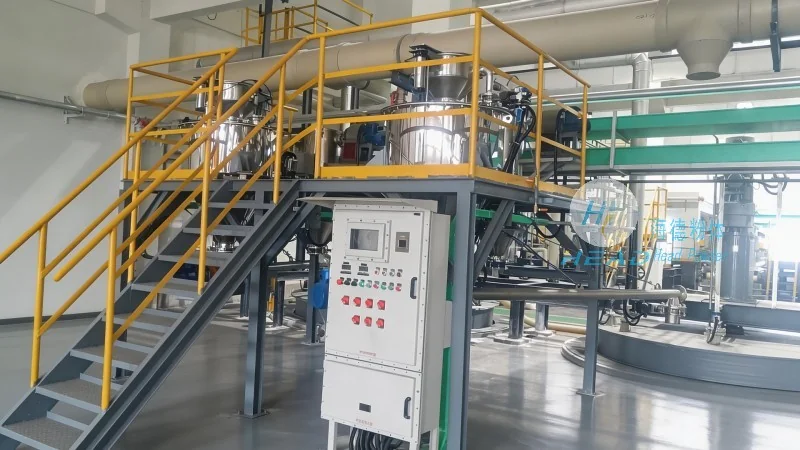
- Pea Harvesting and Storage: After harvesting, peas are often stored in bulk containers. Pneumatic conveying systems can be used to transfer the peas from storage bins to processing facilities, ensuring that the material is moved without manual handling, which reduces the risk of contamination and improves operational speed.
- Pea Processing and Packaging: During the processing stage, peas may undergo cleaning, sorting, and grading. Pneumatic conveyors can transport the cleaned peas to the next processing step, such as drying or canning. The hygienic design of these systems ensures that the product remains free from bacteria and other contaminants, which is critical for food safety standards.
- Pea Product Distribution: Once processed, pea products such as canned peas, frozen peas, or pea flour are often packaged and distributed to retailers. Pneumatic conveying systems can be integrated into the packaging line to move the finished products from the processing area to the packaging machines, streamlining the production process and reducing labor costs.
Benefits of Using Pea Pneumatic Conveying Systems
Implementing pneumatic conveying systems for pea handling offers several advantages over traditional methods. These benefits include:
- Hygienic and Clean Operation: The sealed nature of pneumatic systems prevents dust and contaminants from entering the material, ensuring that the product remains clean and safe for consumption. This is particularly important in the food industry, where compliance with hygiene regulations is mandatory.
- Efficient Material Handling: Pneumatic conveyors can transport large volumes of pea material over long distances with minimal energy consumption compared to mechanical conveyors. This results in lower operational costs and increased productivity.
- Flexibility and Adaptability: The modular design of pneumatic systems allows for easy expansion or reconfiguration of the system to accommodate changes in production volume or processing requirements. This flexibility is valuable for pea processing facilities that may experience fluctuations in demand.
- Reduced Labor Costs: By automating the material transport process, pneumatic systems reduce the need for manual labor, which not only lowers labor costs but also minimizes the risk of workplace injuries associated with handling bulk materials.
- Improved Product Quality: The gentle handling of materials in pneumatic systems minimizes breakage and damage to pea seeds or processed products. This helps maintain the quality and nutritional value of the final product, which is essential for meeting consumer expectations and regulatory standards.
Conclusion: The Role of Pneumatic Conveying in Modern Pea Processing
Pea pneumatic conveying systems represent a sophisticated and efficient solution for handling bulk materials in the agricultural and food processing sectors. By leveraging the principles of air flow and pressure differentials, these systems offer a hygienic, flexible, and cost-effective method for transporting pea products from harvest to final consumption. The classification of pneumatic systems—positive pressure, negative pressure, and combined systems—provides manufacturers with the tools to select the most appropriate technology for their specific operational needs. As the demand for high-quality pea products continues to grow, the adoption of advanced pneumatic conveying systems will play a crucial role in optimizing processing efficiency and ensuring product quality. Companies like Shandong HeadPowder Engineering Co., Ltd., based in China, specialize in designing and manufacturing such systems, providing tailored solutions to meet the unique requirements of pea processing facilities worldwide.