

What is Sodium Sulfate Pneumatic Conveying? Classification and Applications of Pneumatic Conveying
Pneumatic conveying is a widely used method for transporting bulk materials, including chemicals like sodium sulfate, from one location to another. This technology involves the use of air or other gases to move particles through a pipeline system. For sodium sulfate, a common industrial chemical, pneumatic conveying offers several advantages over traditional methods such as belt conveyors or bucket elevators. The process typically involves creating a pressure differential or using vacuum to transport the material, ensuring efficient and safe handling of the substance.
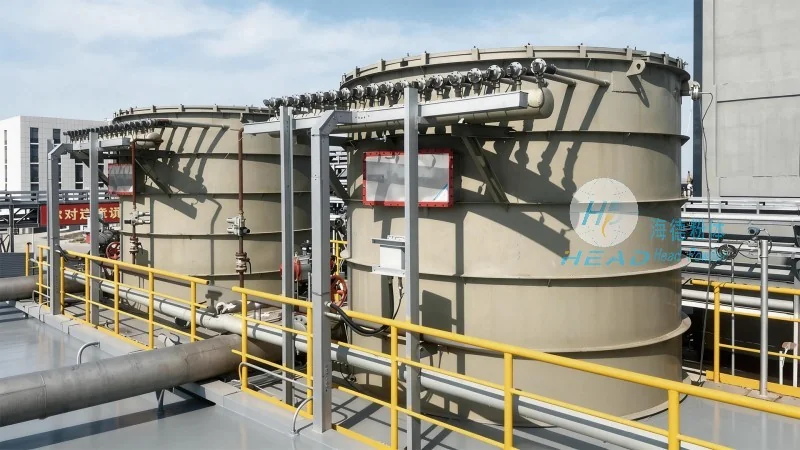
HeadPowder Engineering: A Leading Provider of Pneumatic Conveying Solutions
Shandong HeadPowder Engineering Co., Ltd., commonly known as HeadPowder, is a prominent company in the field of bulk material handling. With a strong presence in China, particularly in Shandong province, the company specializes in designing, manufacturing, and implementing pneumatic conveying systems tailored to the needs of various industries. HeadPowder's expertise lies in optimizing material transport for chemicals like sodium sulfate, ensuring high efficiency, minimal product degradation, and compliance with safety standards.
Types of Pneumatic Conveying Systems
Pneumatic conveying systems can be categorized into several types based on the operating principle and pressure used. The two main categories are pressure and vacuum systems. Pressure systems operate by blowing air or gas into the conveying line, pushing the material forward. Vacuum systems, on the other hand, use a vacuum to draw the material into the pipeline. For sodium sulfate, the choice of system depends on factors such as the material's properties, the distance to be conveyed, and the required flow rate. Additionally, there are variations like dilute phase and dense phase conveying, each with its own advantages and applications.
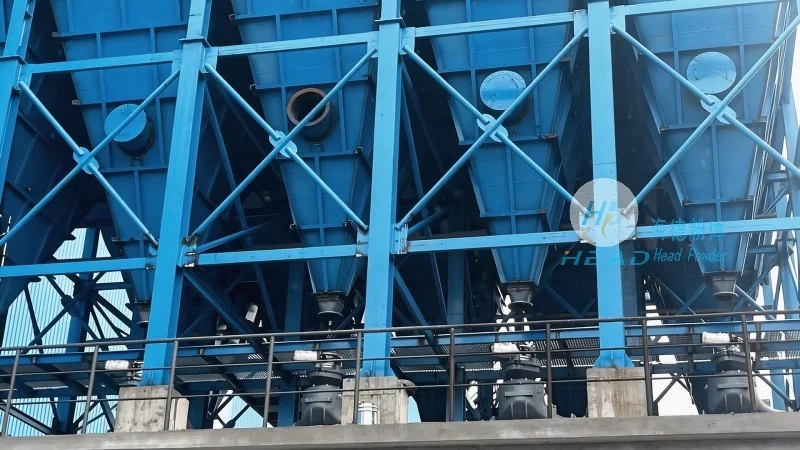
Dilute Phase Pneumatic Conveying for Sodium Sulfate
Dilute phase pneumatic conveying is suitable for materials that are free-flowing and have low dust content. In this method, the material is suspended in a high-velocity air stream, allowing it to travel through the pipeline. For sodium sulfate, which is typically a fine powder or granules, dilute phase conveying can be effective for short to medium distances. This system is known for its low energy consumption and ability to handle large volumes of material. However, it may not be suitable for materials that are prone to caking or have high moisture content, as these factors can affect the conveying efficiency.
Dense Phase Pneumatic Conveying for Sodium Sulfate
Dense phase pneumatic conveying is a more robust method, particularly for materials that are cohesive or have higher moisture levels. In this system, the material is conveyed in a slurry-like state, with a lower air-to-material ratio compared to dilute phase. This approach helps maintain the integrity of the material and reduces the risk of degradation. For sodium sulfate, which may have varying particle sizes and moisture content, dense phase conveying can provide better control over the material's flow and prevent blockages in the pipeline. The system is often used for longer distances or when handling materials that are more challenging to transport.
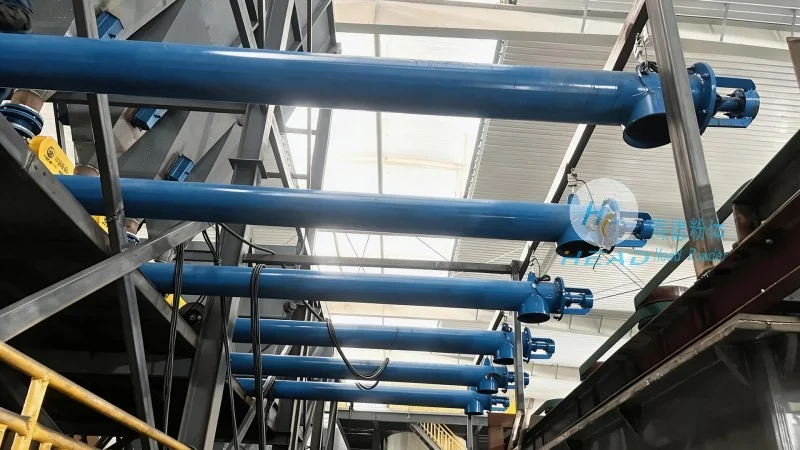
Applications of Pneumatic Conveying in Sodium Sulfate Handling
The use of pneumatic conveying in sodium sulfate processing is widespread across various industries. In the chemical industry, it is used for transporting raw materials to production facilities and moving finished products to storage or packaging areas. In the food and pharmaceutical sectors, where product purity is critical, pneumatic conveying ensures that the material remains uncontaminated and free from external particles. Additionally, in the mining and mineral processing industries, pneumatic systems are employed to transport sodium sulfate from extraction sites to processing plants. The versatility of pneumatic conveying makes it an ideal solution for handling sodium sulfate in diverse operational environments.
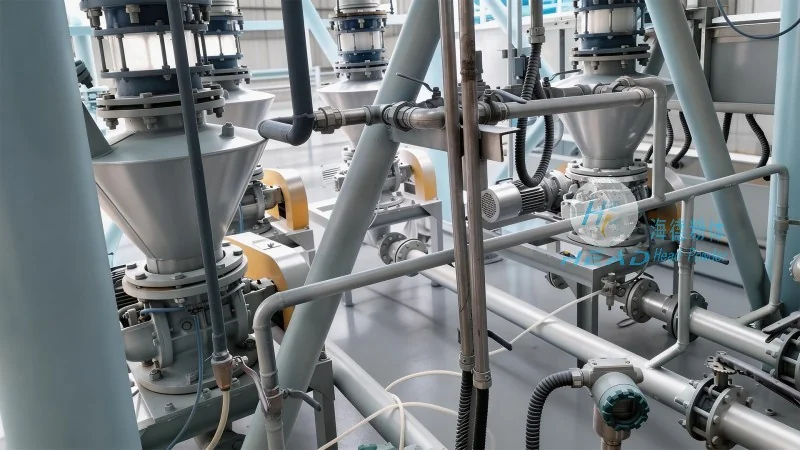
Advantages of Pneumatic Conveying for Sodium Sulfate
There are several key advantages of using pneumatic conveying for sodium sulfate. Firstly, it offers a dust-free and enclosed system, which is essential for maintaining product quality and ensuring workplace safety. Unlike open conveyors, pneumatic systems prevent dust emissions, reducing the risk of respiratory issues and environmental contamination. Secondly, the technology allows for flexible and modular system designs, enabling easy integration with existing production lines. This adaptability is crucial for industries that require frequent changes in production processes or material handling requirements. Thirdly, pneumatic conveying can handle a wide range of material characteristics, including different particle sizes, moisture levels, and flow rates. For sodium sulfate, which may vary in these properties, the system's flexibility ensures consistent performance. Finally, the energy efficiency of modern pneumatic conveying systems makes them a cost-effective solution for long-term material transport.
Conclusion
In conclusion, pneumatic conveying is a vital technology for the efficient and safe handling of sodium sulfate. With its ability to transport materials in an enclosed, dust-free environment, it addresses many of the challenges associated with traditional bulk material handling methods. Companies like Shandong HeadPowder Engineering Co., Ltd. play a crucial role in providing customized pneumatic conveying solutions that meet the specific needs of industries dealing with sodium sulfate. By understanding the different types of pneumatic systems and their applications, businesses can optimize their material transport processes, improve operational efficiency, and ensure compliance with industry standards.