

What is Protein Powder Pneumatic Conveying? Classification and Applications of Pneumatic Conveying
Pneumatic conveying is a widely used method for transporting bulk materials, including protein powders, in various industrial settings. This technology involves the use of air or gas to move powders through a pipeline system, offering advantages such as efficiency, cleanliness, and the ability to handle sensitive materials like protein powders without contamination. Understanding the principles and applications of pneumatic conveying is crucial for industries that rely on the consistent and safe transport of these products. HeadPowder, a leading provider of engineering solutions for the food and beverage industry, specializes in designing and implementing pneumatic conveying systems tailored to the unique needs of protein powder manufacturers.
Understanding Pneumatic Conveying Systems
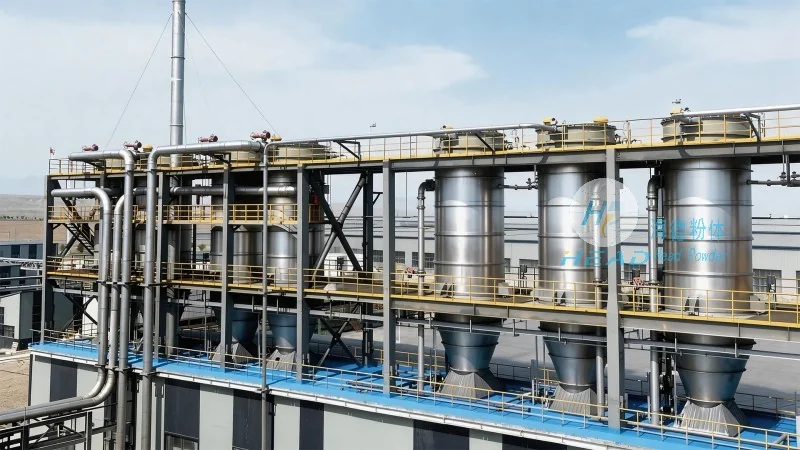
Pneumatic conveying systems are designed to transport materials by creating a flow of air or gas that propels the powder particles through a pipeline. The system typically consists of a hopper, a conveyor line, and a receiver. The hopper holds the protein powder, and the conveyor line uses air pressure or vacuum to move the powder from the source to the destination. This method is particularly suitable for protein powders due to their fine particle size and sensitivity to moisture or contamination. The engineering expertise at Shandong HeadPowder Engineering Co., Ltd. ensures that these systems are optimized for the specific characteristics of protein powders, minimizing the risk of agglomeration or degradation during transport.
Types of Pneumatic Conveying for Protein Powders
There are two main types of pneumatic conveying systems used for protein powders: pressure and vacuum systems. Pressure systems use compressed air to push the powder through the pipeline, while vacuum systems use a vacuum to pull the powder. Each type has its own advantages and is chosen based on the specific requirements of the application, such as the distance to be covered, the volume of material to be transported, and the need for gentle handling. The choice of system is a critical decision that impacts the overall efficiency and cost-effectiveness of the protein powder handling process.
Pressure Pneumatic Conveying Systems
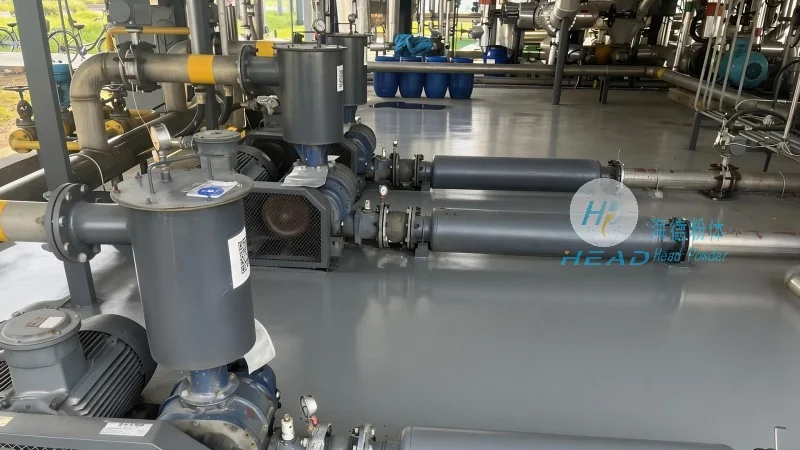
Pressure pneumatic conveying systems are commonly used for short to medium distances and high-volume transport of protein powders. These systems operate by injecting compressed air into the material stream at the hopper, creating a high-pressure environment that propels the powder through the pipeline. The system typically includes a blower or compressor to generate the necessary air pressure. Pressure systems are efficient for applications where the material needs to be moved quickly and with minimal pressure loss. They are particularly effective for transporting protein powders from storage silos to processing equipment or packaging lines. The robust design of these systems, developed by Shandong HeadPowder Engineering Co., Ltd., ensures reliable operation even under demanding conditions.
Vacuum Pneumatic Conveying Systems
Vacuum pneumatic conveying systems are ideal for longer distances and more delicate handling of protein powders. These systems use a vacuum pump to create a low-pressure environment that draws the powder from the source into the pipeline. The vacuum is maintained along the entire length of the pipeline, ensuring that the powder is transported gently and without excessive pressure on the particles. Vacuum systems are commonly used when the protein powder needs to be transported from multiple points or over longer distances, such as from a production line to a storage facility. They are also suitable for applications where the material is sensitive to high pressure or where the need for gentle handling is critical. The advanced vacuum technology employed by HeadPowder ensures that even the most delicate protein powders are handled with precision and care.
Applications of Pneumatic Conveying in Protein Powder Industry
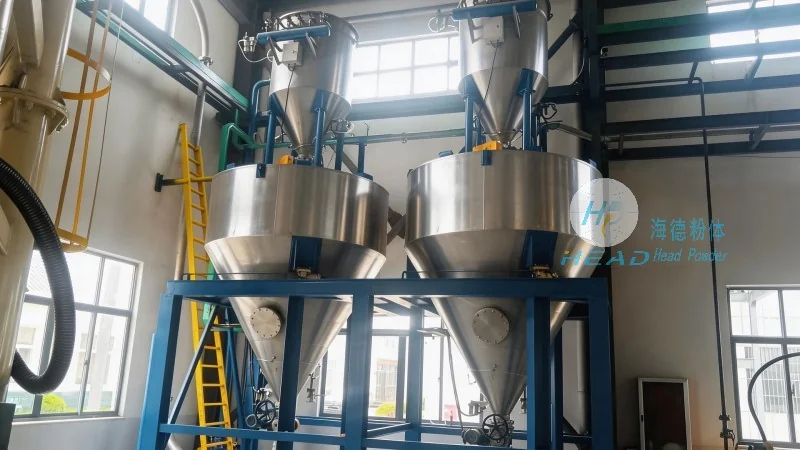
Pneumatic conveying is widely used in the protein powder industry for various applications, including material handling, processing, and packaging. In material handling, the system is used to transport protein powders from storage silos to production lines, ensuring a continuous and efficient supply of raw materials. During processing, pneumatic conveying can be used to move the powder through various stages, such as mixing, blending, and filtration, without the need for manual handling. In packaging, the system can be used to transport the finished protein powder from the processing line to the packaging equipment, ensuring that the product is handled gently and without contamination. The comprehensive solutions offered by Shandong HeadPowder Engineering Co., Ltd. cover all aspects of pneumatic conveying, from system design to installation and maintenance.
Benefits of Using Pneumatic Conveying for Protein Powders
There are several benefits to using pneumatic conveying for protein powders. First, the system is highly efficient, as it can transport large volumes of material quickly and with minimal energy consumption. Second, the system is clean and hygienic, as it eliminates the need for manual handling and reduces the risk of contamination. Third, the system is gentle on the protein powder, as it uses low pressure and minimal friction to move the particles, preserving the quality and integrity of the product. Fourth, the system is flexible, as it can be easily adjusted to accommodate changes in production volume or material properties. These benefits make pneumatic conveying an ideal choice for industries that require high-quality, consistent, and safe transport of protein powders. The expertise of HeadPowder in this field ensures that clients receive systems that meet the highest standards of performance and reliability.