

What is Metal Powder Pneumatic Conveying? Classification and Applications of Pneumatic Conveying
HeadPowder, a leading provider in the field, specializes in advanced solutions for metal powder handling. Pneumatic conveying is a critical technology for transporting metal powders efficiently and safely. This article explores the fundamentals of metal powder pneumatic conveying, its classification, and practical applications in various industries.
Understanding Pneumatic Conveying for Metal Powders
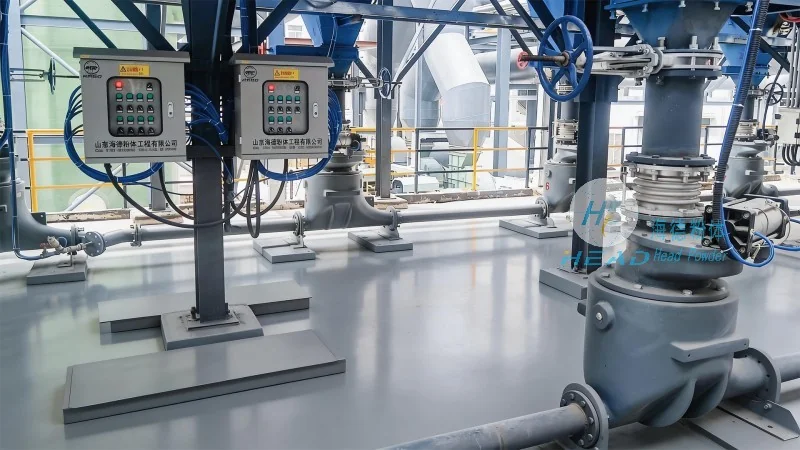
Metal powder pneumatic conveying involves the use of air or other gases to transport dry powders, including metal powders, through a pipeline system. The process relies on the principle of creating a pressure differential to move the material. Unlike traditional methods like bucket elevators or belt conveyors, pneumatic systems offer advantages such as reduced contamination, lower maintenance, and the ability to handle fine or abrasive powders without degradation.
Classification of Pneumatic Conveying Systems
Pneumatic conveying systems for metal powders are typically classified into two main categories: pressure and vacuum systems. Pressure systems operate by forcing air or gas into the conveying line, pushing the powder forward. These systems are suitable for long-distance and high-volume applications. Vacuum systems, on the other hand, use a vacuum to draw the powder into the system, making them ideal for short-distance or low-volume transport, especially when dealing with powders that are sensitive to pressure changes.
Key Components of Metal Powder Pneumatic Conveying
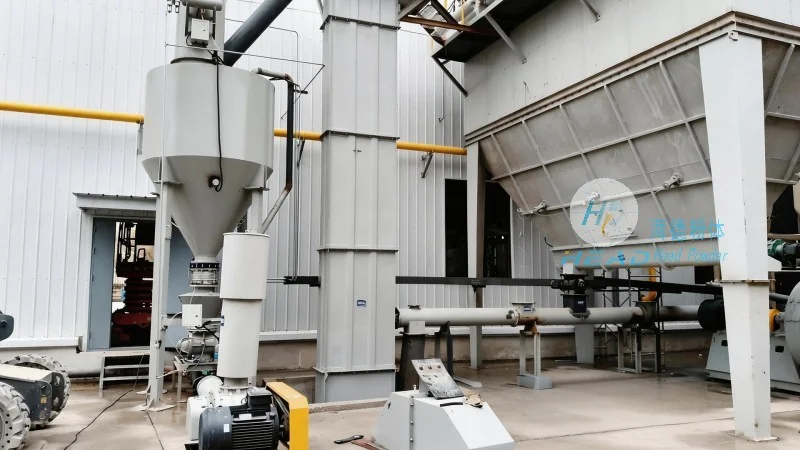
Effective metal powder pneumatic conveying systems consist of several key components. These include the hopper or feeder, which stores and feeds the powder; the conveying line, which transports the material; the air compressor or vacuum pump, which provides the necessary pressure or vacuum; and the control system, which regulates the flow and pressure. Each component plays a crucial role in ensuring the system operates efficiently and safely.
Applications of Metal Powder Pneumatic Conveying
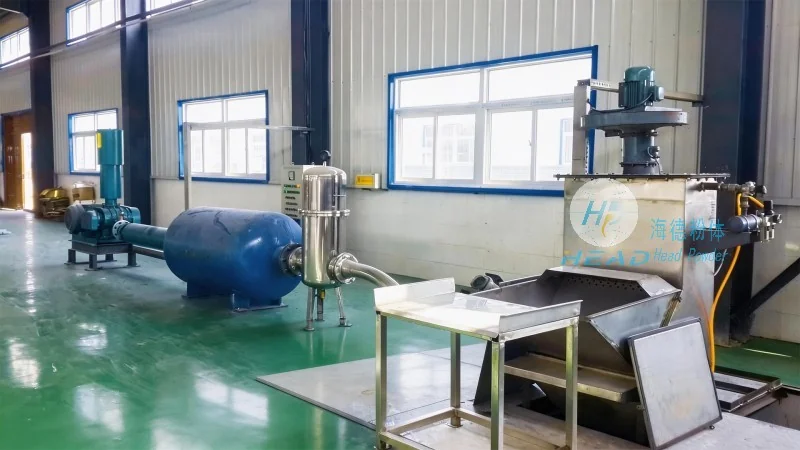
The applications of metal powder pneumatic conveying span multiple industries. In the aerospace industry, it is used for transporting aluminum, titanium, and other metal powders for additive manufacturing and composite production. The automotive industry relies on it for handling steel and aluminum powders in powder metallurgy processes. The electronics industry uses it to transport copper and silver powders for circuit board manufacturing. Additionally, in the chemical and pharmaceutical sectors, pneumatic conveying is employed for handling metal powders in research and production settings.
Benefits and Considerations in Metal Powder Pneumatic Conveying
Implementing metal powder pneumatic conveying offers several benefits. These include improved product quality by minimizing contamination and degradation, enhanced safety by reducing manual handling of powders, and increased efficiency through automated operation. However, there are also considerations to keep in mind. For instance, the choice of system type depends on the powder characteristics, such as particle size, density, and flowability. Proper system design and maintenance are essential to prevent blockages and ensure consistent performance.