

What is Foam Particle Pneumatic Conveying, Classification and Applications of Pneumatic Conveying
Foam particle pneumatic conveying is a specialized method of material handling that involves the use of air or gas to transport particulate materials. This technology is particularly effective for handling materials that are difficult to convey through traditional methods, such as fine powders, granules, or bulk solids. The process typically involves creating a foam mixture by injecting air or gas into a liquid carrier, which then carries the particles through a pipeline. This method enhances the conveying efficiency and reduces the risk of material degradation or clogging compared to conventional pneumatic systems.
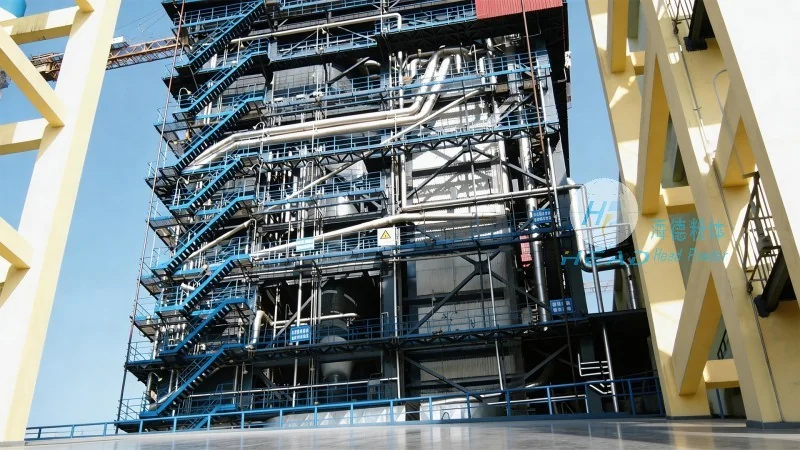
Classification of Pneumatic Conveying Systems
Pneumatic conveying systems can be broadly classified into two main categories: dilute-phase and dense-phase systems. Dilute-phase systems operate at higher velocities, typically 20-30 meters per second, and are suitable for short-distance transport of light materials. Dense-phase systems, on the other hand, operate at lower velocities (5-15 meters per second) and are used for longer distances or for materials that are more prone to degradation. Foam particle pneumatic conveying falls under the dense-phase category due to its ability to create a stable foam that can transport particles more gently and efficiently.
Key Components and Working Principle
The core components of a foam particle pneumatic conveying system include a foam generator, a material feed hopper, a conveying pipeline, and a receiver. The foam generator mixes air or gas with a liquid (often water or a specialized solution) to create a stable foam. The particulate material is then fed into the foam stream, and the mixture is transported through the pipeline to the receiver. The foam acts as a carrier, providing the necessary lift and transport force while minimizing particle attrition and equipment wear. This system is particularly advantageous for materials that are sensitive to high velocities or mechanical stress.
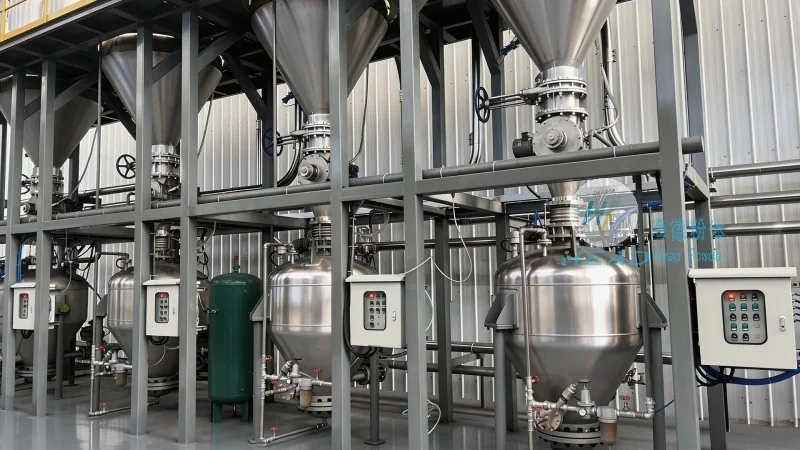
Applications in Industrial Settings
Foam particle pneumatic conveying is widely used in various industrial applications, including pharmaceutical manufacturing, food processing, chemical processing, and mining. In pharmaceutical industries, it is used to transport fine powders of active ingredients and excipients with high precision and minimal contamination. In food processing, it helps in conveying ingredients like flour, sugar, and spices while maintaining product quality and hygiene. Chemical processing facilities utilize this method for handling corrosive or abrasive powders, ensuring safe and efficient material transfer. Mining operations also benefit from foam particle conveying for transporting ore and other bulk solids over long distances with reduced environmental impact.
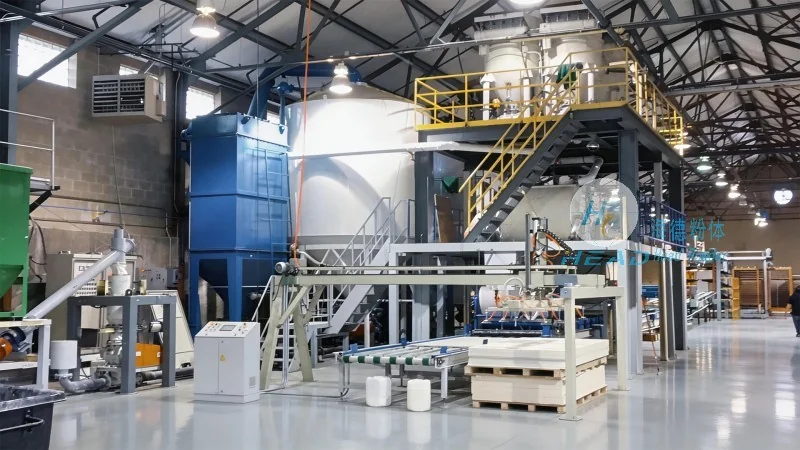
Advantages of Foam Particle Pneumatic Conveying
Compared to traditional pneumatic conveying, foam particle pneumatic conveying offers several advantages. Firstly, it significantly reduces the risk of material degradation due to lower conveying velocities and gentler handling. This is crucial for heat-sensitive or fragile materials. Secondly, the foam provides better control over particle dispersion, leading to more uniform material distribution in the receiver. Thirdly, the system is more energy-efficient as it operates at lower air velocities, reducing power consumption. Additionally, foam particle conveying can handle a wider range of particle sizes and densities, making it versatile for various industrial applications. The technology also minimizes equipment wear and maintenance costs, as the foam acts as a cushioning medium that protects the pipeline and other components from abrasion.
Company Overview: Shandong HeadPowder Engineering Co., Ltd.
Shandong HeadPowder Engineering Co., Ltd., based in Shandong, China, is a leading provider of advanced material handling solutions, including foam particle pneumatic conveying systems. The company specializes in designing, manufacturing, and installing customized conveying systems tailored to the specific needs of various industries. With a strong focus on innovation and quality, HeadPowder Engineering leverages cutting-edge technology to develop efficient and reliable solutions that enhance productivity and reduce operational costs for its clients. The company's expertise in foam particle conveying ensures that customers receive systems that are optimized for their material characteristics and application requirements, providing long-term performance and durability.