

What is Sintered Dust Pneumatic Conveying? Classification and Applications of Pneumatic Conveying
Understanding sintered dust pneumatic conveying is crucial for industries dealing with fine particulate materials, as it offers efficient and effective solutions for material handling. This article explores the fundamentals of sintered dust pneumatic conveying, its classification, and practical applications, providing insights into how this technology enhances operational efficiency in various industrial settings.
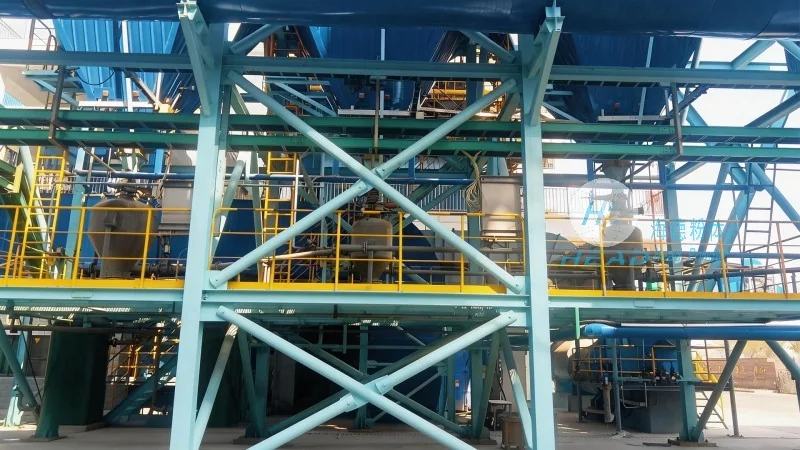
Introduction to Sintered Dust Pneumatic Conveying
Sintered dust, often produced in processes like sintering, is a fine particulate material that requires specialized handling methods due to its properties such as low bulk density and high dustiness. Pneumatic conveying, a method that uses air or gas to transport solid particles, is particularly suitable for handling sintered dust. This technology involves creating a flow of air through a pipeline, which draws or pushes the dust particles along the system. The efficiency of sintered dust pneumatic conveying depends on factors like particle size, moisture content, and the design of the conveying system.
Key Components of Sintered Dust Pneumatic Conveying Systems
Effective sintered dust pneumatic conveying systems typically consist of several key components. These include the material feed system, which introduces the sintered dust into the conveying line; the conveying line itself, which may be made of metal or plastic and is designed to withstand the pressure and temperature of the process; and the air supply system, which provides the necessary airflow to move the particles. Additionally, components like cyclones, filters, and dust collectors are often integrated to separate the dust from the air and ensure proper filtration. The design of each component is critical to the overall performance and reliability of the system.
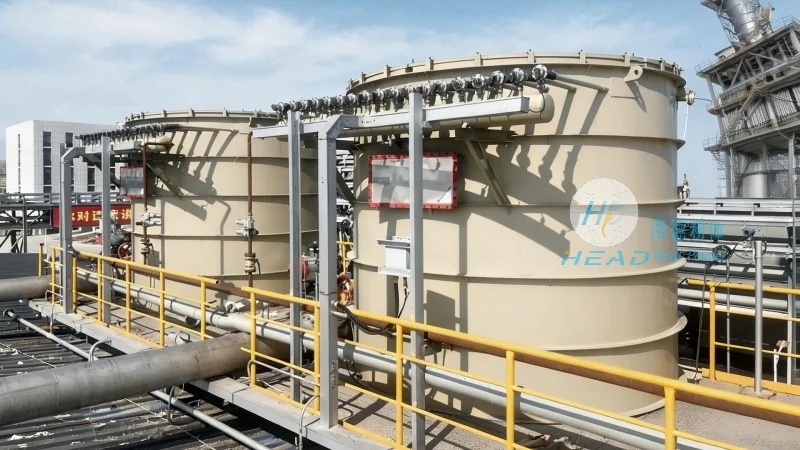
Classification of Pneumatic Conveying Systems
Pneumatic conveying systems are generally classified into two main categories: pressure and vacuum systems. Pressure systems use compressed air to push the material through the pipeline, while vacuum systems use a vacuum to draw the material into the line. Within these categories, there are further subtypes based on the velocity and pressure of the air used. For sintered dust, pressure systems are often preferred due to their ability to handle higher particle loads and longer distances. However, vacuum systems can be more suitable for applications requiring gentle handling or when the material is sensitive to pressure.
Applications of Sintered Dust Pneumatic Conveying
Sintered dust pneumatic conveying is widely used in various industries, including steel production, mining, and chemical processing. In steel plants, for example, sintered dust is used as a raw material for the production of iron ore pellets, and pneumatic conveying systems efficiently transport it from storage to processing units. In mining operations, the technology is used to move fine ore dust from processing facilities to storage or for further treatment. The chemical industry also benefits from sintered dust pneumatic conveying, as it allows for the safe and efficient transport of dust from reactors and processing equipment. These applications highlight the versatility and importance of pneumatic conveying in modern industrial operations.
Advantages of Sintered Dust Pneumatic Conveying
Compared to traditional material handling methods like belt conveyors or bucket elevators, sintered dust pneumatic conveying offers several advantages. One of the primary benefits is the ability to handle fine, dusty materials without the need for additional equipment like hoppers or chutes. This reduces the risk of material buildup and improves overall system efficiency. Additionally, pneumatic conveying systems can be designed to operate in a closed loop, minimizing dust emissions and improving workplace safety. The flexibility of these systems also allows for easy integration with existing industrial processes, making them a cost-effective solution for many applications.
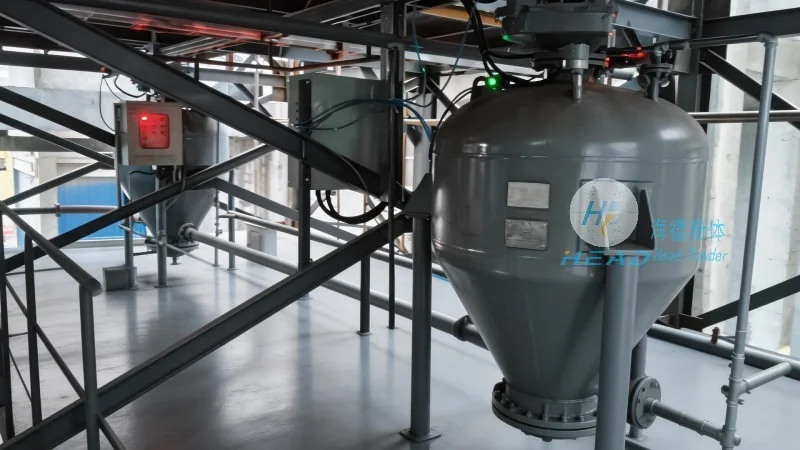
Considerations for Implementing Sintered Dust Pneumatic Conveying
When implementing a sintered dust pneumatic conveying system, several factors must be considered to ensure optimal performance. The first is the characteristics of the sintered dust itself, including particle size distribution, moisture content, and bulk density. These properties affect the air velocity required for effective conveying and the design of the system components. Another important consideration is the distance and layout of the conveying line, as these factors impact the pressure and power requirements of the system. Additionally, the choice of materials for the conveying line and components must be made to withstand the corrosive or abrasive nature of the sintered dust, ensuring long-term durability and reliability.
Conclusion
Sintered dust pneumatic conveying is a vital technology for industries dealing with fine particulate materials, offering efficient, safe, and flexible solutions for material handling. By understanding the classification and applications of pneumatic conveying systems, businesses can select the most appropriate technology for their specific needs. As the demand for efficient material handling continues to grow, sintered dust pneumatic conveying will remain a key component in modern industrial operations, contributing to improved productivity and reduced operational costs.